Connections Beyond Language | LiA Week 3
Exploration
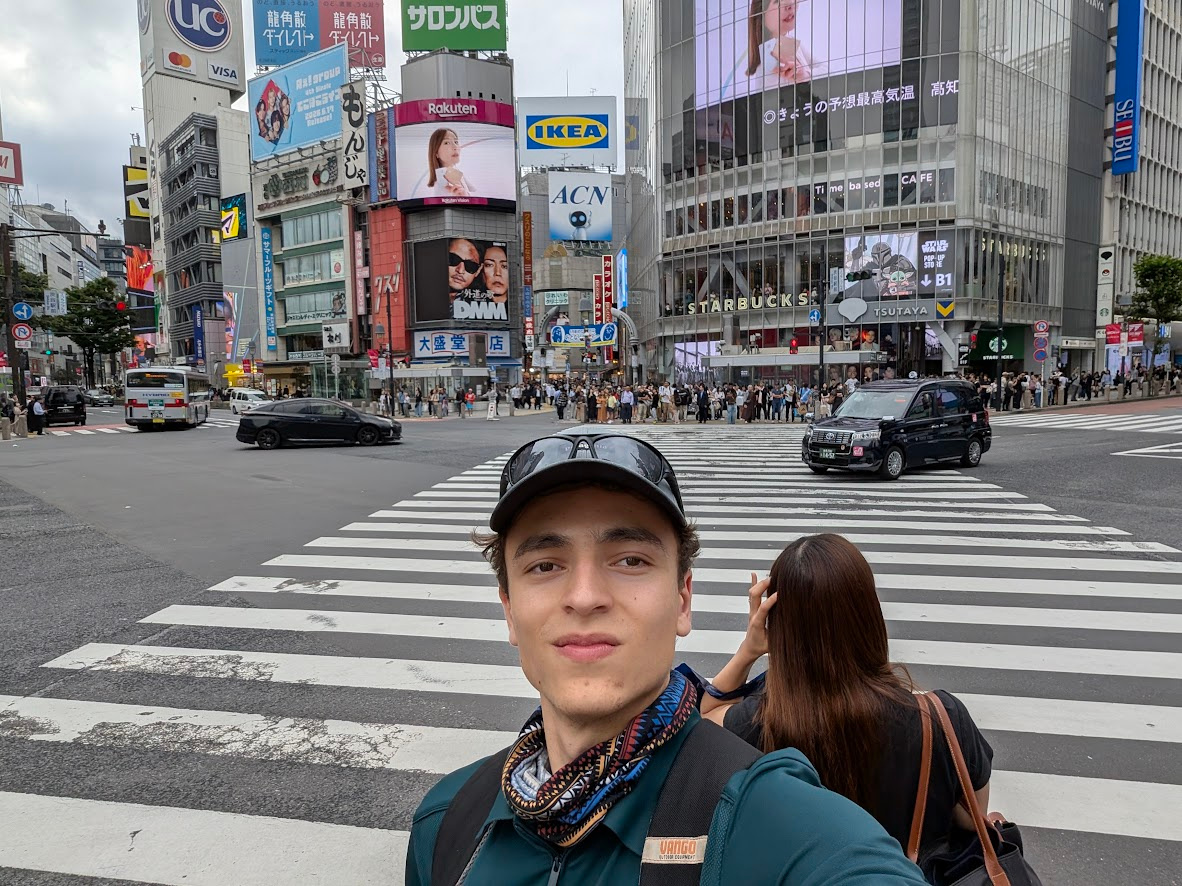
This week, I had the opportunity to do some exploring on my days off. Having not yet properly experienced Tokyo itself, I saw it as the perfect chance to visit some of the city's most famous districts.
I stepped off the train at Shinjuku Station, the busiest railway hub in the world, serving more than 3.5 million passengers each day. The only way to describe it is organised chaos. Waves of commuters flowed past as I tried to get my bearings, yet no one seemed stressed or hurried. Maybe it was the perfectly climate-controlled train carriages, or perhaps it was the confidence that came with knowing their next connection would arrive exactly on time. Whatever the reason, the efficiency and consistency of Tokyo's transport system is remarkable, particularly when you consider that it is designed to withstand the challenges posed by natural disasters.
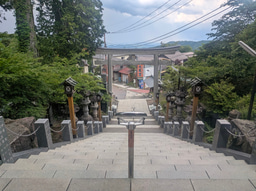
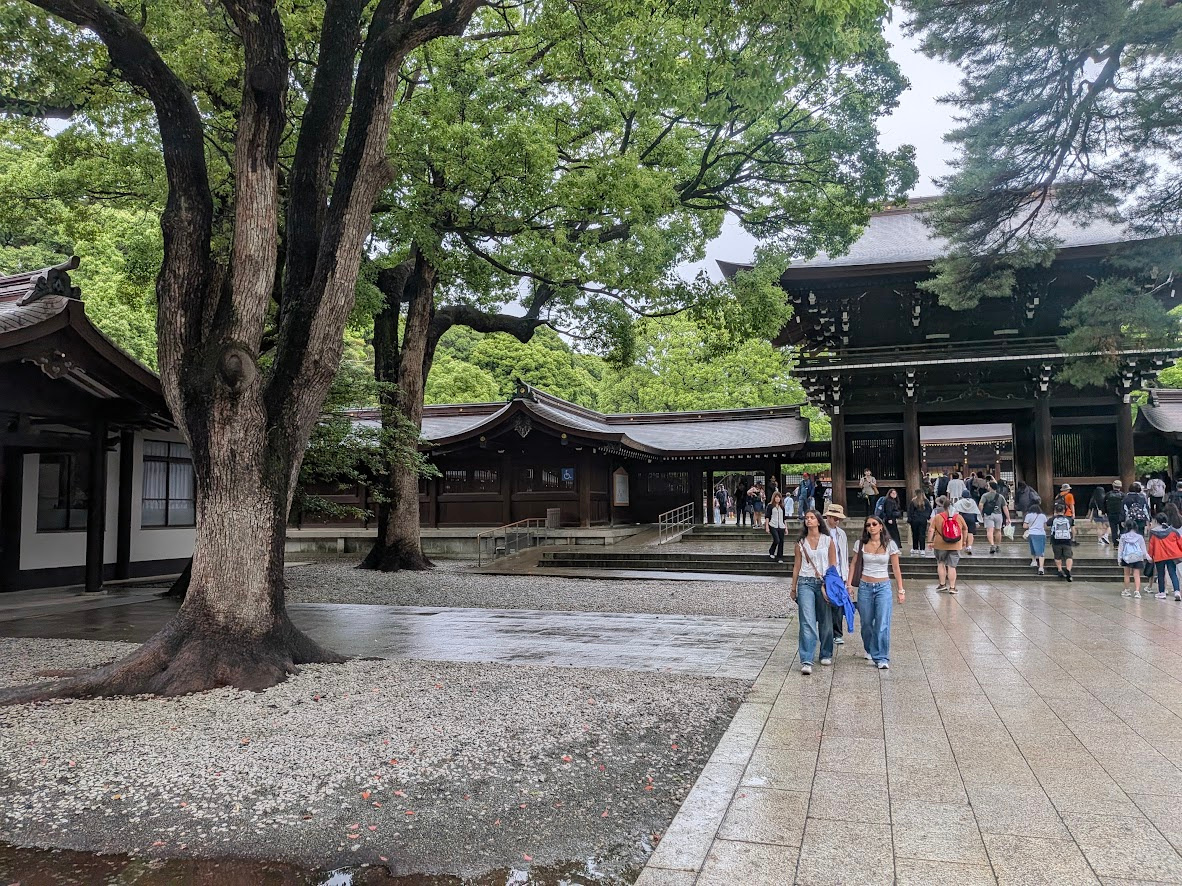
Between Shinjuku and Shibuya lies Meiji Jingu, a Shinto shrine dedicated to Emperor Meiji and Empress Shoken. Surrounded by a vast forest, it felt worlds away from the busy streets that surround it, offering a welcome refuge from the bustling city. Although relatively few Japanese people actively identify with Shinto as a religion, many still participate in Shinto rituals and traditions. For those, these practices still provide a way of connecting with nature, family, and cultural heritage. It is also common to find both Shinto and Buddhist influences within the same household, an ode to the long and intertwined history of the two traditions.
The journey home proved unexpectedly adventurous. My evening was transformed into a high-stakes game of Metro when I discovered that my phone had ran out of charge, leaving me and a paper map I found in the busiest train station in the world. Maybe that's how the cavemen did it. One unnecessary connection, a few scenic-routes, and a helpful local later, I thankfully made it back.
School Time
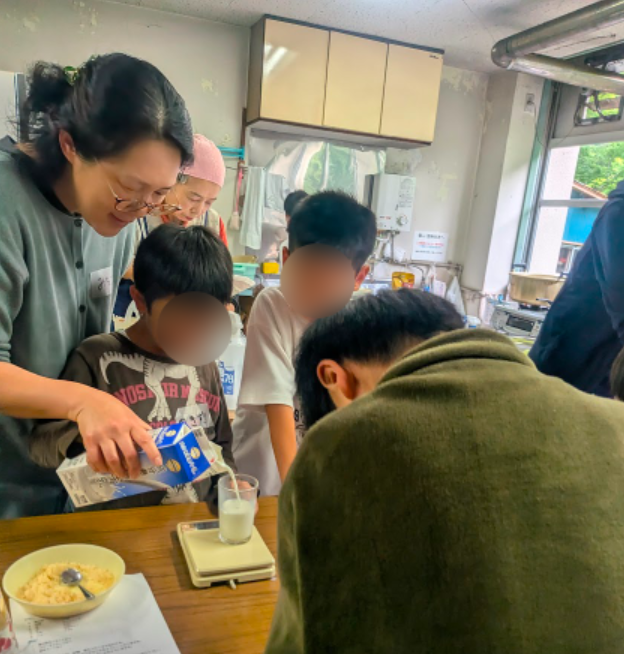
Back in Hinohara, I found myself connecting with a different group of locals to what I had expected before coming: elementary school children. My project supervisor and head of the NPO, Kawakami-san, had arranged for me to spend an afternoon helping at a local after-school club.
Dropped off shortly after lunch, I was thrown straight into the day's activities, which included making crepes and supervising playtime. At first, I was unsure how useful I could be given that my conversations with the children were largely limited to gestures, facial expressions, and the occasional Japanese phrase. However, as the afternoon went on, both the children and I became more comfortable. Some things, it turns out, transcend language. By the end of the day, children were clinging on to my legs trying to get me to stay. Suffice to say, I think the afternoon had been a success.
A House in the Hills
Part of my project involves conducting oral history interviews with local residents. To do this, I have been working alongside a group of students from the University of Tokyo, who kindly assist with translation and interpretation. This week, I recorded two interviews, one of which was with Saka-san, a very talented man and resident of Hinohara, who has learned every life skill imaginable to support his self-sufficient lifestyle. The interview was held in his home, a very remote Edo-era style house, perched high in the hills.
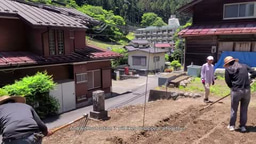
Our journey began at the base of a monorail, operated by another local resident, which provides access to homes scattered across the mountainside. With slopes reaching 43 degrees, the six-minute ride felt rather like a rollercoaster. After gaining several hundred metres in elevation, we completed the final stretch on foot through dense woodland. Along the way, fallen trees, likely casualties of a typhoon or earthquake, leaned precariously against the power lines that guided us towards the house.
Delighted to see us, Saka-san greeted our arrival with a homemade firework launcher: a simple L-shaped bamboo device. Striking a match, he launched two fireworks into the afternoon sky. Although the daylight concealed the display itself, the explosions echoed dramatically across the surrounding mountains and into the valley below. Before entering the house, he gave us a tour around the property, showing us a freshwater spring hidden beneath a centuries-old tree. Nearby, a fire was already burning, heating water for the tea we would share after the interview.
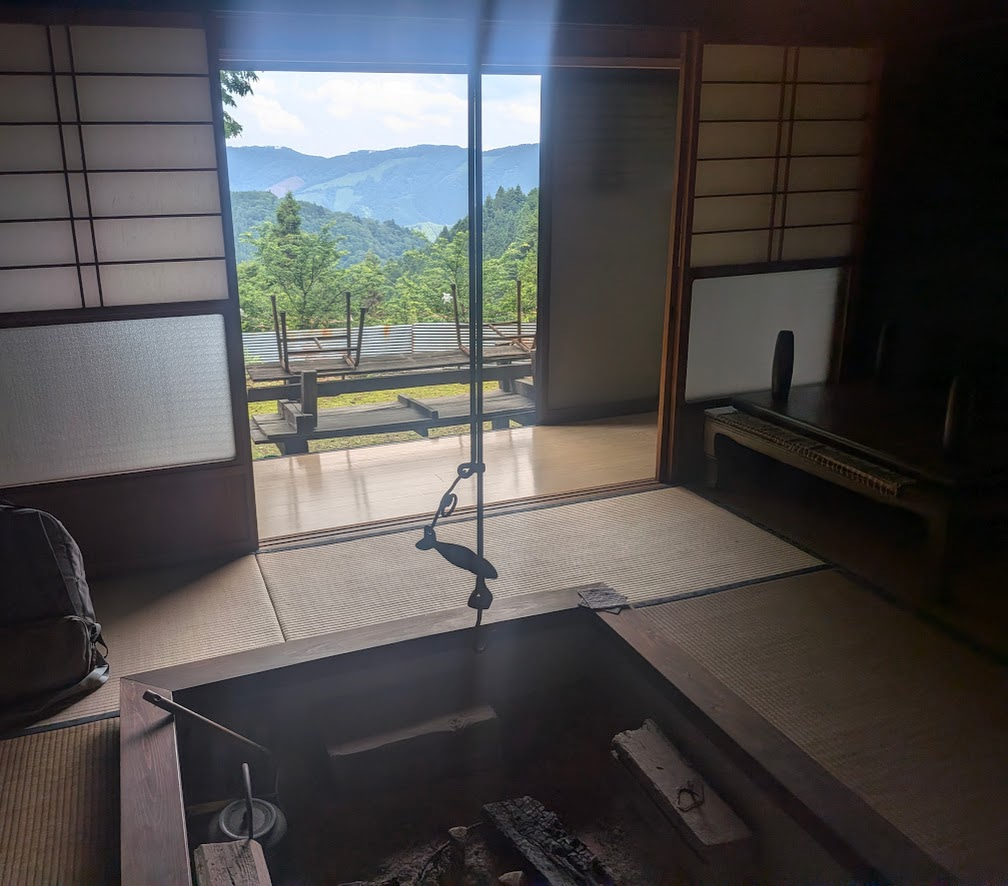
The interior was no less a relic of the past. Several tatami-covered rooms were separated by traditional paper sliding doors, while an irori hearth occupied the centre of the main room where we conducted the interview. The exterior walls had been opened to reveal sweeping views of the surrounding mountains, giving the impression that the landscape itself had become part of the room.
Saka-san's stories were every bit as captivating as the setting. His answers were rich with detail, and his enthusiasm for sharing them seemed boundless. Despite his age, he remained physically active, mentally sharp, and deeply engaged with the world around him. Sitting in a centuries-old house overlooking the mountains, listening to his experiences, it was difficult not to imagine how closely his vitality must be connected to the lifestyle he had spent decades cultivating.
A Night in the Hills
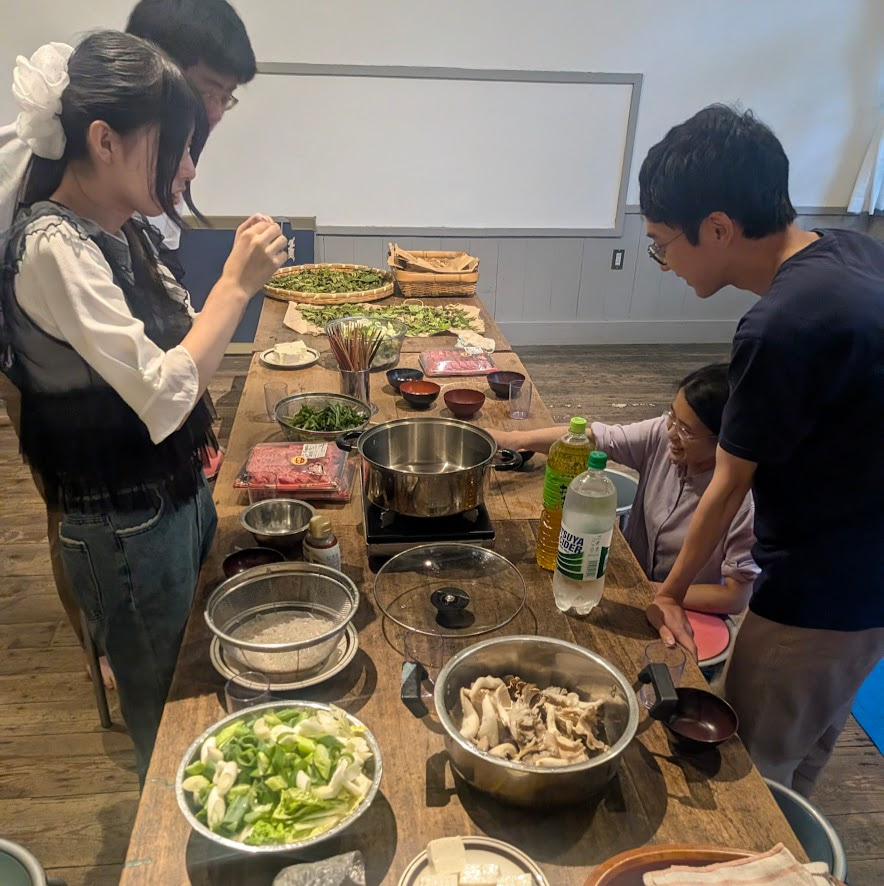
With interviews scheduled on consecutive days, I spent a night at the NPO campus in Fujikura, Hinohara alongside the students. Beyond being a great opportunity to get to know a group of exceptionally talented and interesting people, it also provided a chance to learn how to cook sukiyaki, a traditional Japanese hot pot dish.
Prepared with thinly sliced beef, tofu, vegetables, and a rich broth, sukiyaki is designed to be shared. Each person cracks a raw egg into a small bowl and dips ingredients from the hot pot into it before eating. The result was delicious: every bite was rich, savoury, and packed with umami. It was a pleasant change to my typical solo dinners -- sharing a meal provided a reminder of how powerful food is at bringing people together, across cultures.

Hello! I am an incoming third year at the University of St Andrews, studying Mathematics.
My summer 1 research focus was on applying Bayesian networks to electroencephalography (EEG) data. My research poster was presented at the 2025 Global Laidlaw Scholars Conference in Durham, where it was selected by Taylor & Francis to be published.
My summer 2 Leadership in Action project is based in Hinohara village, Japan. I am partnering with Satoyama School Tokyo to support their ongoing efforts in learning, preserving, and sharing the traditions of a "satoyama" lifestyle: an old, nature-focused way of living in mountain villages.