Before anything else, I want to thank the people who made this summer possible. Thank you to the Laidlaw Foundation and Lord Laidlaw for funding a programme that trusts undergraduates to go out into the world and find where they can be useful, and to the UCL Laidlaw team, especially Christopher Cullen, for their guidance before and during my placement.
My deepest thanks go to the New York Retina Center for welcoming a medical student from London into its clinics and operating rooms. Dr Brandon Johnson gave up far more time than he needed to, explaining not just what he was doing in surgery but why, and supporting me as I worked towards my first publications. Christian and the full-time team, Raj, Arlenny, Edwin, Bernie and Brianna, treated me as one of their own from day one. And to the volunteers and technicians I worked alongside, thank you for your patience, your stories, and for every Spanish phrase you taught me.
The New York Retina Center is a retina practice serving patients across New York City, with clinics in Manhattan and the Bronx and surgical work carried out at multiple surgical centres in Manhattan. The practice diagnoses and treats conditions of the retina and vitreous, including diabetic retinopathy, age-related macular degeneration, retinal detachments, alongside surgical procedures such as vitrectomy and cataract surgery.
What struck me most was how different its two clinics felt. The Manhattan clinic, being in the more metropolitan portion of the city, had a mainly English speaking population, and whereas, the Bronx clinic serves a predominantly Spanish-speaking community, in a borough with the highest rates of glaucoma not only in the city, but in the country. Seeing both in the same week showed me how much access to specialist eye care depends on where you live and what language you speak.
I went into my placement with three goals:
- To serve, as is stipulated by the Leadership in Action goals. I wanted to bring what medical knowledge and time I had to patients and to a team that was always stretched.
- To learn how the US system works. Coming from the UK, where the NHS is public, and as I had only observed at large scale hospitals, I wanted to learn about the US health insurance process, how patients move through a specialist practice, how surgery is organised, and how care differs across communities in the same city.
- To test my commitment to ophthalmology. Ophthalmology has always been my top specialty of choice, and I wanted to find out whether six weeks of real clinical contact would strengthen my interest or erode it.
By the end of the summer, one goal had grown that I had not planned for at all: learning enough Spanish to care for my patients in their own language.
I volunteered with the New York Retina Center for six weeks, from mid August to the end of September. My week was split across three very different settings:
|
Day |
Setting |
What I did |
|
Monday & Thursday |
Manhattan clinic |
Brought patients through from the waiting room, took histories, ran visual acuity and pre-imaging checks (e.g. IOP, autorefraction), assisted with scans (e.g. OCTs, B-scans, topography), dilations, and injections, and shadowed the doctor in examinations. |
|
Tuesday |
Operating room (two surgical centres in Manhattan) |
Observed vitrectomies and cataract surgery; supported the theatre team in small practical ways. |
|
Wednesday & Friday |
Bronx clinic |
Same clinic duties as the Manhattan clinic. |
This rhythm meant I rarely had two identical days in a row. It also meant I saw the same practice through three lenses: as a busy city clinic, as a surgical service, and as a community clinic.
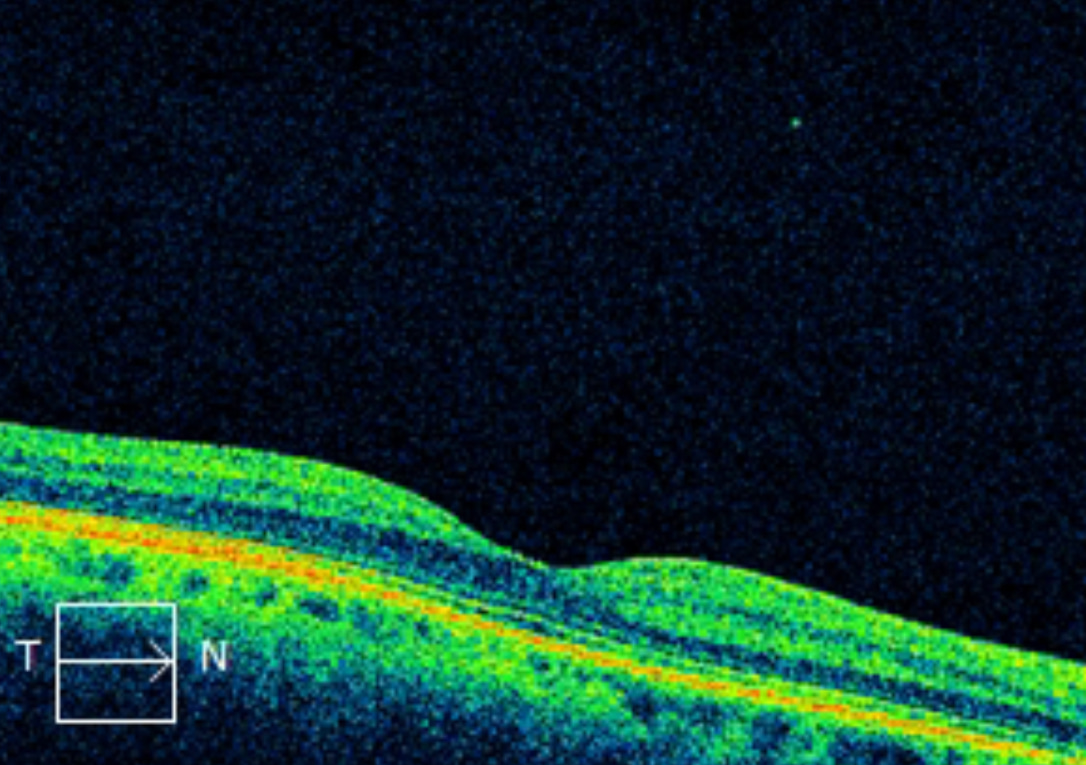
I remember my first day at the Manhattan clinic more clearly than almost any day of medical school so far. Within the first hour I was calling a patient's name, walking them through to a room and actually talking to them, asking how their vision had been, what had changed, what worried them.
It sounds small, but it was definitely not small to me. After years of learning about the eye as diagrams and exam questions, here were people whose lives were shaped by it. I remember very vividly seeing a patient that had come in post cataract surgery, and seeing the jubilation she felt that she was able to see absolutely perfectly again was so impactful to me, and only turned my interest in ophthalmology into certainty.
Over the following weeks, the clinic taught me how much of good care is invisible. It lives in how you explain a dilating drop before it stings, in noticing an anxious patient before they say anything, and in how a team keeps a packed schedule running without anyone feeling rushed. I specifically remember one patient who only spoke Cantonese, my mother tongue - I was thus able to direct him in Cantonese, chat to him about his life, and explain what each action I was performing was for, and the relief in his eyes made me realise just how important a doctor’s kindness and patience is to patients.
Tuesdays were spent in theatre at two surgical centres in Manhattan, observing vitrectomies and cataract surgery. They quickly became the day I looked forward to most.
Dr Johnson made a point of teaching me every single intricacy of an operation. He would explain the physics behind his decisions, like why a capsulorhexis is made the way it is, how forces and tissue behaviour shape each step, and how the gas choices for a tamponade differed between a macular hole and a milder form of retinal detachment. As someone studying mathematics alongside medicine, hearing surgery explained in terms of physics and mechanics was a revelation, and showed me that ophthalmology rewards exactly the kind of quantitative thinking I love.
I also found real joy in being useful, even in the smallest ways, even just turning the lights on and off at the right moment or lifting the patient’s bed up. From that position, I could see how a surgery really works. It is not one surgeon performing alone. It is the scrub tech anticipating each instrument the doctor needed, the nurse tracking the patient and the room, and the anaesthesiologist keeping the patient safe and comfortable. Each person leads their own part, and the operation only works because they trust each other to do so.
That was one of my clearest lessons in leadership. Yes, the surgeon is the most visible leader in the room, but the best surgeons are the ones that make everyone else's job easier, through clear communication, remaining calm under pressure, and having respect for every role.
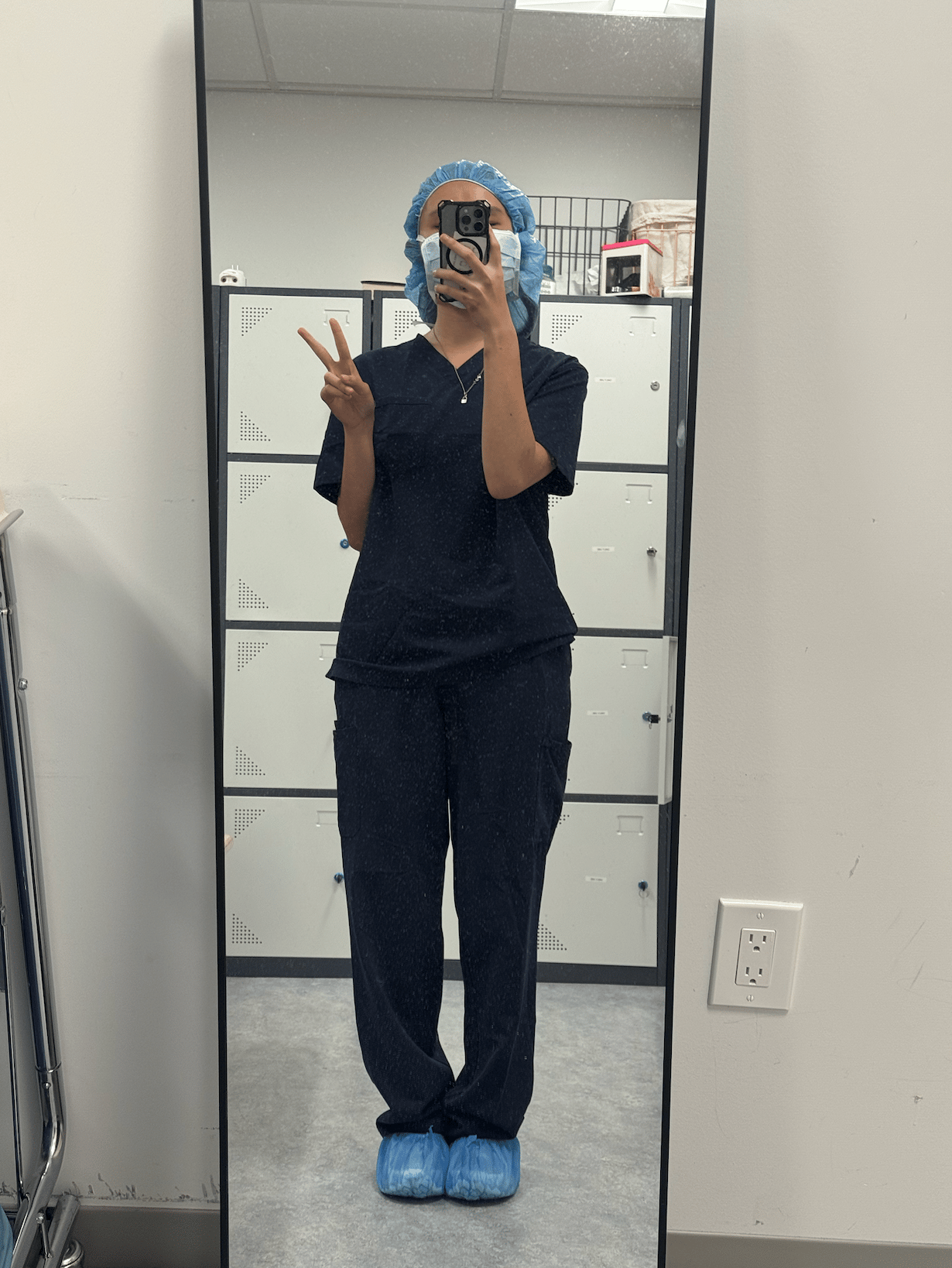
On my first Wednesday at the Bronx clinic, I realised how far behind my Spanish was, having only spent one brief year in Year 9 learning it. Most of our patients spoke Spanish as their first language, and I kept having to turn to my Spanish-speaking colleagues to help with even simple instructions. I felt like I was slowing everyone down, and worse, that patients could not speak directly to the person in front of them.
So I set myself a goal. I would listen closely to how my colleagues spoke to patients, so, not textbook Spanish, but the real colloquial phrases that worked in a clinic, and write them down. I kept a running list: how to ask someone to look up, down, left and right, how to say "follow me", how to explain that the drops might blur their vision, and how to warn them that the drops I was giving them might hurt “just a bit”. I practised them between patients and on the subway home.
By the final week, I could direct all of my Spanish-speaking patients through their appointment myself: telling them where to look, asking them to follow me, and even striking up small conversations about their families and their day. My Spanish is still far from fluent, but the change in how patients responded to me was enormous. My goal for the next few years before I apply to become an ophthalmologist is to truly become fluent in Spanish, because I’ve realised that communication is not just a soft extra in medicine, but a part of the care itself. A patient who cannot understand their clinician cannot fully take part in their own treatment, and learning even a little of someone's language is a way of telling them they belong in the room.
Outside of the medical work, though, I also had an amazing experience - in fact, some of the most important things I learned came not from patients or surgery, but from the people I worked alongside. I became close friends with the four full-time staff and many of the part-time volunteers, and over lunches and quiet moments between patients, I was able to find out more about their stories into healthcare.
Some were career-changers, from the army, or even software engineering, preparing for medical school after years in completely different fields. Some were nurses gaining extra clinical experience. Others had worked as ophthalmic technicians for a decade, and knew more about running a retina clinic than any textbook I have read. It was incredibly eye-opening to see, coming from the UK, where most people who are in healthcare have aspired to it their entire life.
Outside work, I explored as much of New York as I could. As someone who reviews London restaurants in my spare time, I naturally explored through food, and Queens became my favourite borough. I went on a momo crawl through Jackson Heights and a Chinese food crawl through Flushing, and in both places I found communities that had built whole worlds within the city.
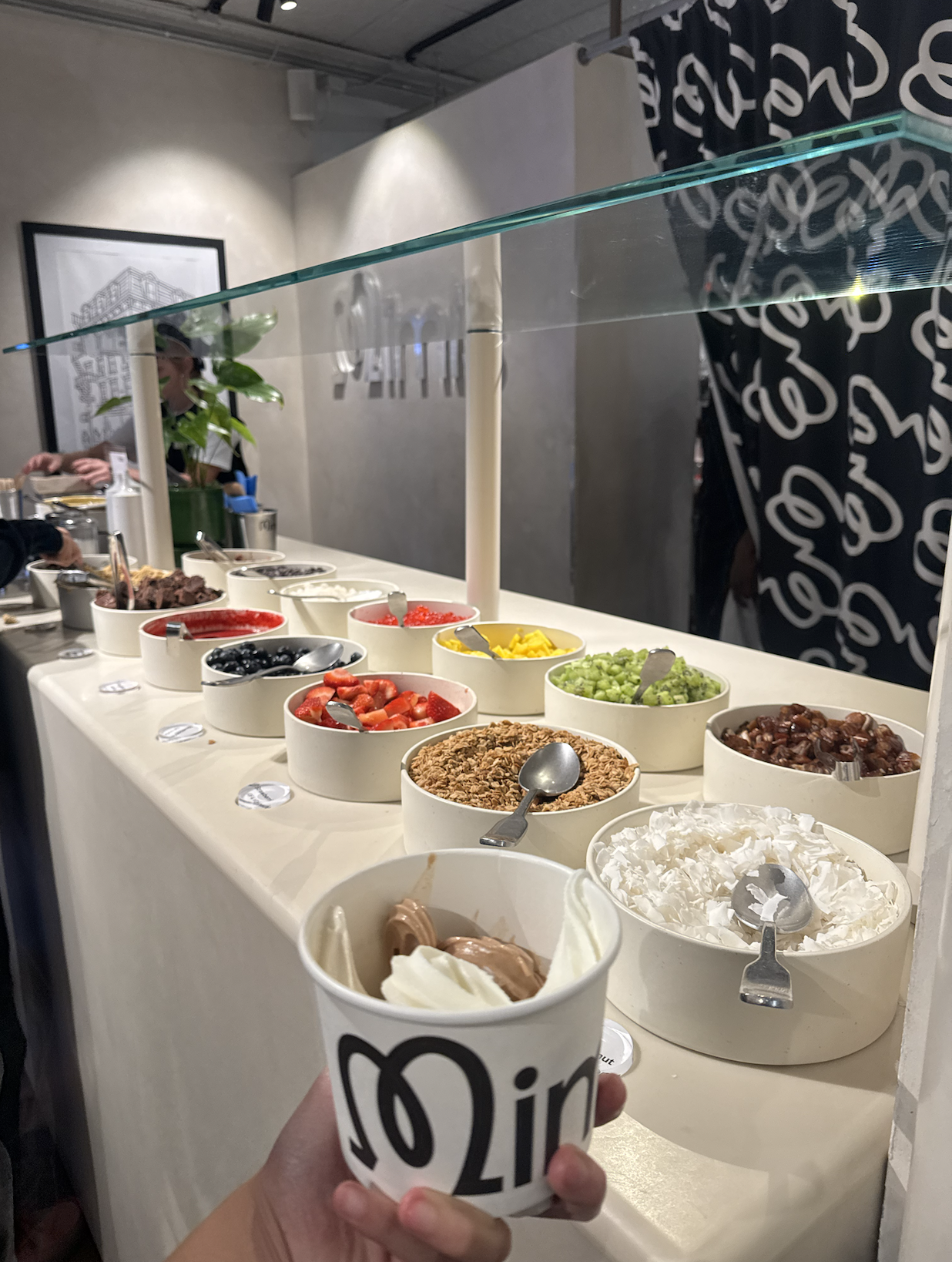
Having grown up in Hong Kong and moved to London, I felt at home in that diversity, but it also connected back to my work. With diversity and all of these vibrant communities comes great culture, but also very different levels of access to healthcare, and it truly showed me how language and geography shape who receives care, and how easily.
I’m currently writing this back at home in London, and it is bittersweet. These past six weeks not only gave me my first sustained experience of caring for patients, a window into ophthalmic surgery, but also, a working grasp of medical Spanish, and a community of colleagues I now count as friends.
Most of all, it confirmed what I had hoped: ophthalmology is where I belong. I leave with a clearer picture of the doctor I want to become, and I know I will be back in New York soon, and I hope to return to the clinic that made this summer what it was.
Hi! I'm a medical student at UCL! My current research is on motivation and language learning - so, how we can motivate children to learn languages better!