


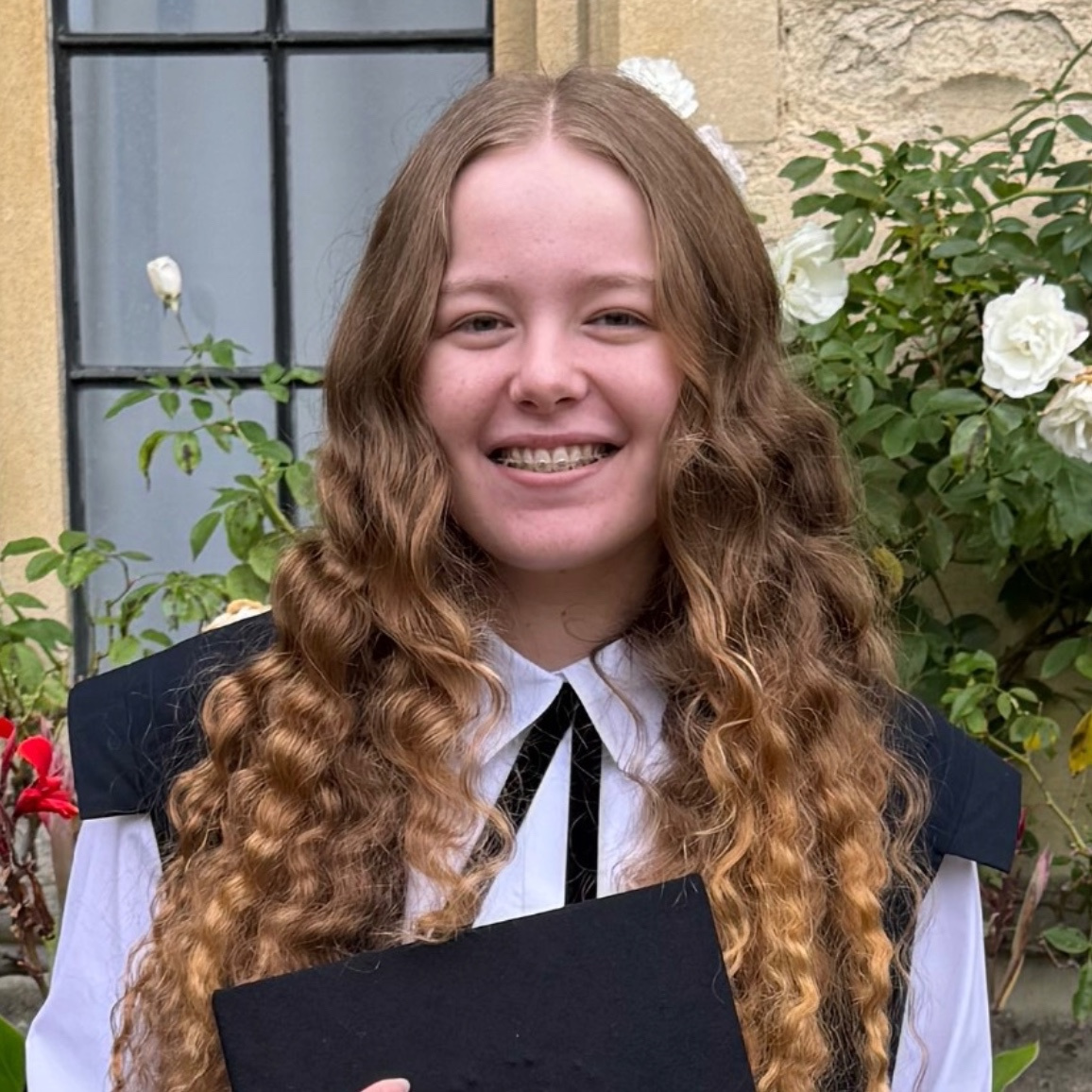


Our research summer began over the past week, with my group’s research project focused on evaluating teamwork, adapting, belonging, and school engagement in primary education, through the participation in curricular enrichment programmes. We will be analysing data from two parallel year 6 pilots in Oxford and Sunderland; the data, which has already been collected, will be used to investigate how pupil background characteristics (e.g. gender, disadvantage, English as an Additional Language) relate to developmental outcomes.

Any initial ambiguities we had regarding the research project had been cleared up after a meeting we had with our supervisor, Kristen McCollum, and another group who is also working on the same schools, albeit from a policy-making angle. I find the educational lens in the project really interesting, and I am eager to know how various characteristics influence developmental outcomes differently.
We have been suggested to use Stata / R / Python for our data analysis, which I’m quite excited about, especially since I’ve never used Stata or R before. I’ve only dabbled in Python briefly and am looking forward to polishing up my coding skills.
After the iSkills training workshops, I’m happy to say that I’ve now placed Excel and NVivo skills in my repertoire (though I’ve still got much to learn!). Anjali Sakar from the Oxford Character Project also came to speak to us on Friday, touching upon the underrated qualities of a leader – integrity, drive, purpose, and the ability to take on new perspectives.
Our week concluded with a presentation of our research proposals to Ben. It was a great opportunity to gain feedback on our objectives, plans, and research strategies. Our group left the lab imbued with newfound confidence!
Speaking of groups, I am incredibly grateful for my teammates (you guys are wonderful!), and I really appreciate how the Laidlaw Scholars Programme is not limited to students studying specific subjects. Everyone brings something different to the table, and I’m glad for the opportunity to collaborate with other scholars.
Excited to see where the project will take us!

Please sign in
If you are a registered user on Laidlaw Scholars Network, please sign in
Kelly, this is a thoughtful reflection that captures both your enthusiasm for the project and your appreciation for the collaborative nature of the Laidlaw programme. I particularly enjoyed reading about your excitement for exploring new analytical tools and methodologies, as well as your willingness to step outside your comfort zone and develop new technical skills.
It is also encouraging to see that the early uncertainties surrounding the project became clearer through conversations with Kristen and the wider research team. One of the key challenges in research is moving from a broad area of interest to a focused set of research questions, and it sounds like your group has made strong progress in this regard.
Your curiosity about how different pupil characteristics may influence developmental outcomes is especially well aligned with the aims of Brief 5. As you move into the analysis phase, I would encourage you to explore these questions through the lens of the project's core themes: teamwork, adapting, school engagement, belonging and wellbeing. The opportunity to examine variation across different pupil groups, compare pupil and teacher perspectives, and consider differences between the Oxford and Sunderland pilots is where some of the most interesting insights may emerge.
While learning new software and analytical techniques is an important part of the experience, remember that these are tools to help answer the bigger educational questions at the heart of the brief. The strongest research will connect the quantitative findings back to broader discussions around enrichment, educational inequality, pupil development, and how we define success in education beyond academic attainment alone.
I was also pleased to read your reflections on the value of working within an interdisciplinary team. Diverse perspectives often lead to stronger research, particularly on complex educational questions such as those explored in this project.
You've made an excellent start and convey a genuine enthusiasm for both the research and the learning journey ahead. I look forward to seeing how your growing analytical skills help uncover evidence that can contribute meaningfully to our understanding of enrichment and pupil development. Keep up the great work!