 Summary
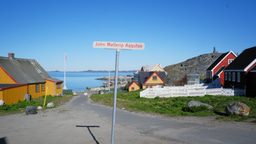
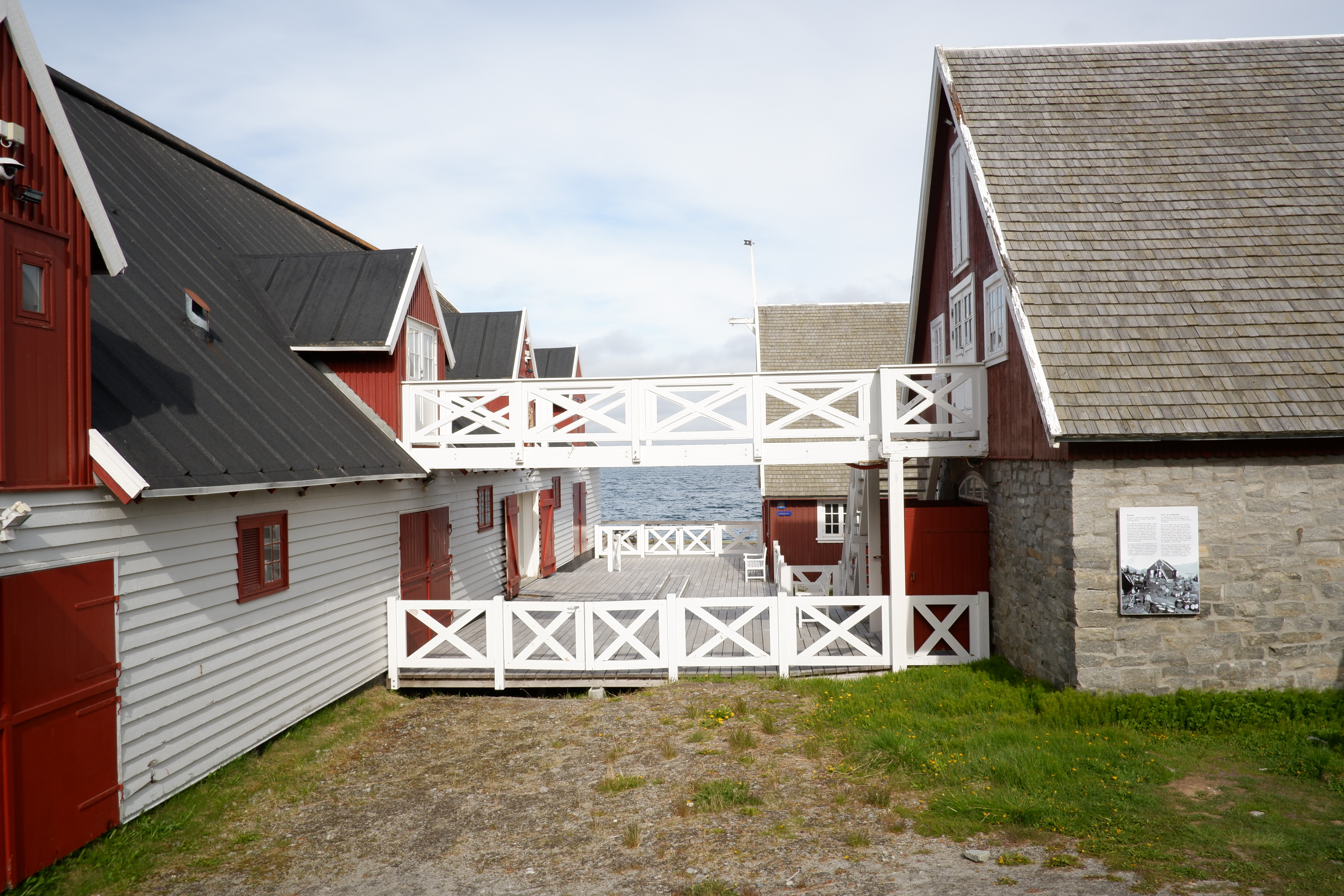
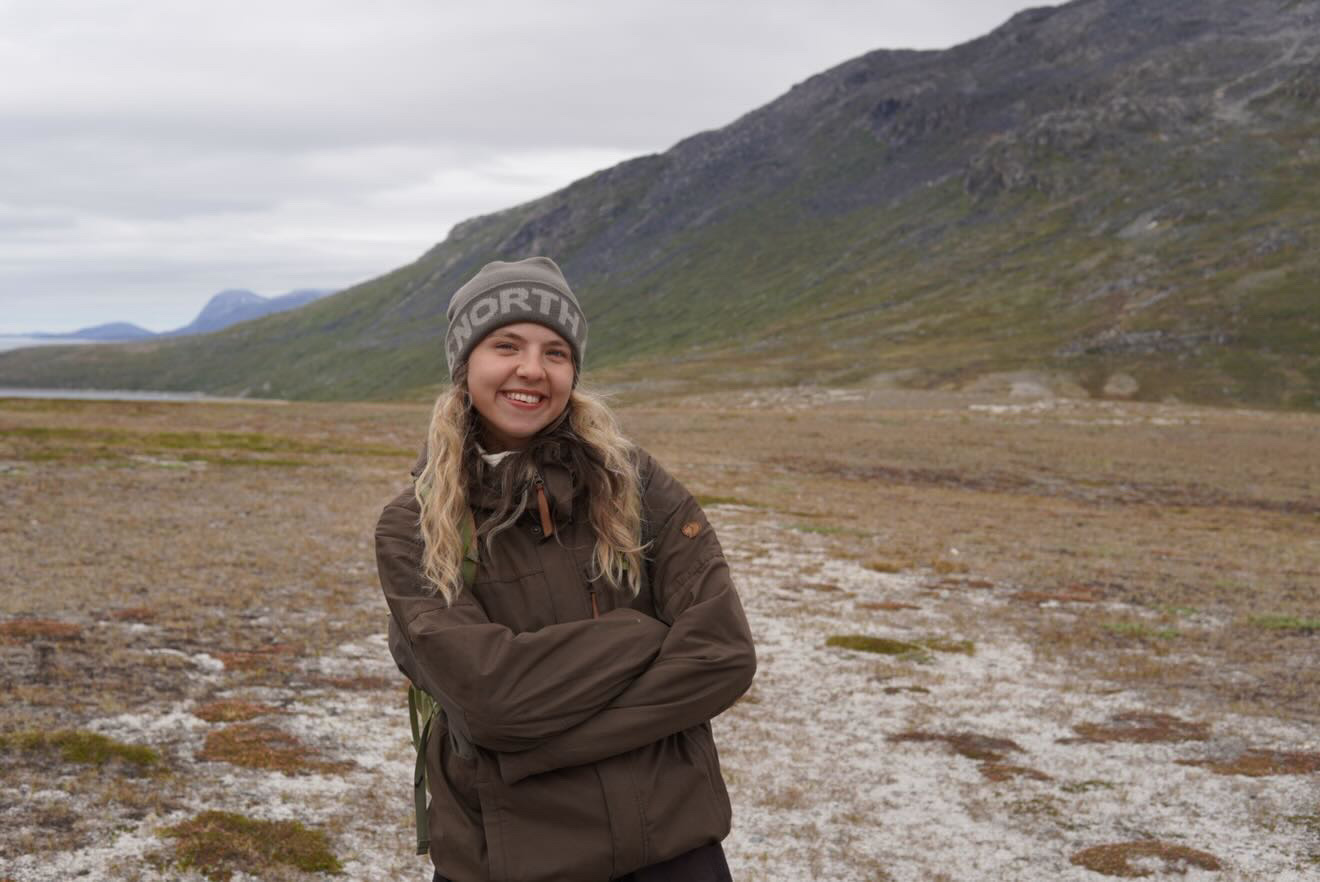
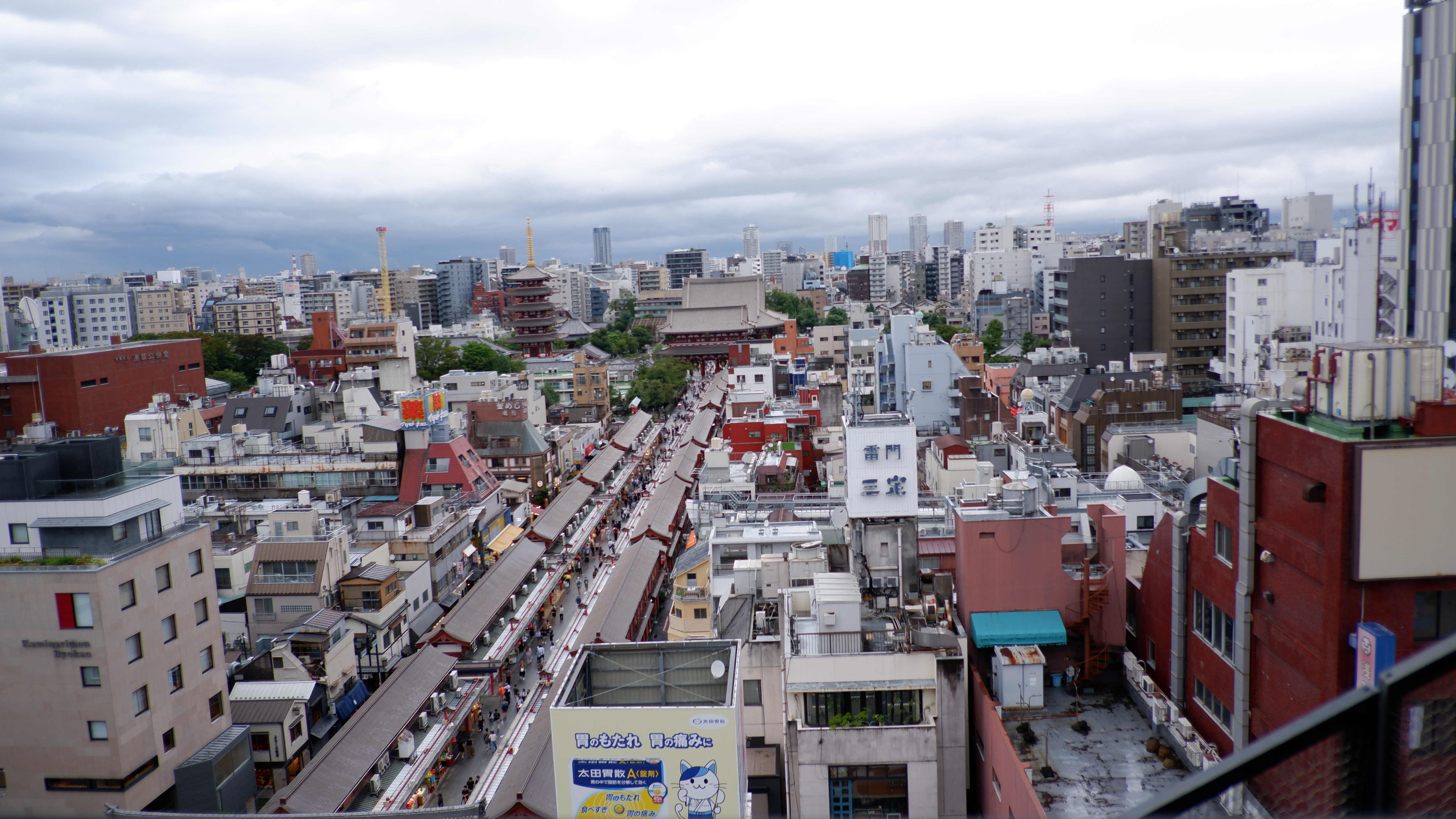
This report evaluates my two distinct three-week Leadership in Action (LiA) placements undertaken during the Laidlaw Scholarship. The first phase took place in Nuuk, Greenland, collaborating with the municipal planning department (Kommuneqarfik Sermersooq) to assess the infrastructural, environmental, and socio-economic trade-offs of integrating a high-baseload data centre into an Arctic urban environment. The study evaluated the feasibility of localised urban symbiosis, specifically harvesting server waste heat to power an Arctic greenhouse to enhance food security, and using fjord water to naturally cool. The second phase took place in Tokyo, Japan, working with the non-profit organization YouMeWe to design and facilitate educational and employability workshops for care-experienced teenagers preparing for independent life at age 18. Together, these placements illustrate how spatial, technical, and institutional frameworks can be designed to support equity and community resilience.
Part 1: Nuuk, Greenland — Data Centre Feasibility & Arctic Spatial Integration
1. Context
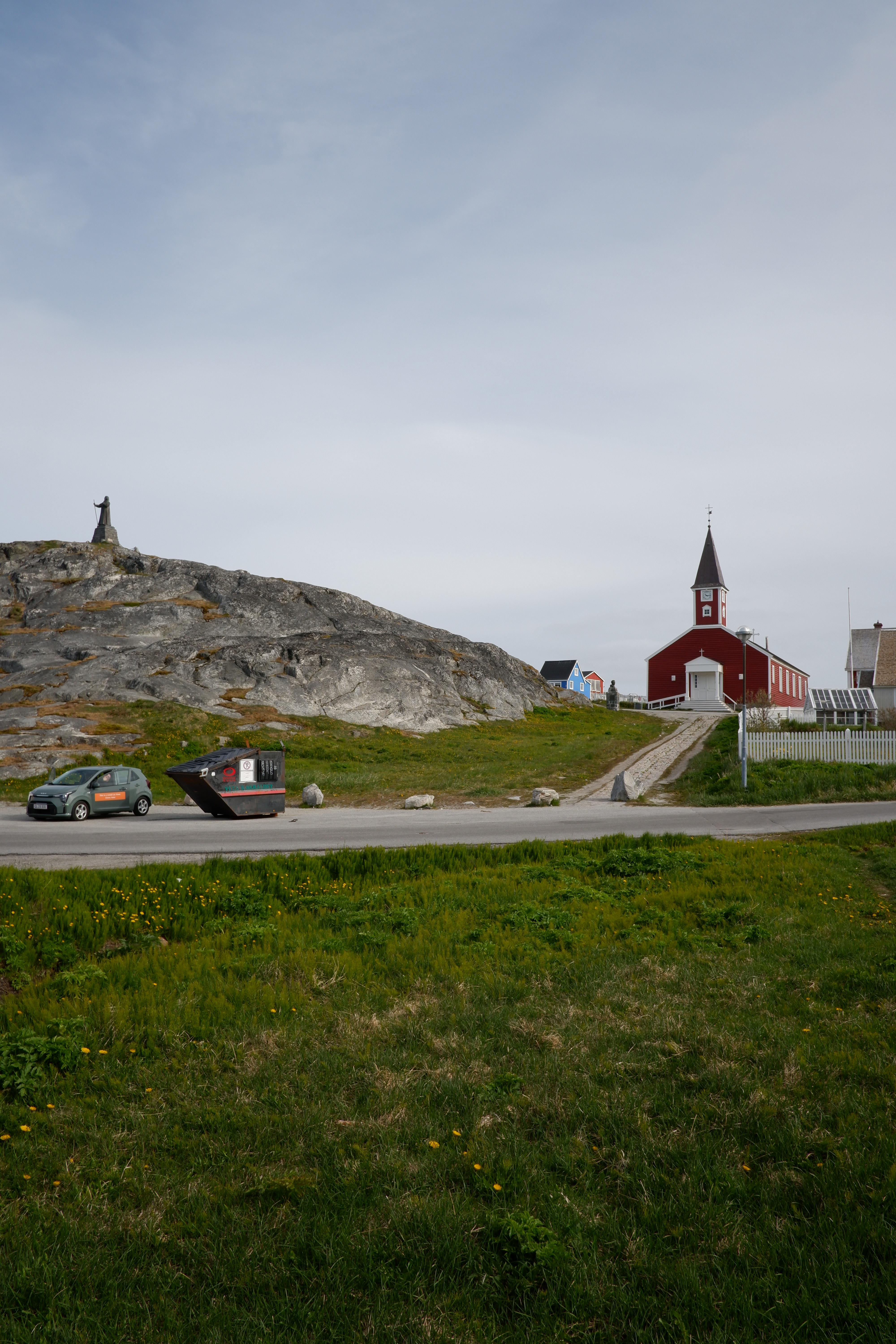
Nuuk, the capital of Greenland, is experiencing rapid urban development while confronting severe climate pressures, particularly permafrost thaw and fluctuating sub-polar weather patterns. As global demand for digital infrastructure grows, Arctic regions are increasingly viewed as attractive locations for data centres due to low ambient temperatures, which reduce conventional cooling costs. However, introducing heavy digital infrastructure into a small, ecologically sensitive Arctic municipality presents complex planning challenges.
2. Infrastructure Assessment & The Data Centre Trade-Offs
Working within the municipal government planning department, the research focused on evaluating whether an Arctic data centre could yield positive local impacts rather than functioning as an isolated, resource-extractive utility.
-
Energy Demand vs. Local Grid Capacity: Data centres require reliable, continuous baseload power. In Nuuk, where energy systems rely on specific hydroelectric capacities alongside fossil-fuel back-ups, allocating significant power to a digital facility risks straining the local grid or forcing a reliance on non-renewable energy during peak periods.
-
Spatial and Environmental Siting: Construction on Arctic terrain affected by permafrost degradation requires non-standard foundation strategies to prevent thermal transfer from buildings into the ground, which can cause ground subsidence and structural failure.
-
Local Employment Realities: Modern data centres are highly automated once operational. Consequently, while construction provides short-term economic activity, long-term direct local employment is limited.
3. Urban Symbiosis: The Arctic Greenhouse Proposal
To address the imbalance between high resource consumption and low direct employment, the planning assessment explored mechanisms for circular energy use. Data centres produce vast quantities of low-grade waste heat through server cooling systems.
By coupling the data centre’s thermal exhaust with a controlled-environment agricultural facility (an Arctic greenhouse), the municipality could capture waste heat to grow fresh produce locally. Nuuk relies heavily on expensive, carbon-intensive air and sea freight for fresh fruits and vegetables. Utilising industrial waste heat for local agriculture transforms a byproduct into a public utility, lowering food costs, improving nutritional access, and integrating digital infrastructure into the local socio-economic ecosystem.
Part 2: Tokyo, Japan — Youth Empowerment and Social Infrastructure with YouMeWe
1. Institutional Framework and Social Context
Upon turning 18, teenagers in Japan’s alternative care system face a strict transition out of institutional residential homes. Unlike peers who receive ongoing family support, care-leavers are suddenly expected to achieve complete financial, operational, and personal independence. This sudden end to state care creates a structural vulnerability, significantly reducing the likelihood of these young people pursuing higher education or securing stable employment.
2. Workshop Design and Practical Interventions
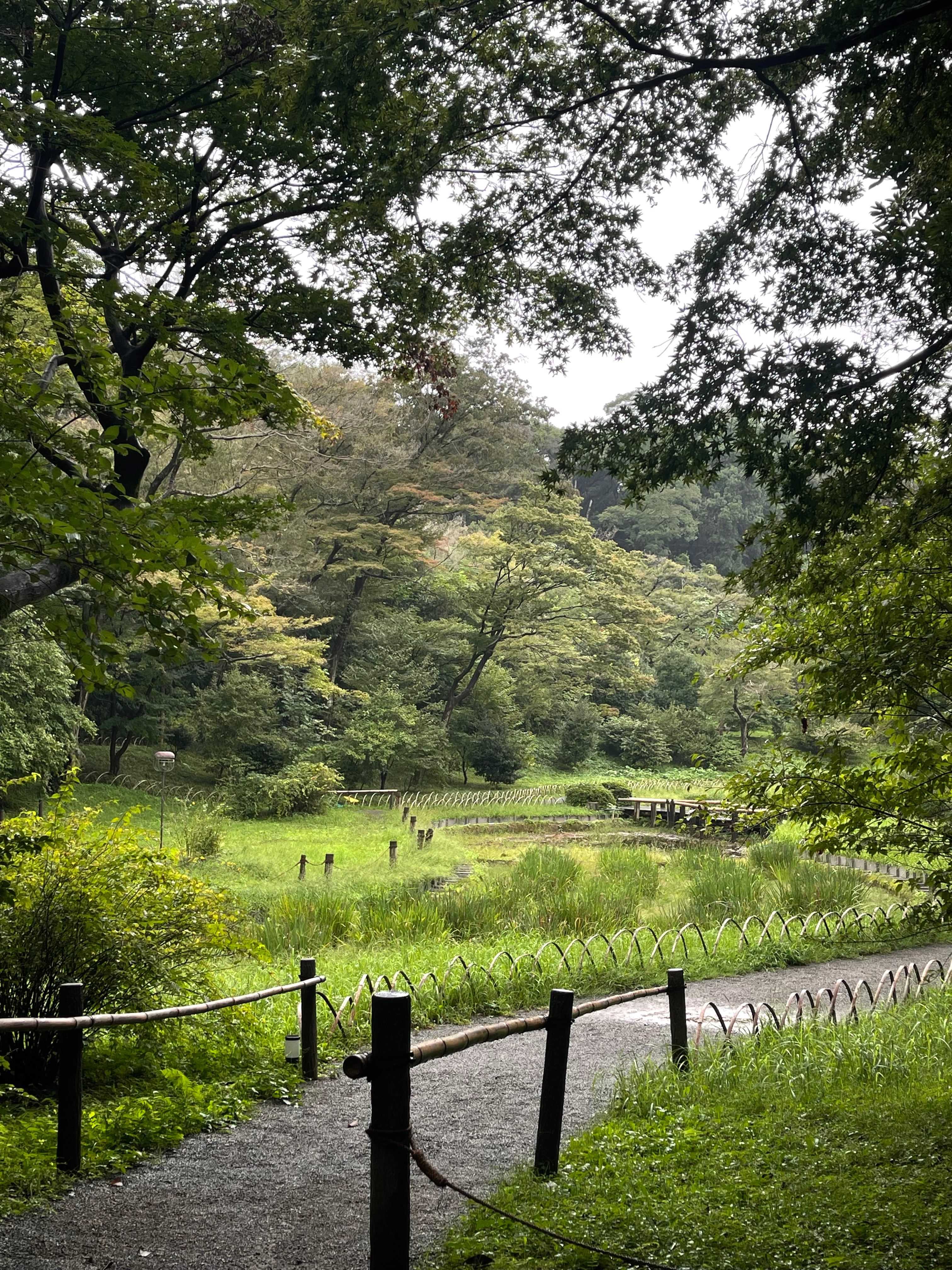
Working directly with the charity YouMeWe over three weeks in Tokyo, the placement focused on developing and delivering structured workshop series for mid-teen residents in care homes. The sessions focused on equipping participants with practical tools for life post-18:
-
Digital Literacy & Workplace Skills: Hands-on training in core office applications, digital communication tools, and document formatting required for modern workplace environments.
-
Higher Education Pathways: Navigating university entry requirements, exploring vocational training routes, and applying for independent bursaries and scholarships.
3. Methodological and Relational Strategy
Because care-experienced youth often experience high turnover in support staff and volunteers, building rapport required consistency, active listening, and structured delivery. The workshops avoided top-down instruction in favour of collaborative exercises, allowing participants to work through real-world scenarios at their own pace and build confidence in their capabilities.
Part 3: Comparative Synthesis — Connecting Spatial and Social Systems
| Dimension | Nuuk, Greenland | Tokyo, Japan |
|---|---|---|
| Primary Domain |
Municipal Planning & Energy Infrastructure |
Non-Profit Social Welfare & Youth Mentorship |
| Analytical Lens |
Spatial mapping, energy balance, environmental impact |
Pedagogical design, relational trust, youth employability |
| Structural Challenge |
Resource extraction & food security in sub-polar urbanism |
Systems failure for orphan children turning 18. |
| Proposed Mechanism | Industrial symbiosis (waste-heat greenhouse) | Skill development, digital access, and mentorship networks |
Both placements underlined a shared reality: whether designing physical energy networks in Greenland or social support programs in Japan, systems fail when they are planned without direct engagement with the people who inhabit them. True sustainability requires integrating technical execution with genuine community benefit.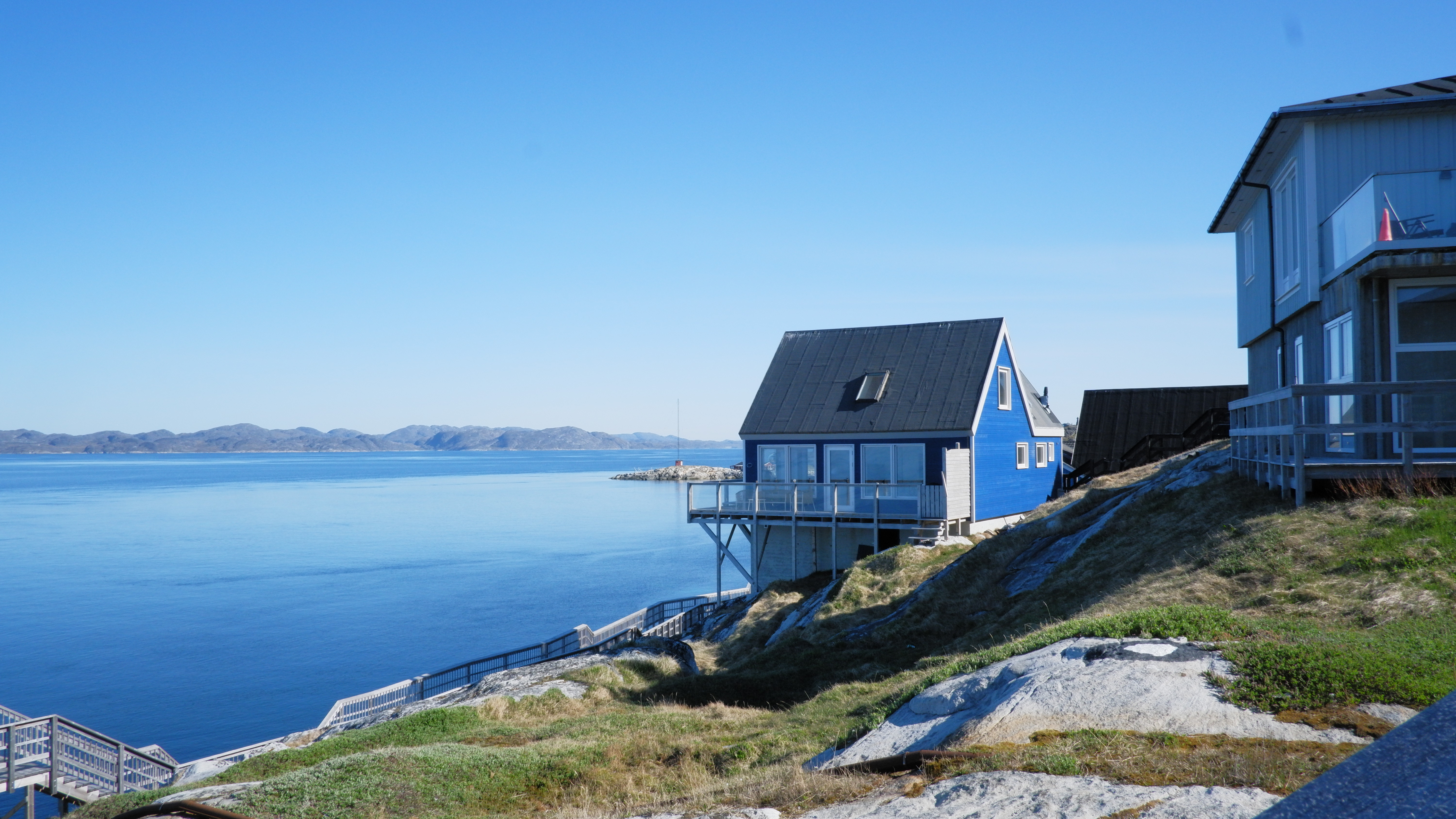
Strategic Recommendations
-
For Arctic Municipalities: Future digital infrastructure proposals must mandate localised waste-heat capture (such as urban agriculture or district heating) as a condition of planning permission, ensuring local energy use is matched by local social returns.
-
For Youth Care Institutions: Employability programs for care-leavers should start early in mid-adolescence, integrating digital skills with direct workplace networks to smooth the transition out of care at 18.