Introduction
I spent this summer moving between two completely different operational environments. First, I was in Nuuk, Greenland, working with the municipal government planning department on whether an Arctic data centre could genuinely serve the local community. Then, I travelled to Tokyo to work with YouMeWe, running workshops for care-experienced teenagers preparing to step out of institutional care at age 18.
Going straight from thermal-modelling calculations and planning policies into mentoring teenagers on digital skills and university applications was a real transition. Now holding those two experiences side by side completely reshaped my understanding of what ethical leadership looks like in practice.
Capacities: Learning Two Completely Different Languages
The biggest learning curve of my Leadership in Action project was adapting my communication fast.
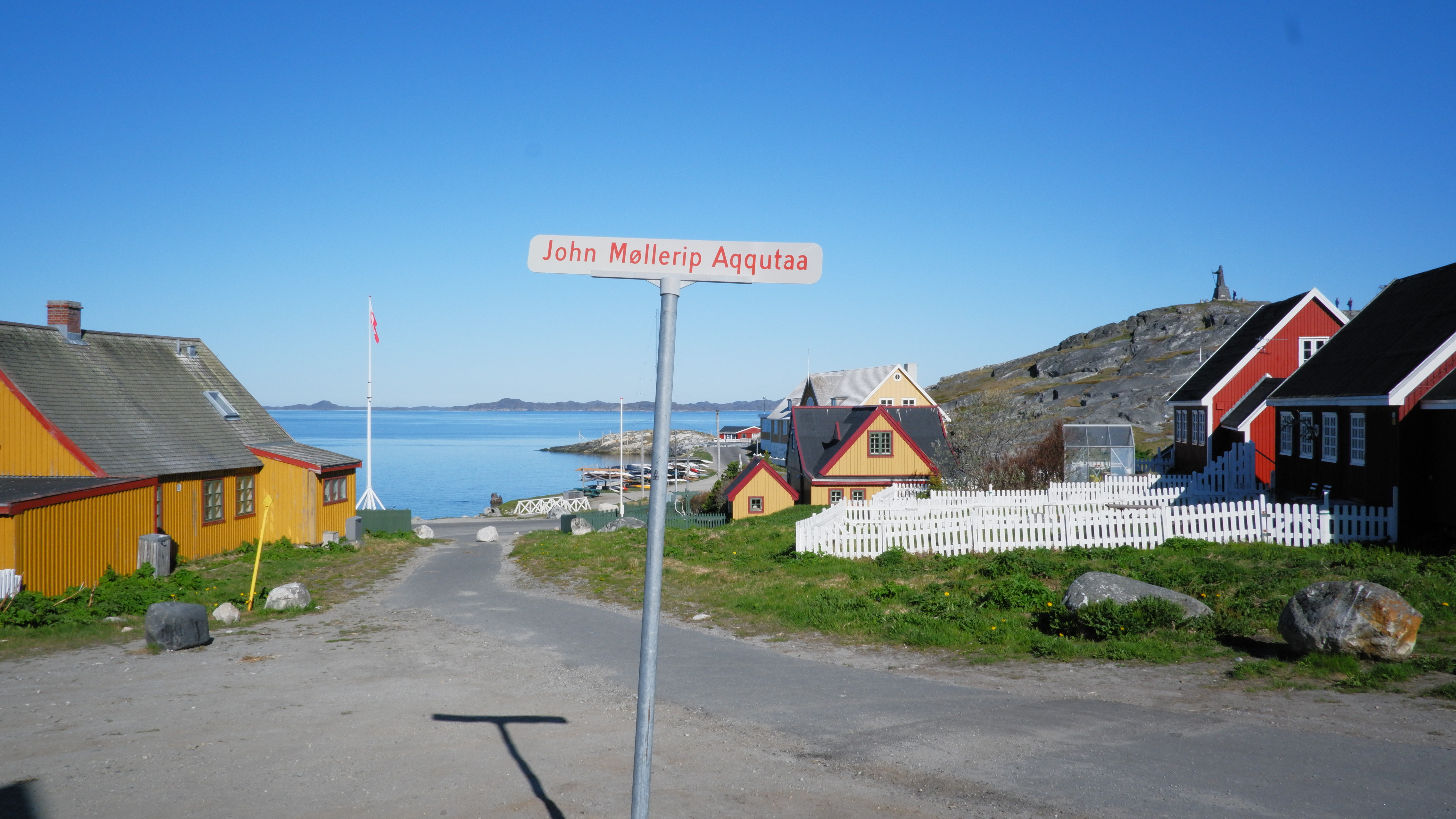
In Nuuk, I was dropped into high-level municipal planning discussions concerning data infrastructure, baseload power, and permafrost stability. It would have been easy to evaluate the data centre as an isolated industrial building. Instead, my focus was finding ways it could actually serve the town—specifically looking at harvesting server waste heat to power an Arctic greenhouse and reduce Nuuk’s heavy reliance on imported food. Alongside this, I ensured to do extensive research into the colonial history of Greenland, to have a better understanding of the current sitaution.
In Tokyo, that analytical, technical register meant nothing if I couldn't connect with the young people in the room. At YouMeWe, we were working with teenagers who face a massive cliff-edge when they turn 18 and step out of the care system. My job was helping design and run workshops on navigating higher education options and creating a video to ensure the charity's message could have a larger outreach globally. I had to ditch formal academic language, listen attentively, and make every session practical, approachable, and directly useful for their lives.
Character: Choosing Honesty Over Easy Answers
In Greenland, the temptation with a major infrastructure project like a data centre is to highlight the economic benefits and gloss over the awkward details. But early on, I decided that good planning doesn't hide the trade-offs. I made sure our planning evaluation was completely transparent about the pressure on local hydroelectric grids and the reality of long-term job creation, alongside potential community gains like agricultural heat reuse.
In Tokyo, character was about humility, consistency, and showing up with patience. Working with care-experienced youth means you don't show up pretending to have all the answers or making grand promises. It meant being reliable, listening carefully, and building genuine trust over those three weeks so the teenagers felt backed and confident in taking ownership of their own futures.
Context & Global Mindset: Learning to Listen First
My background in architecture and my previous Laidlaw research on spatial healing in Beirut taught me that physical and social environments are deeply connected. But this summer expanded my understanding of what a "global mindset" actually requires.
I used to think a global mindset was mostly about cross-cultural adaptability and moving comfortably between different countries. This summer proved that it’s actually about sitting quietly in a room long enough to understand how a problem looks from the inside. A data centre proposal looks completely different to a municipal planner in Nuuk than it does to an international technology firm. Similarly, university entry looks entirely different to a care-experienced 16-year-old in Tokyo than it does to an outside volunteer. A true global mindset isn't about applying one framework everywhere; it’s about knowing how to listen first.
What I’m Carrying Forward
Across both placements, I saw how easy it is for systems to leave people behind when they aren't built with the community in mind:
-
In Nuuk: The structural issue is food and energy vulnerability—relying heavily on expensive imported produce while throwing away industrial waste heat that could grow local food.
-
In Tokyo: The structural issue is institutional—care-experienced youth are expected to suddenly become fully independent at 18 without the safety nets or networks their peers rely on.
I came away from this summer with a clear standard for how I want to work: be honest about the trade-offs, design systems around the people who actually have to live in them, and never lose sight of the human impact behind a plan or a policy. Whether working with urban infrastructure or directly with young people, ethical leadership is always built on the same foundation: rigour, empathy, and a commitment to genuine community benefit.
Feel free to reach out to me if you'd like to chat about Arctic infrastructure to youth mentorship - or anything in-between!