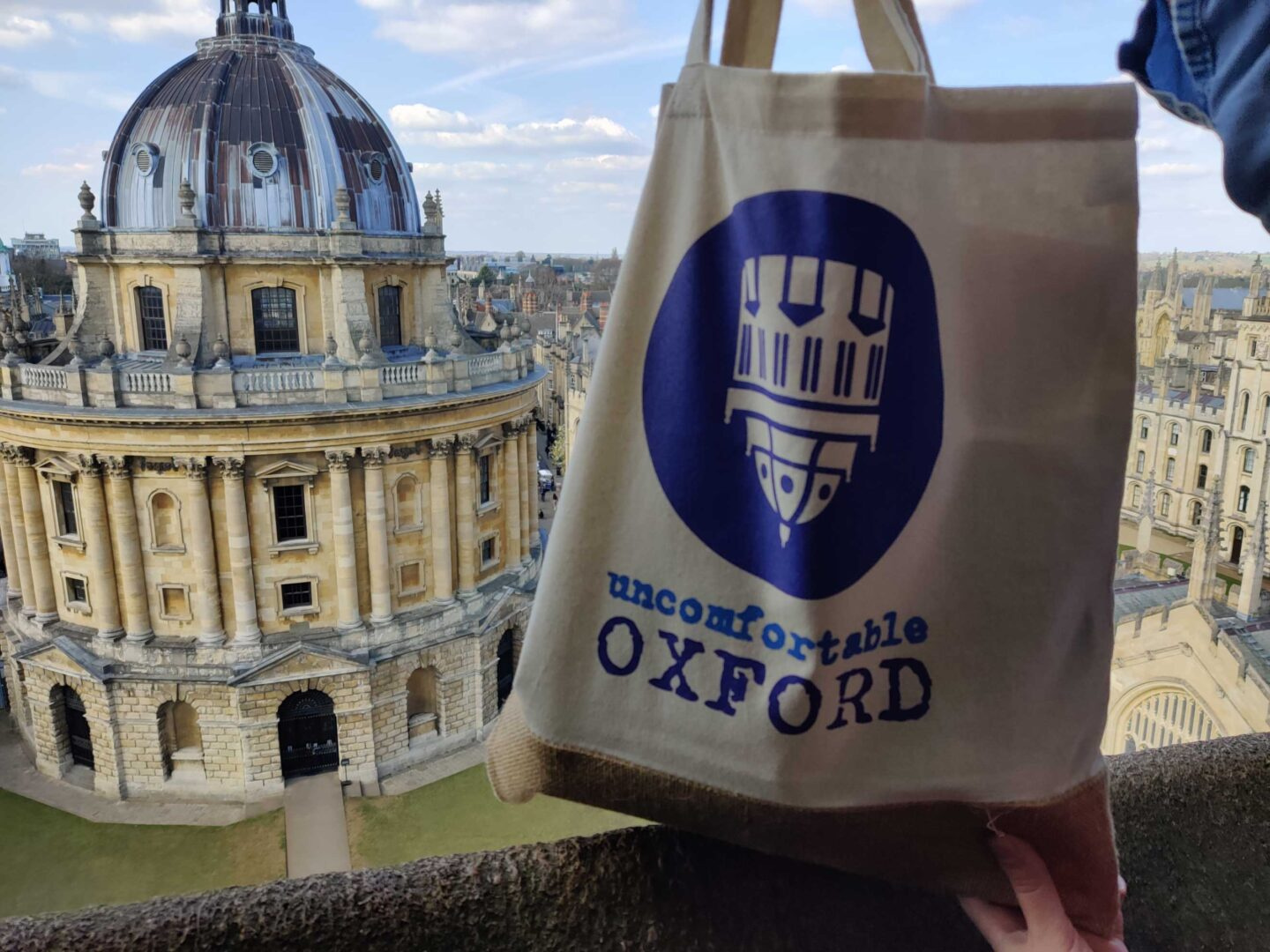
Our third week of the research summer began with a talk by Catherine Day, co-founder and civil servant, followed by a talk on research methods and methodology. Though I was unable to attend these sessions, reading the accompanying material was insightful and interesting - I learned about different philosophical lenses through which social science research can be conducted and why a mixed methods approach can be highly effective in bringing greater depth and breadth in discussions. For me, the highlight of this week was definitely the 'Uncomfortable Oxford' tour; it was fascinating to uncover the university's history and how it has shaped tradition, architectural design and current efforts to overcome inequalities. I was surprised to finish the tour with such a different perspective of the city!
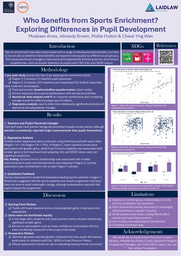
Progress was made this week in developing our project further: I acted on feedback from our programme manager, Ben, and edited the stakeholder map with an attempt to improve cohesion and include more evaluation. With another group member, I also worked on writing up our methods and methodology whilst the remaining team looked through data for both pilots and the accompanying code. This week, we were more proactive in asking our impact advisor questions and seeking her guidance and advice. Something we misjudged was that a literature review would not be needed for our project at this stage - we were encouraged by our advisor to start compiling secondary sources related to the wider aims of our project and why our project can be useful in contributing to existing research.
Looking ahead to next week, we aim to continue developing our data analysis and potential qualitative research in the form of surveys/interviews for student ambassadors. As a more personal goal, I would like to be more efficient and critical in any write-ups we produce.