
Reflections on my Laidlaw Research Summer
My summer as a Laidlaw Scholar became an unexpected masterclass in automotive engineering, technical innovation, and leadership. What began as a simple project quickly converged into a single journey: exploring how we design, manufacture, and optimise the vehicles of tomorrow.
Here is how a season immersed in automotive technology reshaped my perspective as an engineer and researcher.
1. Industry Exposure and Inspiration
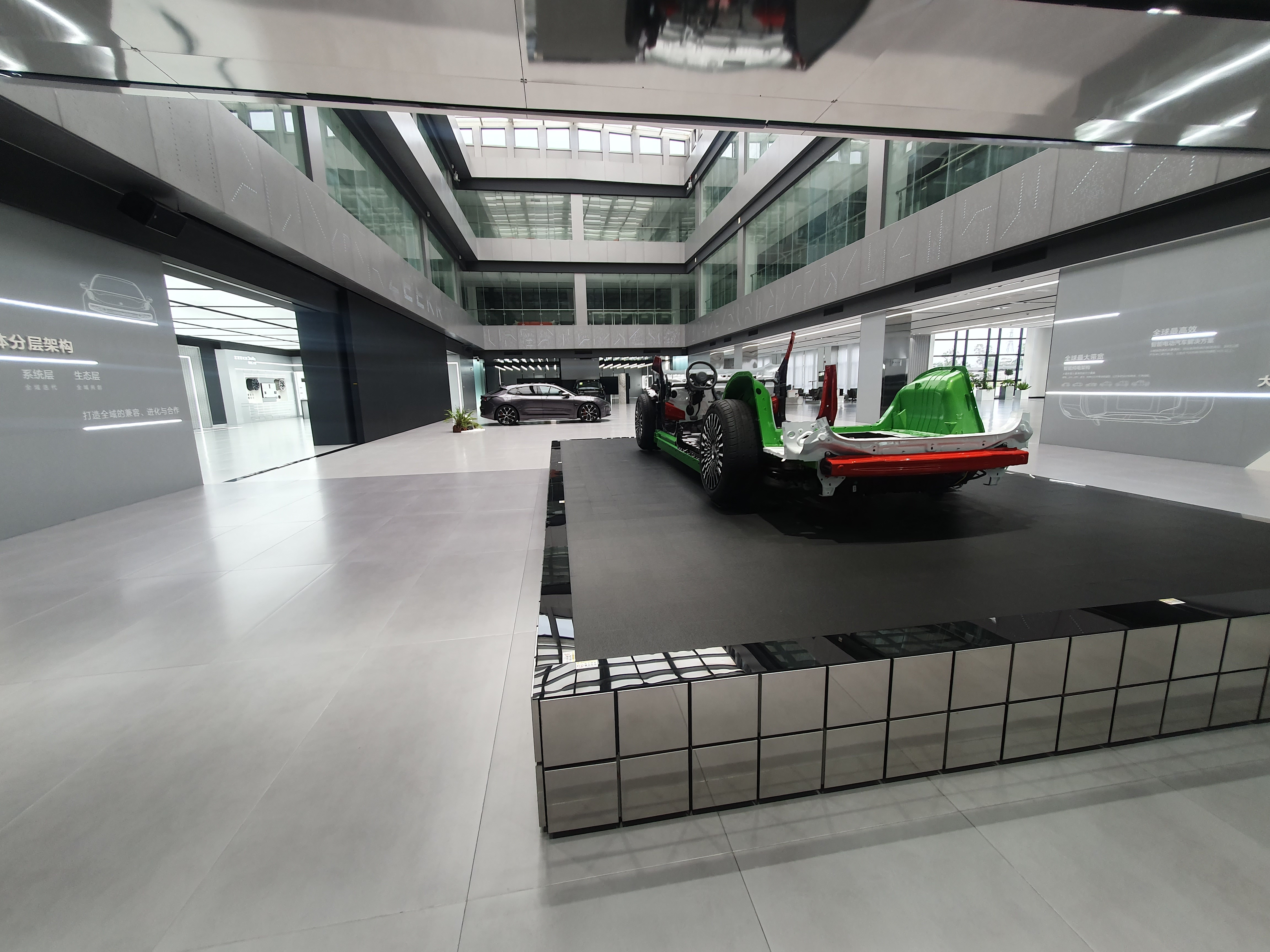
Early in the summer, I had the privilege of attending the Future Vehicle Technology (FVT) Symposium hosted locally at Imperial College London. The initiative brought together leading academic researchers alongside major industrial stakeholders, including Tata Steel, Andritz Schuler, and Novelis.
Attending the symposium gave me a front-row seat to pioneering research, including the award-winning Fast Light Alloy Stamping Technology (FAST) developed by the research group I was joining for my Laidlaw project. Hearing how industrial partners like Schuler are currently implementing this technology in practice to produce automotive parts with improved properties sustainably felt incredibly promising for a better future. Additionally, hearing Tata Steel and Novelis share their circular economy roadmaps focusing on closed-loop recycling and scrap reduction highlighted just how rapidly the industry is pivoting toward long-term sustainability.
2. Global Leadership & Mentorship: Teaching Manufacturing in China
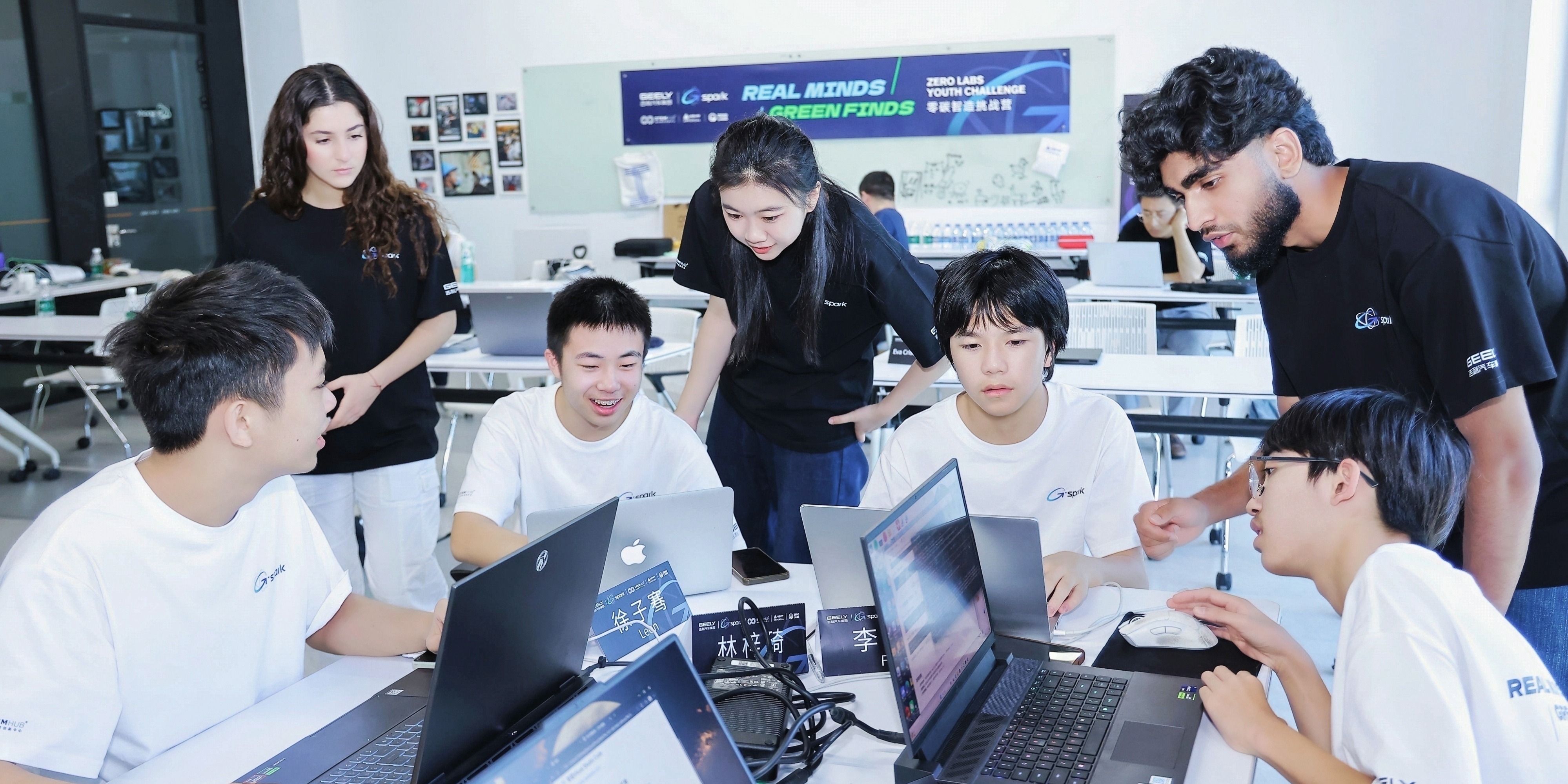
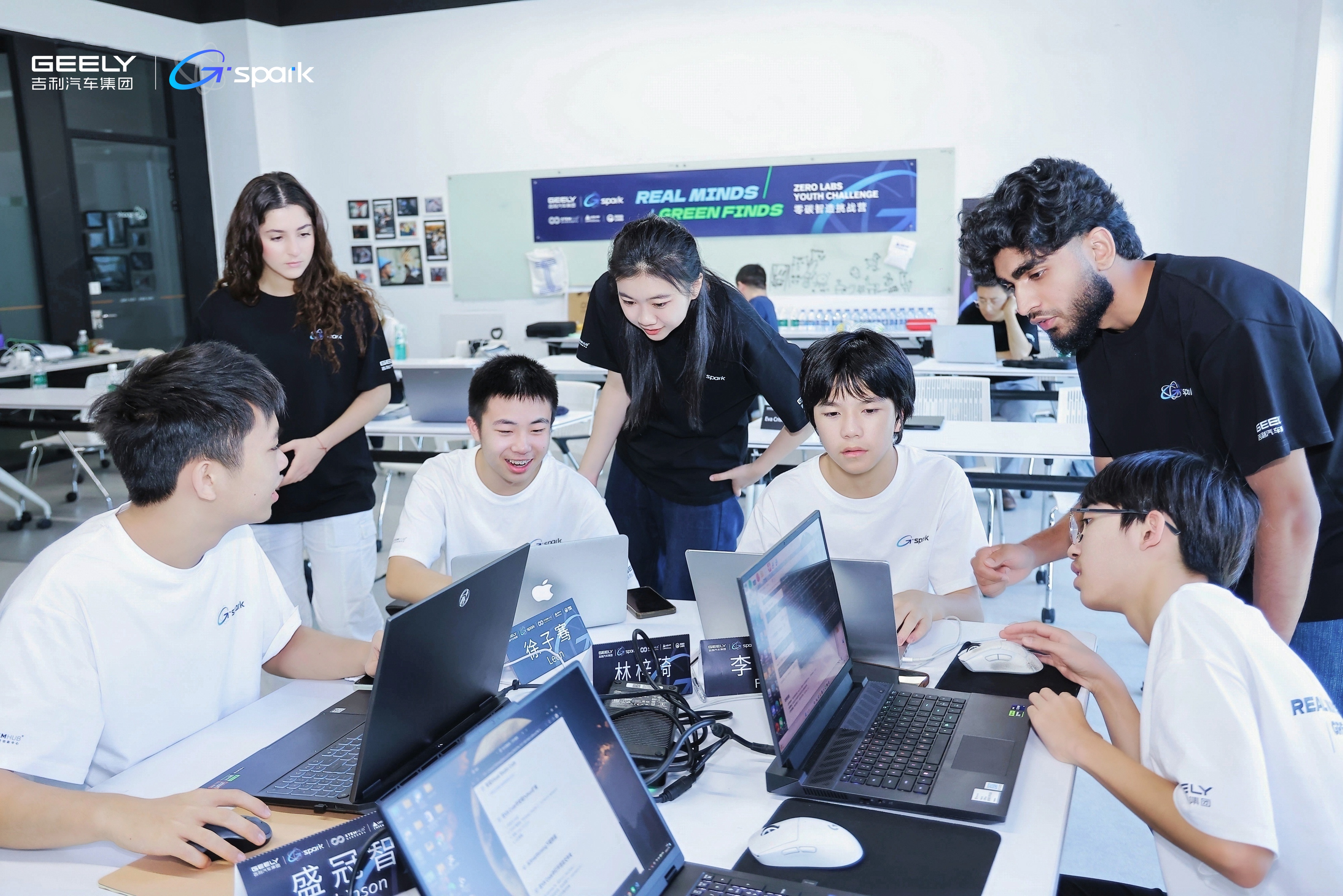
Following my literature review in current automotive manufacturing practices, I was invited to support the Geely Auto Group youth camp in China. This is a collaborative initiative between the Geely Auto Group and Imperial, hosted at the advanced ZEEKR smart factory in Ningbo, which aimed to inspire and share the vision of sustainable manufacturing to the next generation of students.
The first couple of days at the youth camp set the foundation of automotive manufacturing by introducing the students to new concepts including stamping, casting and forging, along with an introduction to. Upon setting the fundamental knowledge surrounding manufacturing, we continued by providing a more hands on experience of engineering by introducing the use of python for modelling robotic systems and collecting numerical data for insightful analysis. Finally, the students had the opportunity to compile their work from throughout the camp into a comprehensive presentation delivered to their peers along with executives from Geely.
Throughout the camp, the Geely Auto Group had arranged various tours of their leading facilities including their almost fully autonomous ZEEKR cars stamping and assembly sites, along with visits to their leading research facilities in car safety and innovation. This included their advanced climate wind tunnels, capable of simulating extreme weather conditions, and therefore allowed the Geely researchers to develop vehicles suited for all environmental conditions.
Being able to share my passion for engineering and my vision of sustainability to a new generation of students eager to learn and develop skills to solve real engineering problems was an incredible experience. This opportunity gave me the opportunity to gain a real insight into the R&D side of the automotive industry, and a greater appreciation of the efforts taken to reduce the environmental impact of transport.
3. Investigating Stamping Simulations for Economic and Sustainable Optimisation
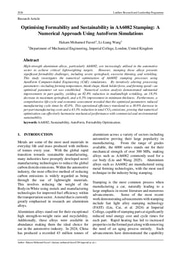
Once I arrived back in the UK, I began the major research element associated with my Laidlaw research project. With my newly developed knowledge of stamping technologies, I investigated the impact of various stamping process parameters on the mechanical properties of the formed part. Additionally, I analysed the sustainable and economic impact by estimating factors based on the ZEEKR smart factory.
My research consisted of utilising the thermo-mechanical simulation capabilities of the engineering software AutoForm, to compile and assess my own stamping process. Various material information and training material provided from the Metal Forming Group at Imperial was used to develop an understanding to use the software and begin analysing the behaviour of AA6082 aluminium alloys under my defined stamping process.
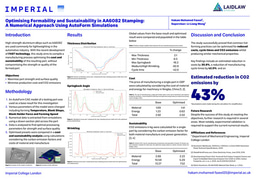
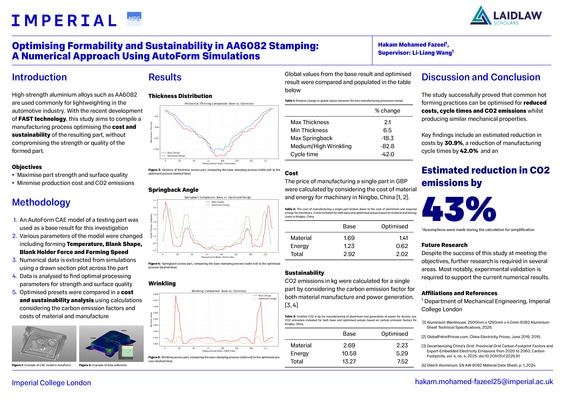
Using AutoForm’s complex FEA I was able to optimise several forming parameters, including reduced temperatures, blank shape, holder forces, and punch speeds. The changes implemented achieved an 82.8% reduction in wrinkling and an 18.3% decrease in the maximum springback angle, which formed parts of higher visible surface quality and accuracy for assembly.
Following the success of my defined forming process, I began assessing the economic and sustainable aspects regarding my process. The economic analysis consisted of determining the cost of raw materials and an approximation of the cost of producing a single part. Similarly, I determined the mass of carbon dioxide emission by considering the emission factors associated with manufacturing aluminium alloys and generating sufficient energy for the stamping process. These changes achieved a significant 30.9% savings along with a 43.3% reduction in carbon dioxide emissions per part.
4. Accelerating The Computation of Lubricant Models in Mechanical Systems
Towards the end of the summer, I had the opportunity to explore the field of computational tribology by working towards accelerating Elastohydrodynamic Lubrication (EHL) solvers. Because tribology and fluid dynamics dictate the efficiency and lifespan of everything from transmission gears to engine bearings, optimising these calculations is vital for vehicle performance and modelling complex mechanical behaviours.
To begin, I conducted a literature review into the field of tribology, developing an understanding of different lubricant regimes and the development of models by researchers in the recent decades. Most importantly, I reviewed the novel approach in the field, known as progressive mesh densification. This optimisation method governed the direction of my project as I worked towards implementing this method into a developed EHL solver from the research lab.
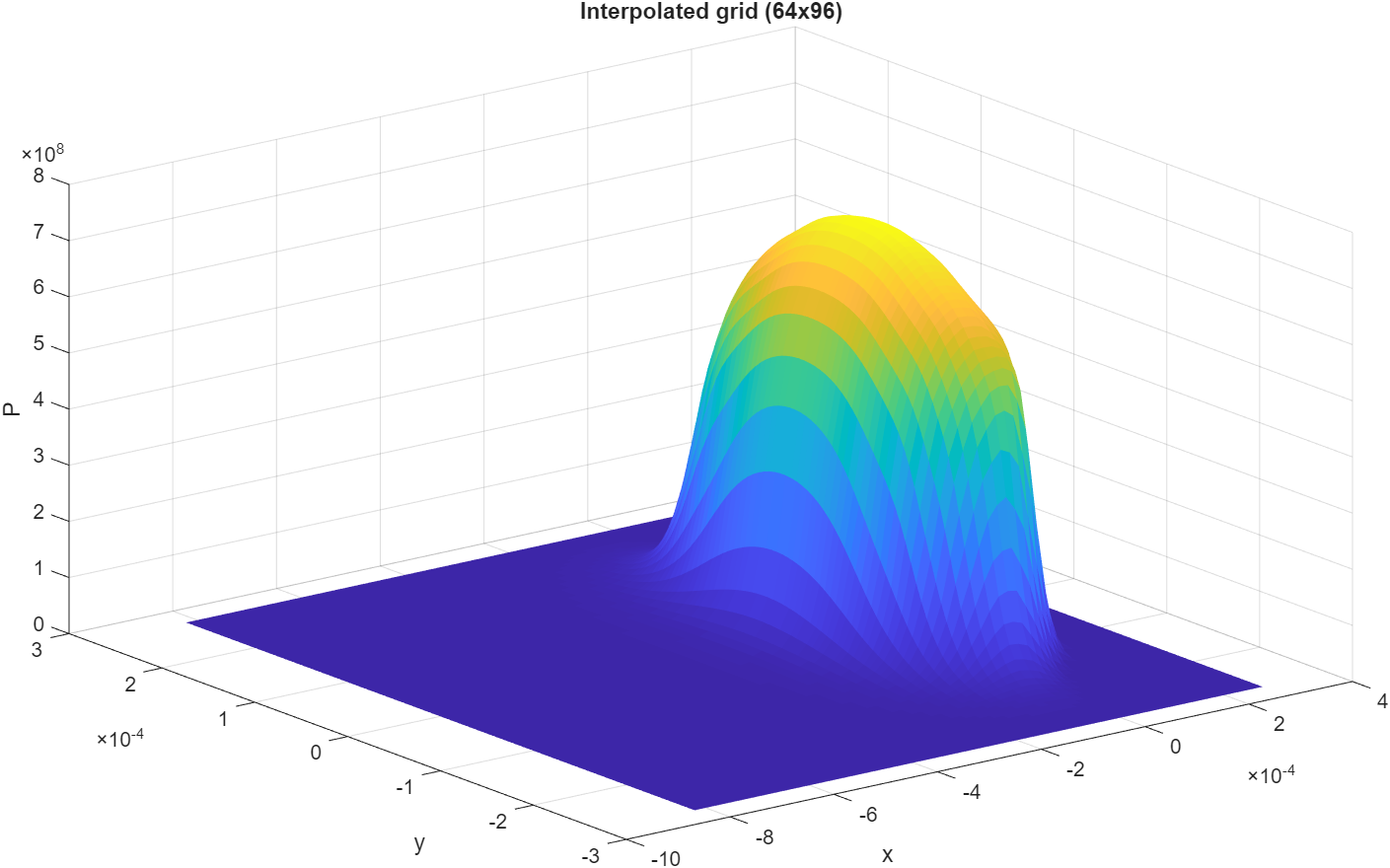
The EHL solver was developed through the MATLAB engineering environment to find an acceptable set of solutions through iteration. Each new iteration executed provides improved solutions from the previous. This iterative process is continuously executed until each solution becomes insignificant improvement from the previous.
To approach implementing the optimisation technique to the ready developed EHL solver, I had learnt to make use of an inbuilt functionality of MATLAB for interpolating meshes. This would be cleverly integrated into the code to interpolate lower mesh results to higher meshes for much better starting points for the later iterative solver. This resulted in significant reductions in computation times, most particularly at the larger mesh sizes spanning up to potential 99% reductions in time through the newly introduced optimised method.
Key Takeaways & Looking Ahead
Reflecting on my recent summer, I believe it is best summarised as a pursuit for optimisation. I have had the opportunity to experience first hand how engineers dedicate their time towards optimising existing processes for reductions in time, carbon emissions, and costs. My time working on these projects has strengthened my commitment to further optimising processes in the future as an engineering leader to contribute towards a smarter industry.
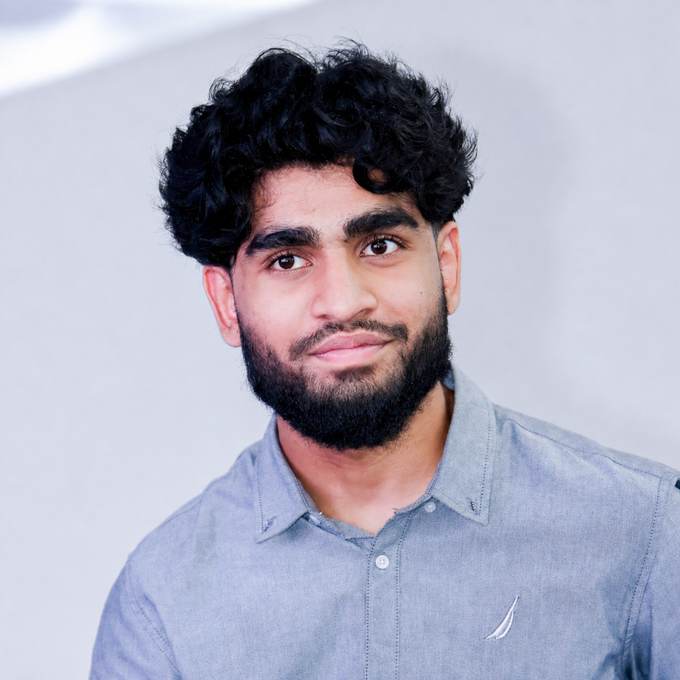
I'm currently studying Mechanical Engineering MEng at Imperial College London.
My research summer explored recent advancements in the automotive industry and consisted of attending symposiums, visiting leading automotive testing and research sites in China along with iteratively simulating hot stamping to optimise the sustainability and cost of each part produced. I have built a deep appreciation for the automotive industry, especially for their drive towards long-term sustainability and emphasis on passenger safety.