When I was thirteen, I had an unbreakable obsession with the TV show Glee – as many thirteen-year-old, theatre-fanatic kids do. In an extreme feat of exaggeration, I was convinced that my entire life depended on the outcome of various narratives in the show – would Kurt and Blaine ever get married? Would the New Directions win nationals this year? What about Marley and Kitty’s pseudo-friendship-not-friendship? I spent many an afternoon lip-syncing along to Valerie and learning the lyrics of Sondheim – and, without fail, forcing my parents to listen to the cast version of every song possible.
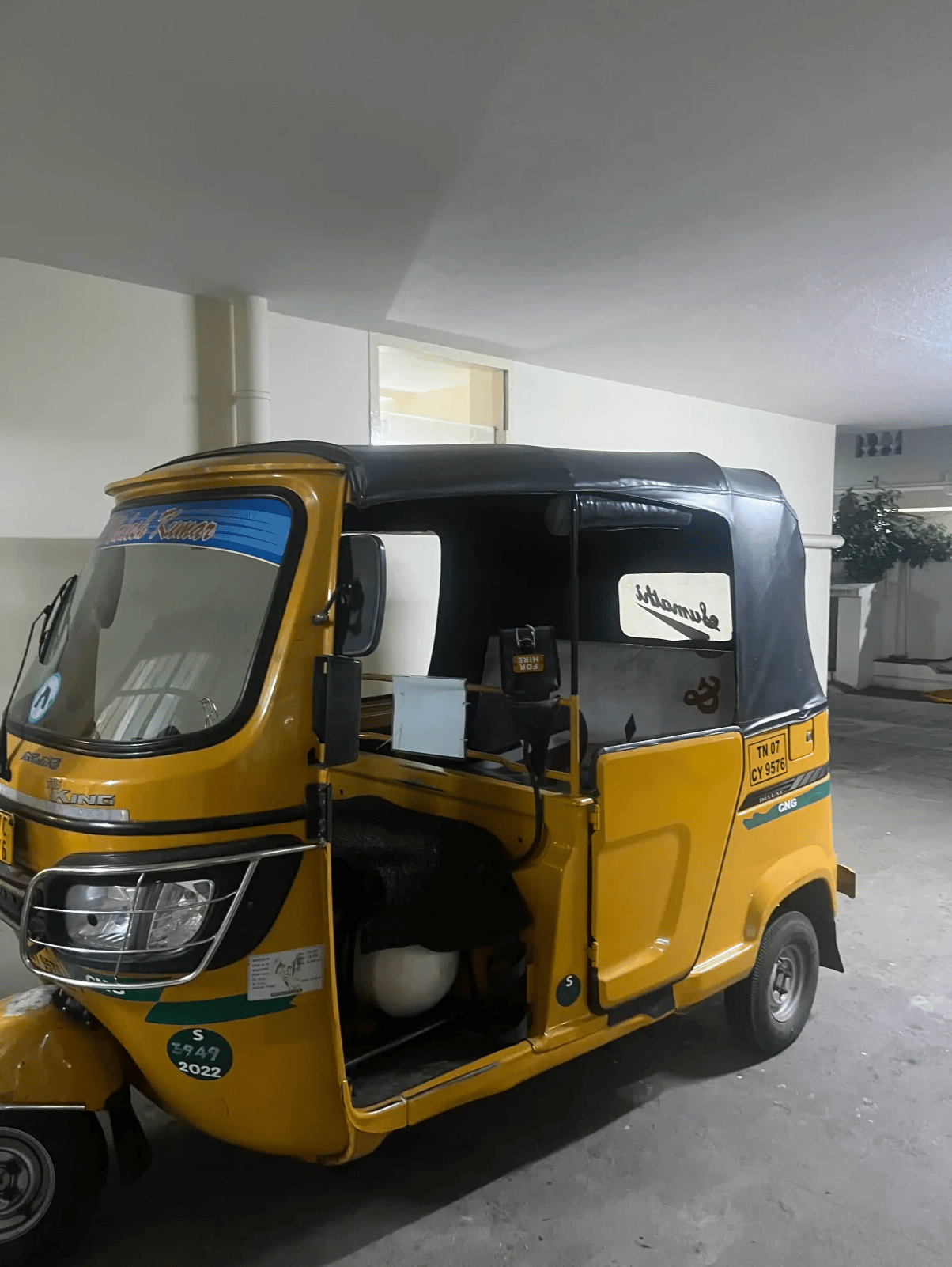
Of course, as I grew older, my interests changed, and though I still occassionally watched an episode here or there with friends, I largely left Glee behind. It was a surprise, then, when seemingly out of nowhere, my fascination with the show returned with a vengeance – pretty much the minute I landed in India. I honestly don’t know why: homesickness, distance from friends and family, or just a general sense of overwhelming newness has perhaps pushed me back into what I find most familiar. Whatever the cause, the Glee cast is quickly skyrocketing to the top of my playlists – which is how I find myself here, dancing in the back of an auto to Chris Colfer and Darren Criss’s cover of Just Can’t Get Enough as we speed down the Bandra motorway. Serenade me, Blaine Anderson, against a blurred backdrop of cars and concrete, set to the smell of the ocean.
It’s interesting. I moved countries at seventeen for university, and I’ve had the expected moments of loneliness that come with the nine-thousand-kilometres worth of separation from my hometown. Largely, though, I feel that I haven’t lost a sense of place but gained one: I am lucky enough to call both California and Fife my home. Still, I’m not a stranger to settling down somewhere new and largely unknown; given so, I didn't think much of spending six weeks in India. Of course, the unexpected destabilisation of family emergency throws you off balance, kicks the sand from under your feet. Amidst my grapple for the shore – allow me my metaphors, if you will – I find myself turning back to old favourites: songs, films, shows, books. Glee may be, frankly, quite ridiculous – I definitely watch it with an increased sense of irony now – but it’s also comforting. My favourite moments of the day quickly become the hours before I fall asleep, when I curl up on the couch with a pot of noodles, a soft pillow, and an old episode or two.
Of course, the days are still moving: today is Monday, and I’m at work, still humming the last few bars to Kurt and Blaine’s duet. I’ve spent the first hour of the day working on the research database, collating unfound articles and studies into a detailed list. My mentor, Suditi, seems pleased with the progress; hopefully, this database will be a useful tool for academics and volunteers both, as well as highlight severely under-researched topics within gender and sexuality studies. It’s obvious even from my limited experience that most research has focused on the health experiences of men who are sexually active with other men, particularly in regard to HIV and AIDS prevention. Few studies stray outside the domain of public health, and even fewer address the concerns of queer women or nonbinary individuals.
Coming from a background in history, I’m used to studying topics which are, largely, complete – as complete as any academic field can be. While debates around the French Revolution or the Renaissance do exist, most aspects of them have been explored to at least some effect. It’s thrilling – and rather scary, honestly – to work in a space where research is still sharply new. It’s almost grounding, keeps me rooted in the moment as I begin editing the outreach survey Suditi and I have designed. The work we are doing is immediate, and, in many ways, it’s never been done before.
The latter half of my day is fully dedicated to creating sensitisation programmes for use in high schools, universities, and workplaces. During my time in Mumbai last year, I noted a common theme amongst everyone I interviewed: a lack of knowledge, people told me, lay at the heart of most hatred and homophobia that they faced. People are scared of what they don’t know, one of my interviewees told me, they fear the unknown. Education, then, was my cornerstone when framing my work with Humsafar. The organisation already does significant outreach with various Mumbai schools and companies, and I’ve been tasked with editing the current modules, identifying gaps, and adapting them for various audiences. For workplaces, more information on legal requirements is needed. For young children, clips from movies or songs that they might know. I soon become extremely familiar with Bollywood films – a surprising, though not completely unexpected, outcome from this project.
My drive home, soundtracked to the soaring harmonies of Come What May, is surprisingly fast. I return to a quiet house: Revathi Auntie is reading the newspaper over a cup of coffee, and Asok Uncle is playing bridge, his legs kicked onto the table. Slow, bluesy jazz glides through the room like water trickling over my fingertips: I wish, not for the first time, that I had a piano here. It’s strange to go for so many days without playing, and every time Asok Uncle plays a jazz album, I feel my fingers twitch and stretch in anticipation. I content myself with humming along to the crooning saxophone as I open my book and lean back on the couch, joining with the silent company. Chapter nine, and the story’s starting to take a twist – the murderer could be the victim’s father – or maybe her best friend, who seems to be harbouring some strange resentment. Our protagonist, Perveen, is rushing through the Bombay streets, ducking from building to building; here, in the same city, I stare out the window, watching the first glares of lightning tear open the sky. The rain follows soon after, battering the walls and singing me to sleep – a strange, thunderous lullaby into the dawn.