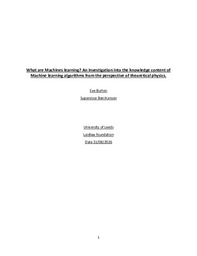
Project: What Are the Machines Learning? An Investigation into the Knowledge Content of Machine Learning Algorithms from the Perspective of Theoretical Physics.

I am excited to begin my Laidlaw research project, What Are the Machines Learning? An Investigation into the Knowledge Content of Machine Learning Algorithms from the Perspective of Theoretical Physics.
Project Intro
Artificial intelligence is becoming increasingly embedded in science, engineering, and everyday life. While machine learning models can produce impressive results, we often have limited understanding of what they are actually learning and whether their conclusions can be trusted.
Through this project, I will explore whether machine learning models capture genuine physical principles or simply recognise patterns within data. By examining these systems from the perspective of theoretical physics, I hope to gain a deeper understanding of how AI reaches its conclusions and what this means for the future use of machine learning in scientific research.
My aims
I am looking forward to developing my research skills, learning more about AI and physics, and sharing my findings throughout the project. I also hope to strengthen my Python programming skills and gain hands- on experience building machine learning models. Ultimately, I want to develop a deeper understanding of how AI works, its limitations. As an electronic and electrical engineering student I want to be at the forefront of understanding how it can be used responsibly in scientific and engineering applications, as it slowly is getting embedded in everything.
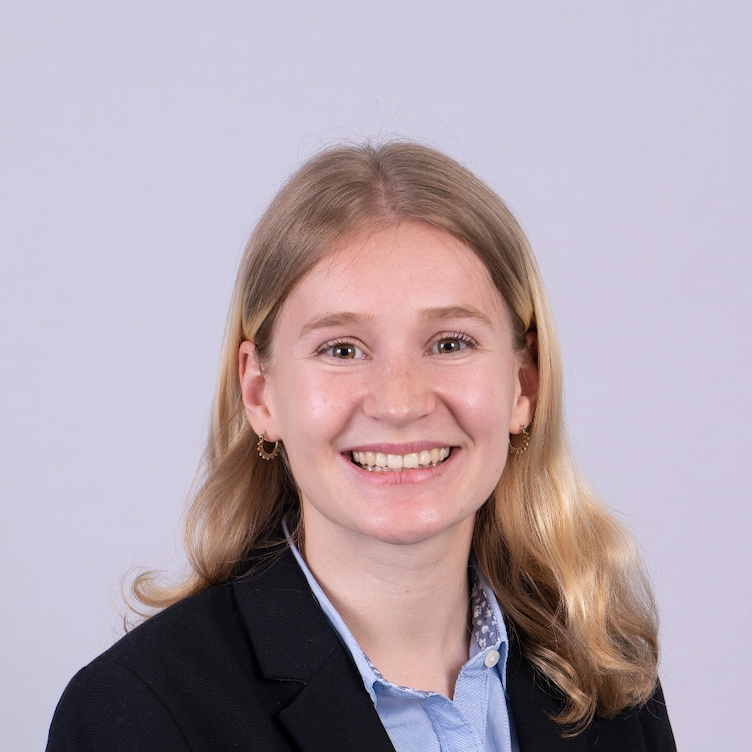
I am a first-year Electronic and Electrical Engineering student at the University of Leeds and a UKESF Semiconductor Talent Award holder. My research explores what machine learning models are actually learning when applied to physical systems, investigating whether they capture genuine physical principles or simply identify patterns in data. Through this project, I hope to develop my understanding of AI, strengthen my Python and analytical skills, and contribute to the responsible use of machine learning in scientific research.