I went to the Laidlaw Conference at Imperial College London expecting to learn more about leadership. I left realising that I had been measuring it wrongly. For a long time, I thought leadership meant being the person with the answer - the one who speaks first, speaks loudest, and looks certain. The conference challenged that. Not through a dramatic moment, but through a series of small, uncomfortable ones that made me pay attention.
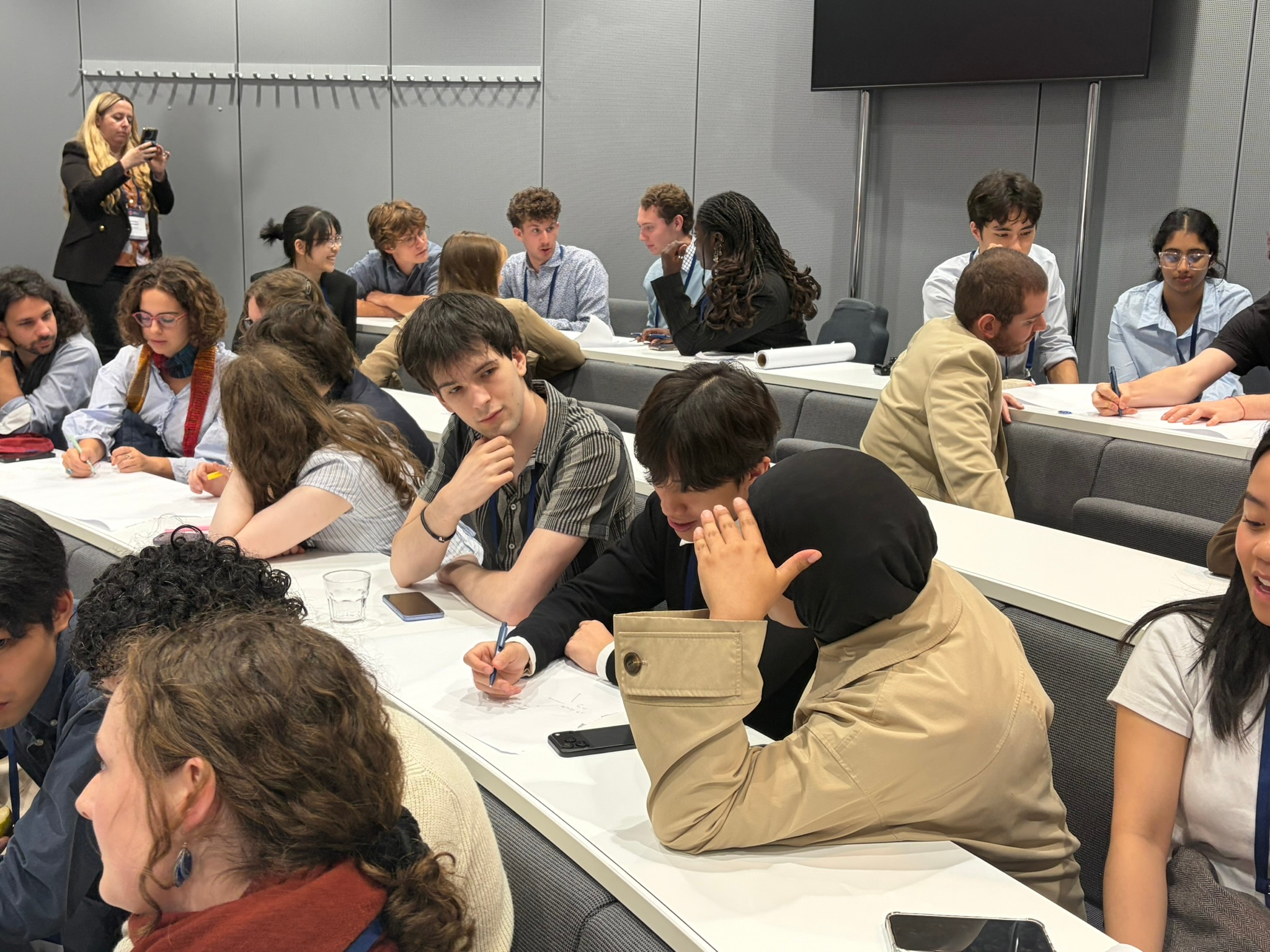
The first was the "Wicked Problem Analysis". My group explored why only around 3% of wealthy people in the UK donate. We started by throwing out ideas: social norms, distrust, psychological distance, whether taxation makes people less willing to give. At first, it felt chaotic. People were talking over each other, ideas were half-formed, and part of me kept thinking, this is not going anywhere. But then we had to narrow everything down. We chose the causes we believed mattered most and began building towards something more useful. That was when I understood the point: the mess was not a failure of the discussion; it was part of how thinking happens. I have always wanted the “perfect” idea before starting. This exercise reminded me that useful ideas often begin as imperfect ones - and that refusing to start until everything is clear can become its own form of avoidance.
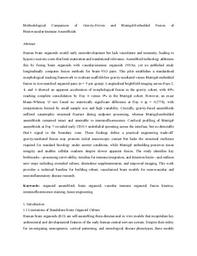
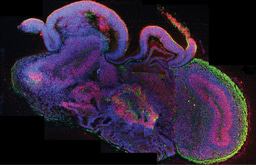
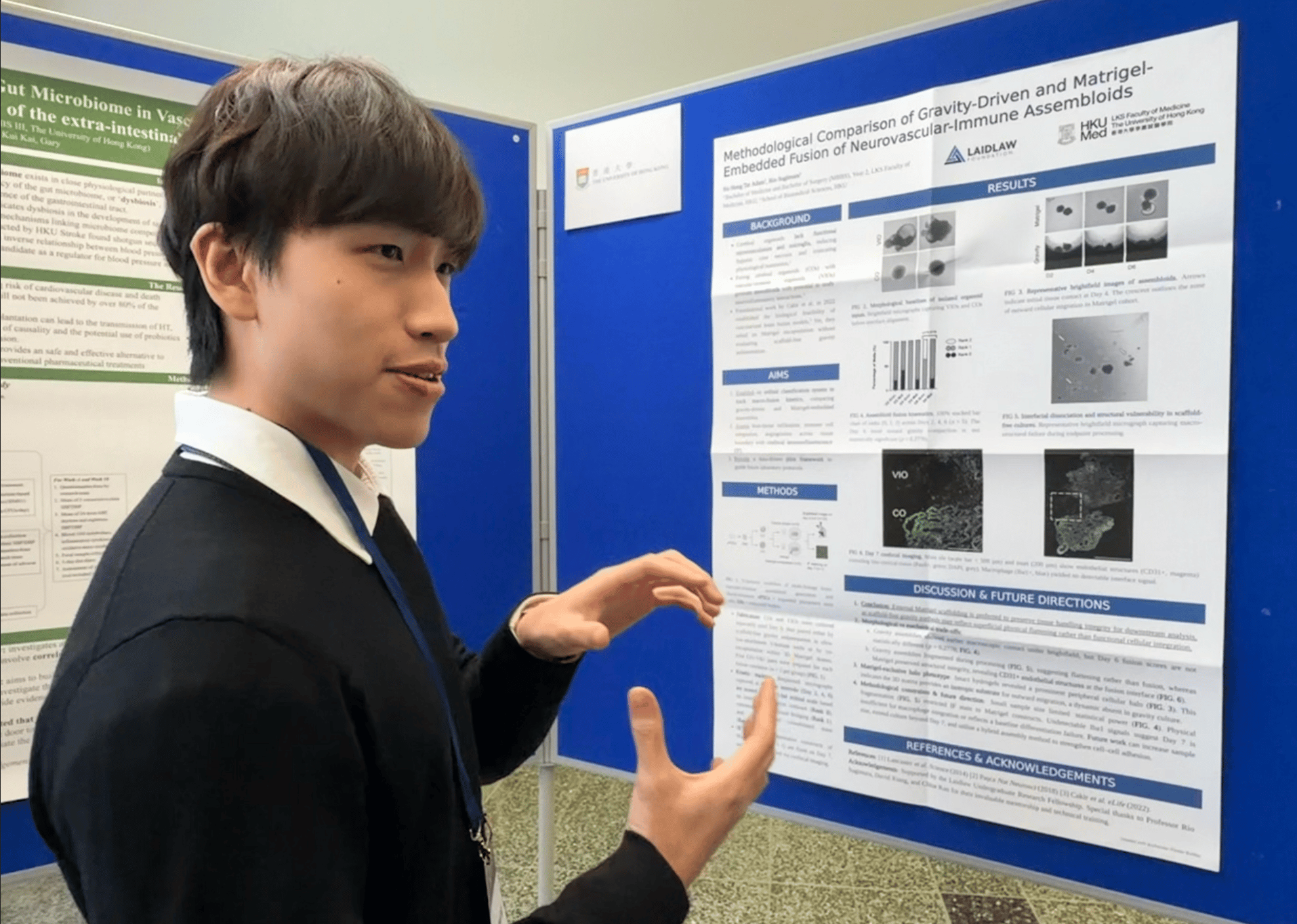
That lesson followed me to my poster presentation. My project involves creating an assembloid from brain, immune, and vascular organoids. It is an uncertain and complicated area, and I do not have all the answers. Standing in front of my poster, I felt nervous - but I also realised that I did not need to be certain to have something worth sharing. Leadership, at least in that moment, was not about having the most polished explanation. It was about showing up with an honest question, explaining my thinking clearly, and staying open when someone challenged it. I used to associate leadership with the loudest person in the room. Now I think it can also be the person who listens carefully, asks the question nobody else wants to ask, or creates space for someone quieter to contribute.
I will be honest: I sometimes felt a disconnect between the formal leadership sessions and what leadership actually feels like. It is easy to discuss “leadership styles” in a lecture. It is much harder when a group discussion becomes unfocused, when people are talking past each other, or when you are unsure whether your contribution matters. But that discomfort was useful. It made me realise that leadership is not a concept you learn once and then apply perfectly. It is a series of choices made in messy, real situations: when to speak, when to listen, when to push back, and when to let someone else take the lead. Not everyone needs to lead in the same way - and perhaps recognising that is itself a leadership capacity.
The session that stayed with me most was Zing Tsjeng on money versus morals. She spoke about declining an interview with J.K. Rowling because she disagreed with Rowling’s actions and statements on trans and gender issues. What struck me was not simply the decision, but the clarity behind it. She knew what she valued, and she accepted that acting consistently with those values might cost her something. As a future doctor, that resonated deeply. Medicine will constantly place me at intersections where career progression, financial incentives, institutional pressure, and patient welfare do not always align. I want to be known as competent and professional, but more importantly, I want to be someone who makes the right choice when it is difficult. For me, morals should come before money.
The conference also gave me humility. Listening to other Scholars present research on topics from synaptic function in Drosophila to urinary incontinence in women reminded me how much remarkable work exists beyond my own field. At first, I felt intimidated. Then I felt grateful. Their projects were different from mine, but the curiosity and persistence behind them were the same. Speaking with Scholars from different countries also made me more aware of how differently people experience the world - shaped by climate, upbringing, culture, and social division. These differences did not always make collaboration easy. In fact, I still doubt whether “different perspectives” automatically lead to progress. Differences can create friction and misunderstanding. But perhaps progress does not come from simply putting different people in a room. It comes from the harder work of understanding each other, challenging assumptions, and building something more thoughtful together.
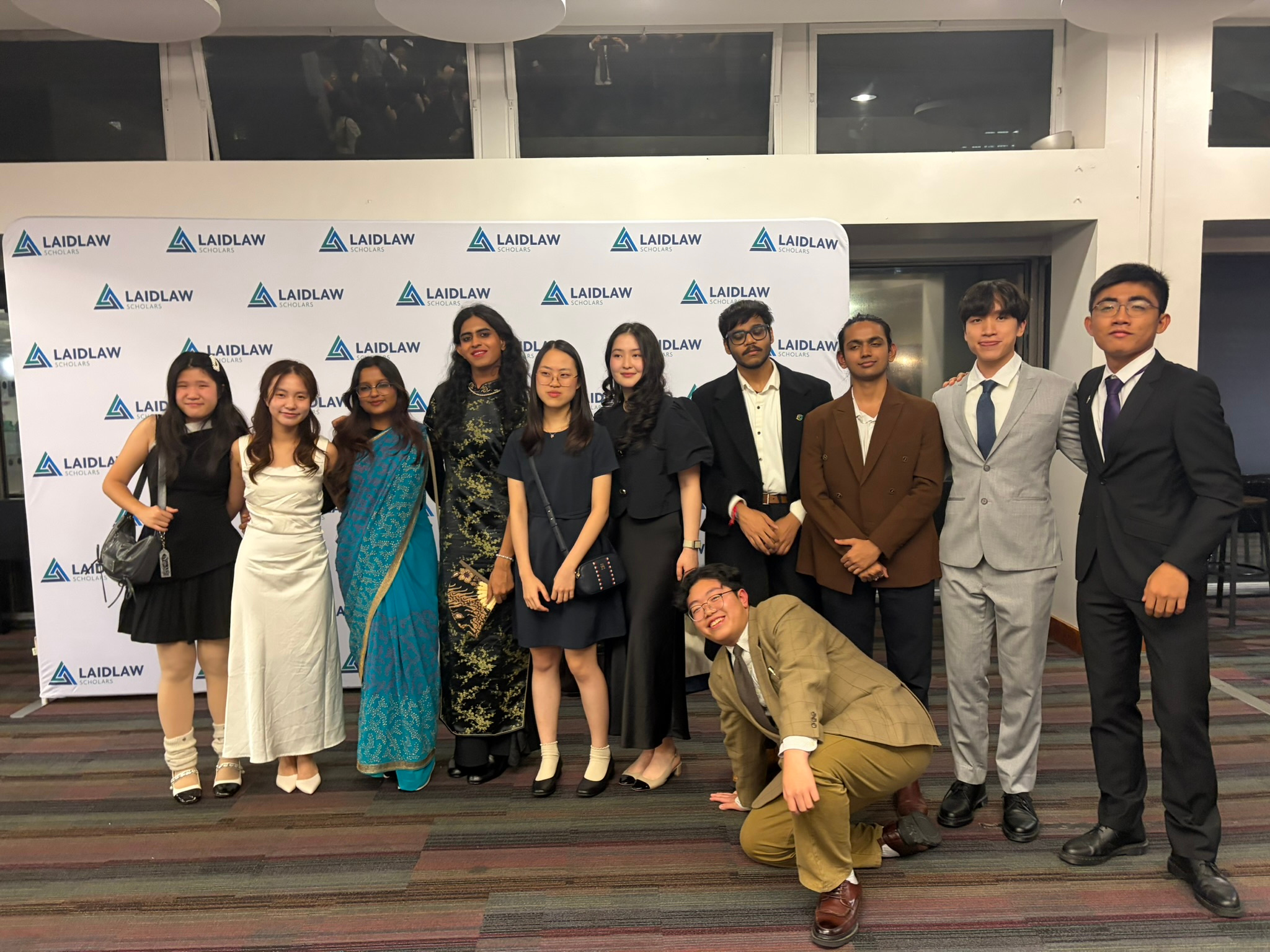
Looking back through Laidlaw’s 3Cs - Change Maker Values, Character, and Capacities - I can see how these moments connect. The wicked-problem discussion strengthened my curiosity and willingness to start before feeling ready. Presenting my research developed my communication, critical thinking, and courage. Conversations with other Scholars deepened my humility and collaborative mindset. But capacities alone are not enough; character gives them direction. Moving forward, I want to lead by listening before assuming, speaking up when something conflicts with my values, and making room for people who lead differently. I may not always be the loudest person in the room. But I want to be someone who leads with integrity, professionalism, and a genuine commitment to doing what is right.

Hey, I’m Adam! I’m currently a medical student at HKU, and I've developed a bit of an obsession with vascular neurology - specifically how brain blood vessels dictate what happens during a stroke and how patients recover.
For my Laidlaw project, I’m working with stem cells and assembloids to try and model these exact interactions.
Outside of medicine, I like keeping my mind and body active. I’m big into the gym and basketball, and I genuinely enjoy diving into long-term investing and strategy-heavy video games. Ultimately, I’m just trying to build a career where I can combine hands-on clinical neurology with meaningful research.
Feel free to reach out and connect with me on LinkedIn!