What is my project about?
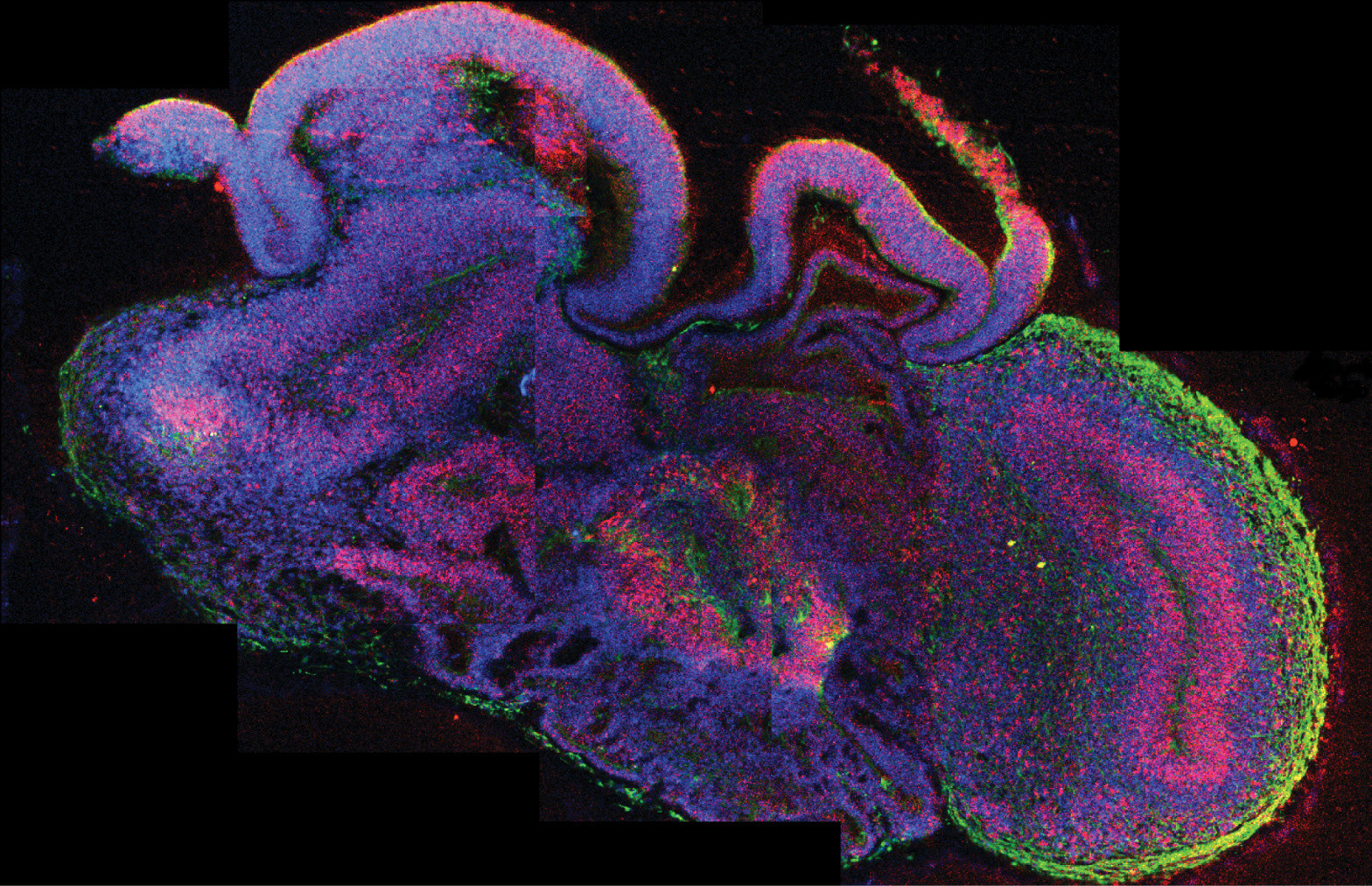
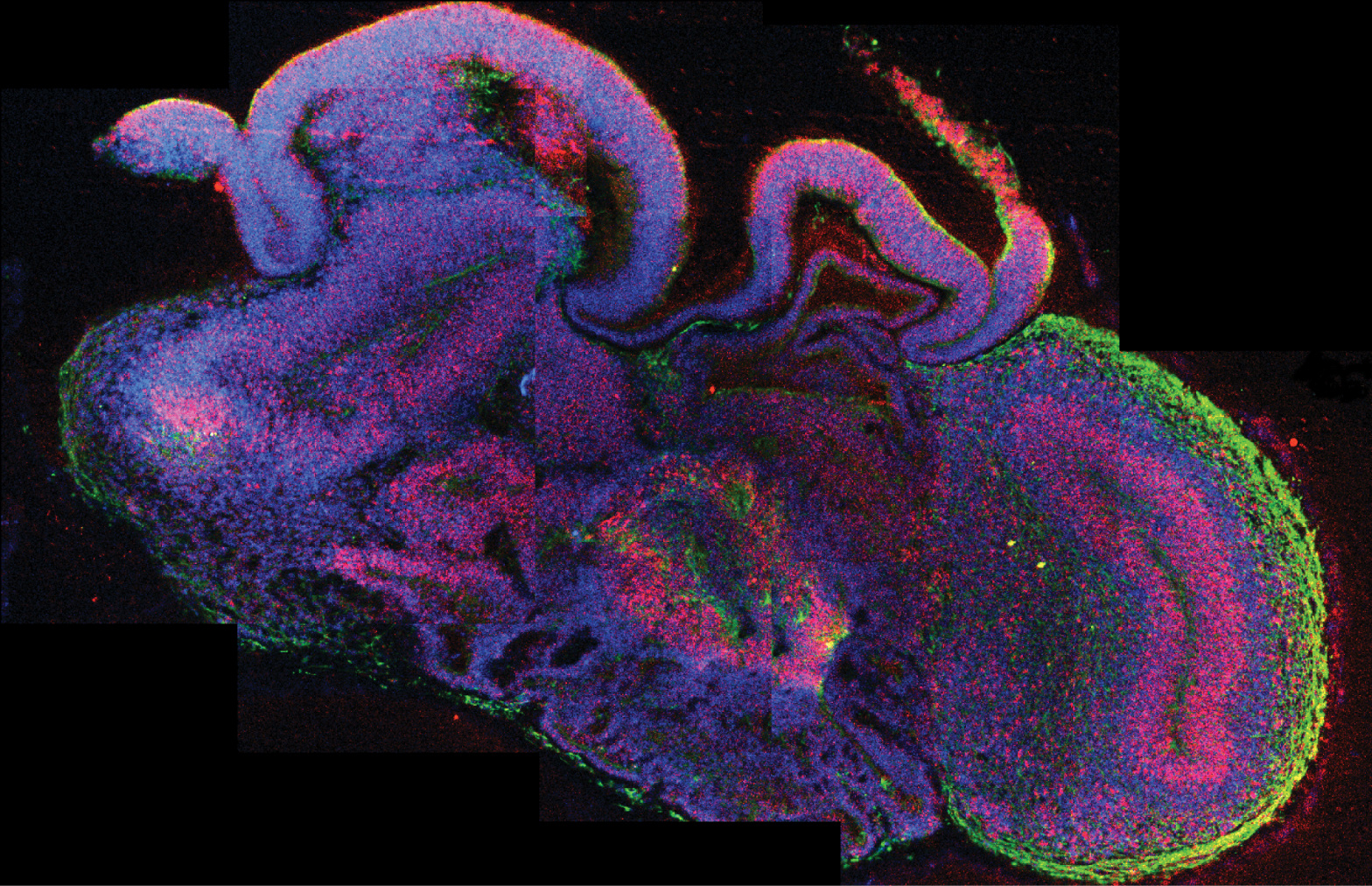
I am working with human "brain organoids", essentially mini, 3D models of the developing human brain grown from stem cells in a lab. They are incredible tools for studying neurological diseases, but they have one massive flaw: they don't have blood vessels or immune cells. Because they lack these components, they don't accurately mimic a real human brain environment, which limits their translational relevance for studying complex conditions like strokes, neurovascular diseases, or brain infections.
To fix this, we can make "assembloids." This means taking a mini-brain and physically fusing it with a mini-vascular immune organoid (which contains blood vessels and immune cells). When they merge, they create a complete, functioning mini-ecosystem. The problem is that every lab handles this fusion process differently, and nobody has actually tracked the pros and cons of the different methods over time. My project is a direct, head-to-head comparison to find out which approach creates a better integrated tissue structure.
Background
Right now, scientists generally use one of two ways to stick these mini-organs together:
- The Gravity Method: We drop both organoids into a tiny, round-bottom plastic well and let them naturally sink to the bottom. They sit touching each other and slowly fuse using their own sticky cell surface proteins.
- The Matrigel Gel Method: We trap the two organoids together inside a tiny droplet of a biological gel called Matrigel. The gel acts like a physical scaffold and gives the cells chemical cues to crawl toward each other.
The big question we wanted to answer was: Does using a gel scaffold give you a faster, more completely blended tissue structure, or does letting them sit freely via gravity allow for better natural self-organisation of the different cell types?
Methodology
I ran a pilot study comparing these two methods side-by-side. Over an 8-day period, I tracked them using a dual approach:
- Tracking external fusion kinetics: I took high-magnification brightfield photos of the organoids on Days 2, 4, and 6. To make sure my scoring was completely unbiased, I randomised all the files. I then rated their physical fusion on a scale from 0 (not fused at all, separate spheres) to 2 (fully merged into a single continuous mass).
- Mapping the internal cell architecture: At the end of the experiment, I carefully dissolved away the gel, preserved the tissue, and sliced it into ultra-thin layers. I used fluorescent dyes to label specific cell types: DAPI to see all the cell nuclei, Pax6 to track the brain's young neurons, CD31 to find the blood vessels, and Iba1 to locate the macrophages (immune cells). Finally, I imaged them under a high-powered confocal microscope to see exactly how these cells migrated and intermingled across the boundary.
What we expect to find & why it matters
Our study focuses on a classic biological trade-off:
- With the Matrigel gel, I expected the organoids to merge externally very fast, likely within the first 2 to 4 days, because the gel provides immediate physical support. However, we want to see if this artificial matrix actually limits how deep the neurons, blood vessels, and immune cells can migrate into each other's territory.
- With the Gravity method, the initial fusion will probably look much slower and more gradual because the cells have to establish contact purely on their own. However, without an artificial barrier surrounding them, this method might allow for much better long-term natural tissue integration and cell intermingling.
Ultimately, this project gives researchers a quick "cheat sheet." Instead of guessing, scientists in our lab can now choose the exact method they need based on their goals.
Ho Hong Tat Adam
(He/Him)
Student, HKU
Hey, I’m Adam! I’m currently a medical student at HKU, and I've developed a bit of an obsession with vascular neurology - specifically how brain blood vessels dictate what happens during a stroke and how patients recover.
For my Laidlaw project, I’m working with stem cells and assembloids to try and model these exact interactions.
Outside of medicine, I like keeping my mind and body active. I’m big into the gym and basketball, and I genuinely enjoy diving into long-term investing and strategy-heavy video games. Ultimately, I’m just trying to build a career where I can combine hands-on clinical neurology with meaningful research.
Feel free to reach out and connect with me on LinkedIn!