LIA with St. John Ambulance BC/Yukon
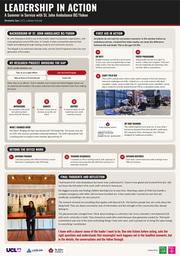
St. John Ambulance is an organisation I had heard of but never truly understood before this placement. I knew it was global, prestigious and involved first aid, but I did not know the full extent of what that meant until I arrived in Vancouver and saw it for myself.
In a society where people are consumed by work, school and the pace of everyday life, health is often the last thing we think about until something goes wrong. Accidents do not wait for convenient moments. And in the critical window between an accident occurring and an ambulance arriving, having someone trained in first aid nearby can mean the difference between life and death. This is the gap SJA fills, through its Adult Brigade members who respond to community events, major public gatherings and emergency situations including natural disasters, and through its Youth Programme, which trains children as young as nine in first aid and emergency response.
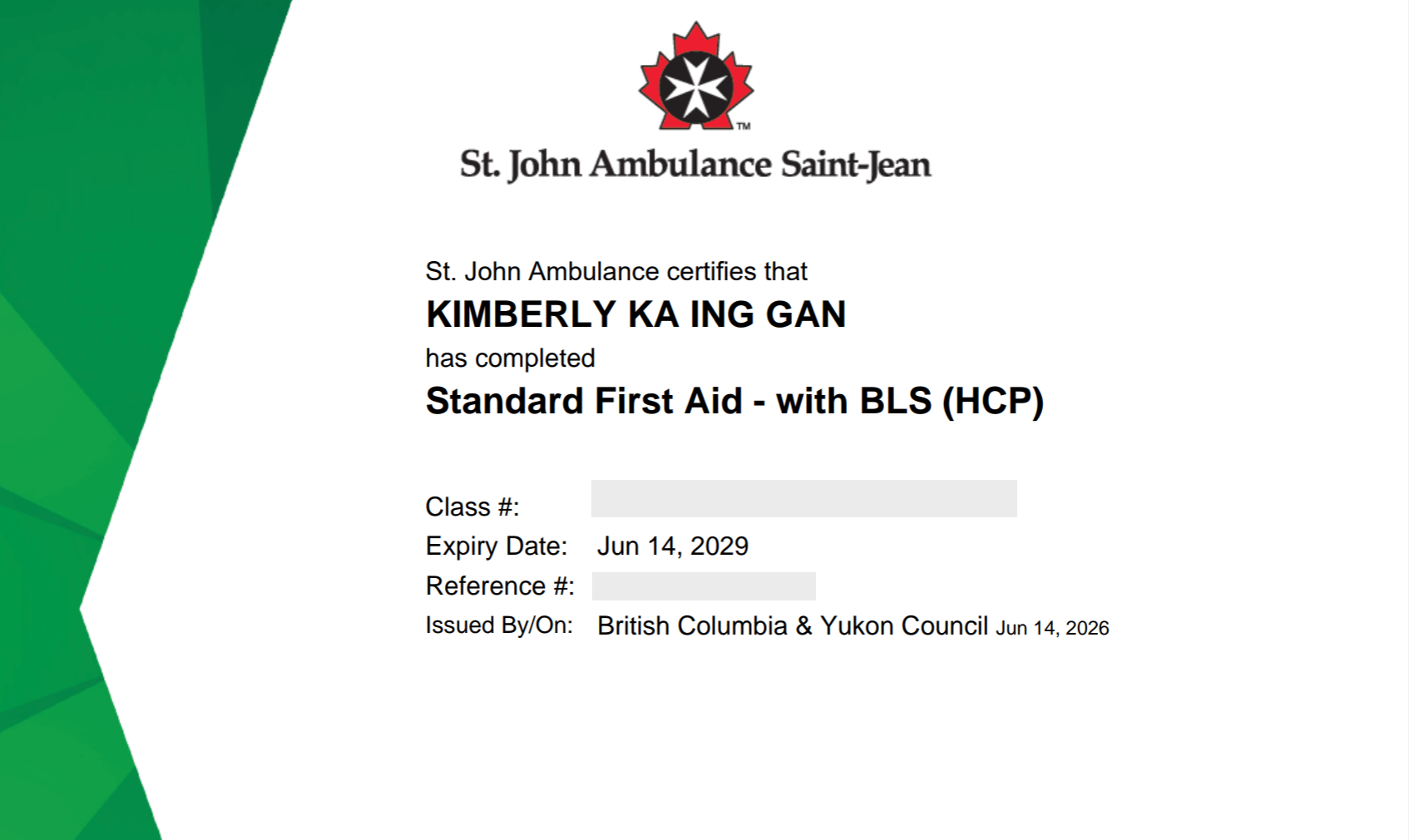
That last part was my biggest surprise. I had not expected to find children learning how to save lives. The moment I truly felt this was at Cadet Field Day, SJA's annual event where youth cadets compete in first aid scenarios, teamwork challenges and drills. I was helping with a particularly complex scenario involving a car crash with three casualties. I watched children, most no older than fifteen, assess the environment, identify a spinal injury, treat it correctly and perform CPR on a simulated cardiac arrest patient. None of those things were skills I had. I left that day feeling genuinely humbled and determined to change that. A few weeks later I received my Standard First Aid with BLS certification, which is something I am very proud of.
My primary project during the placement was a research study into the transition from the Youth Programme to the Adult Brigade. Many youth members choose to stay on as officers within their cadet divisions, which is a very valuable contribution, but it means the Adult Brigade misses out on experienced members who could bring a great deal to them. Understanding why this happens and what could be done about it was the focus of the research. I had the opportunity to visit divisions across BC, conduct interviews with both youth and adult members and design and distribute a survey that was sent out to divisions across BC and Yukon to collect feedback. The findings revealed something that I think applies well beyond SJA, that the barriers people face are rarely about the thing itself, but about uncertainty, lack of information and the strength of the community they already belong to. Many youth members simply lacked the connections or the information they needed to feel confident making the move. I produced a full research report and began developing a transition manual to help close that gap, drawing directly on what members told us they needed.
What this placement gave me, beyond the research skills, the first aid certificate and the report, was a new understanding of what it means to lead in a voluntary context. Every single SJA volunteer I met was balancing this commitment alongside a full time job, university or both. They showed up week after week not because they had to but because they genuinely wanted to. That quiet, consistent commitment was one of the most motivating things I have ever witnessed and it pushed me to bring that same energy to everything I contributed during my time there.
I came to Vancouver not knowing what to expect and I leave with a clearer sense of the kind of leader I want to be, one who listens before acting, who asks the right questions and who understands that the most meaningful work often happens not in the headline moments but in the details, the conversations and the follow through.
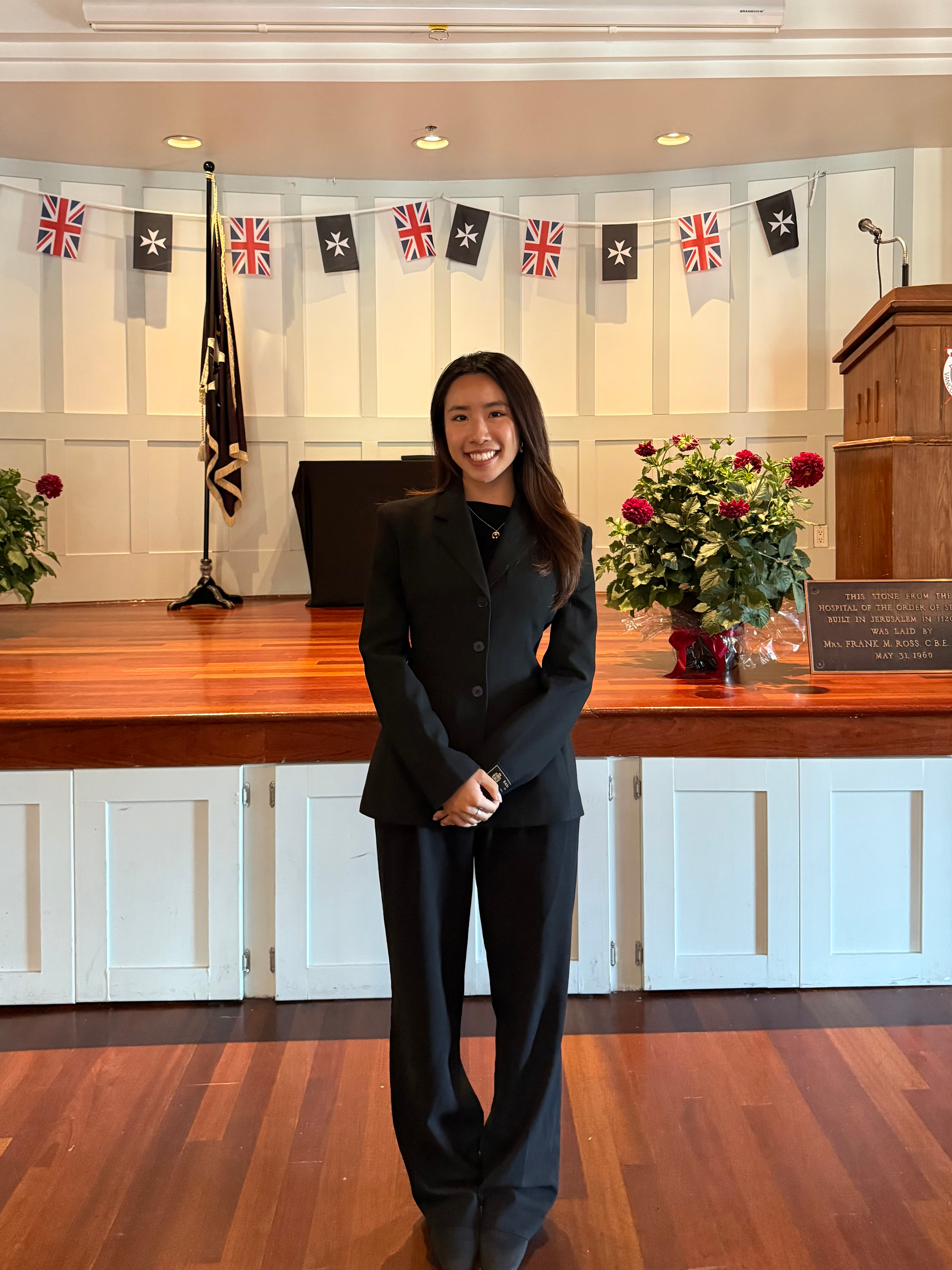

My name is Kimberly Gan, and I study Medical Innovation and Enterprise at UCL.
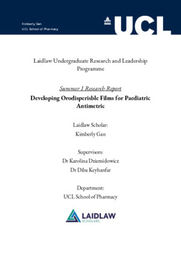
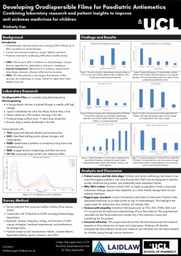
For my summer Laidlaw Scholarship research project, I explored the development of orodispersible films designed to improve the treatment of chemotherapy induced nausea and vomiting in children. Based at the UCL School of Pharmacy and in collaboration with Great Ormond Street Hospital (GOSH) in London, my project combined hands on laboratory work with direct patient engagement.