LiA Week 5: Embracing the Slow Part
"How is this summer going to shape your career?"
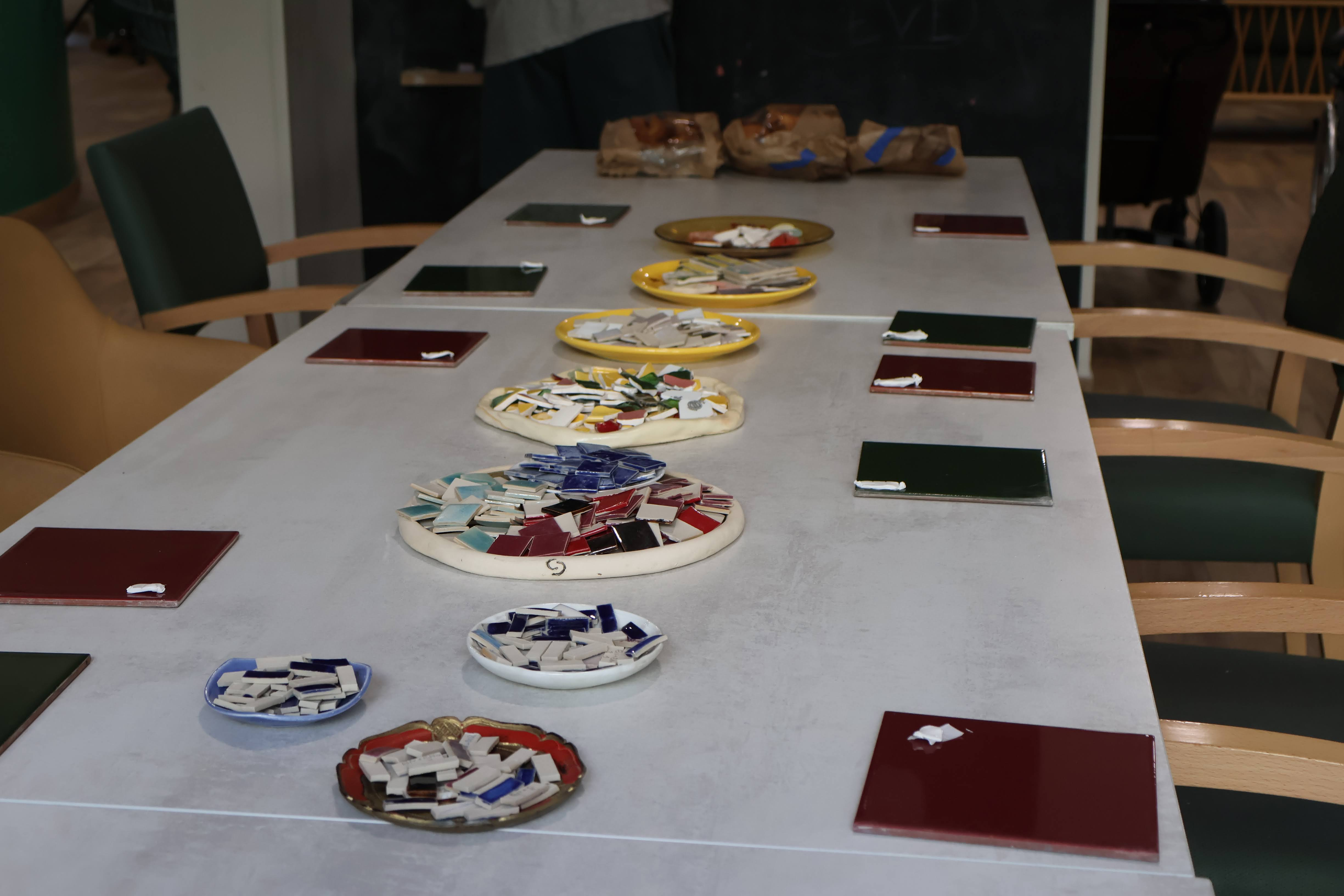
Another scholar asked this question at a reflection session this week, and my mind went blank, which is strange coming from a campus where this gets asked at least once a day. I carried the question with me for the rest of the week instead, into a room where broken plates lay sorted into piles by color and the residents of Les Jardins d'Haïti had gathered to design the mosaic that would stand in their garden.
Working beside them were volunteers from Kipawa, almost all of whom came to France in exile, and who had come to practice a language they are still in the middle of learning. My French is borrowed too, imprecise and unsteady. But somewhere in those sessions I stopped translating in my head and simply listened. They spoke about the turmoil they had left behind, and about the peculiar labor of learning a language you also need in order to live.
The residents spoke back. They had been doctors and engineers and painters. They had built things, treated people, outlived a great deal, and they had far more to say to a student with sticky tack drying on his hands than I had expected. Of everyone in that room, the only people with any real command of French were the ones in old age, and they spent it slowly and generously on the rest of us.
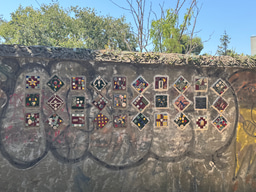
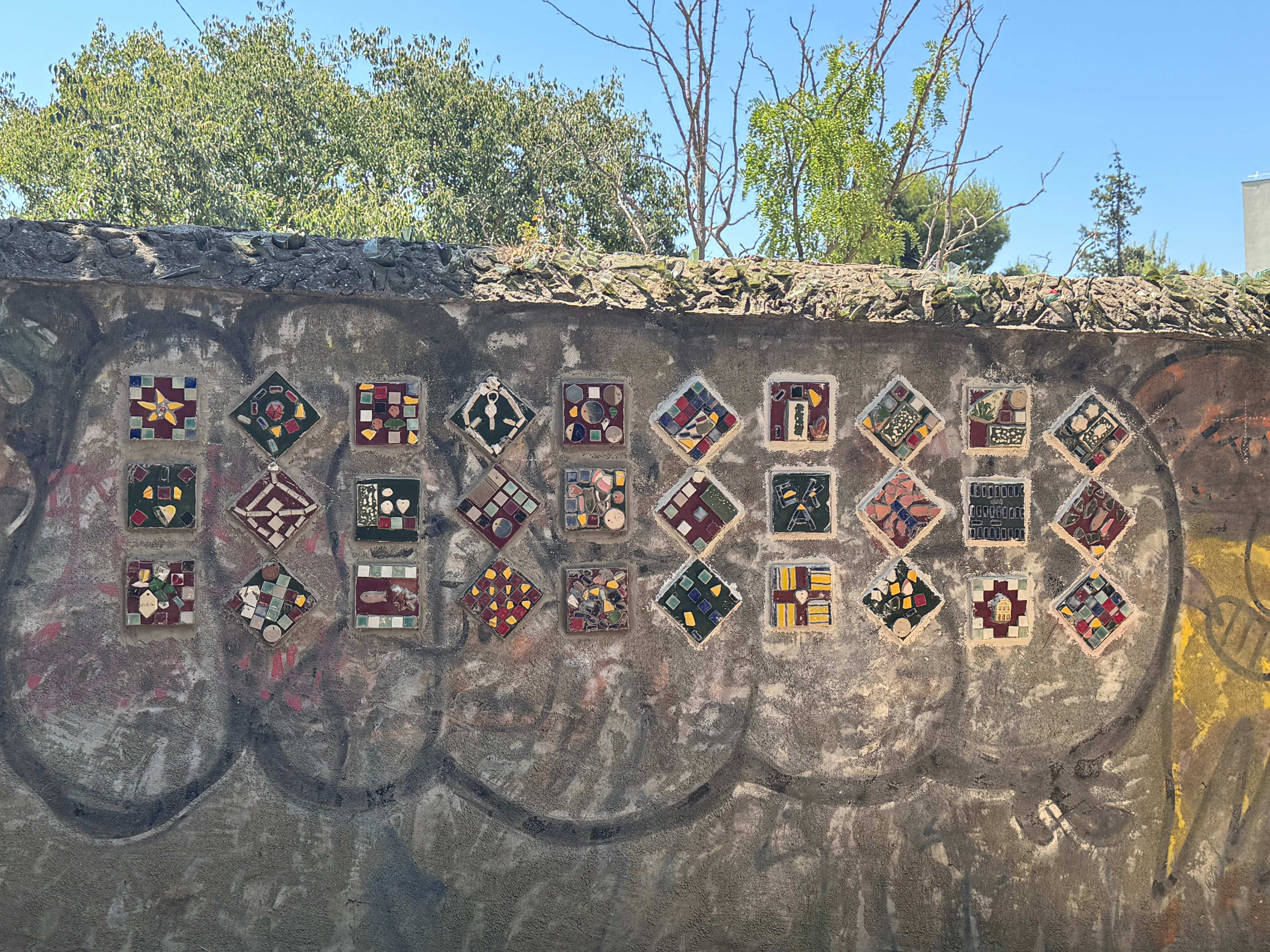
My team and I spent the second half of the week reinforcing the residents' designs and pressing them into the wall. After five weeks, the mosaic is finished!
So here is how I would answer the question now. What gives me purpose has never been the finishing of a thing. It is the slow part before it, sitting across from someone while they choose which colors of themselves to show you, and staying long enough that they show you more than they meant to. I have left every one of this week's sessions carrying more than I brought into it. This summer taught me that I want a career built around connecting genuinely with people, where the carrying goes both ways.
The mosaic was only ever the reason to slow down.
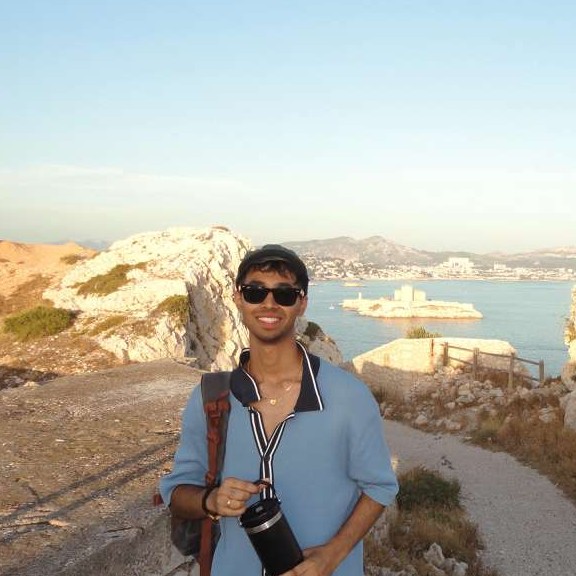
Hey, I'm Krithik! I'm a final-year student at Georgetown University and incoming medical student at Georgetown School of Medicine. I'm currently based in Marseille with make_sense and Les Jardins d'Haiti to understand how to foster intergenerational spaces and feel a little less alone together:)