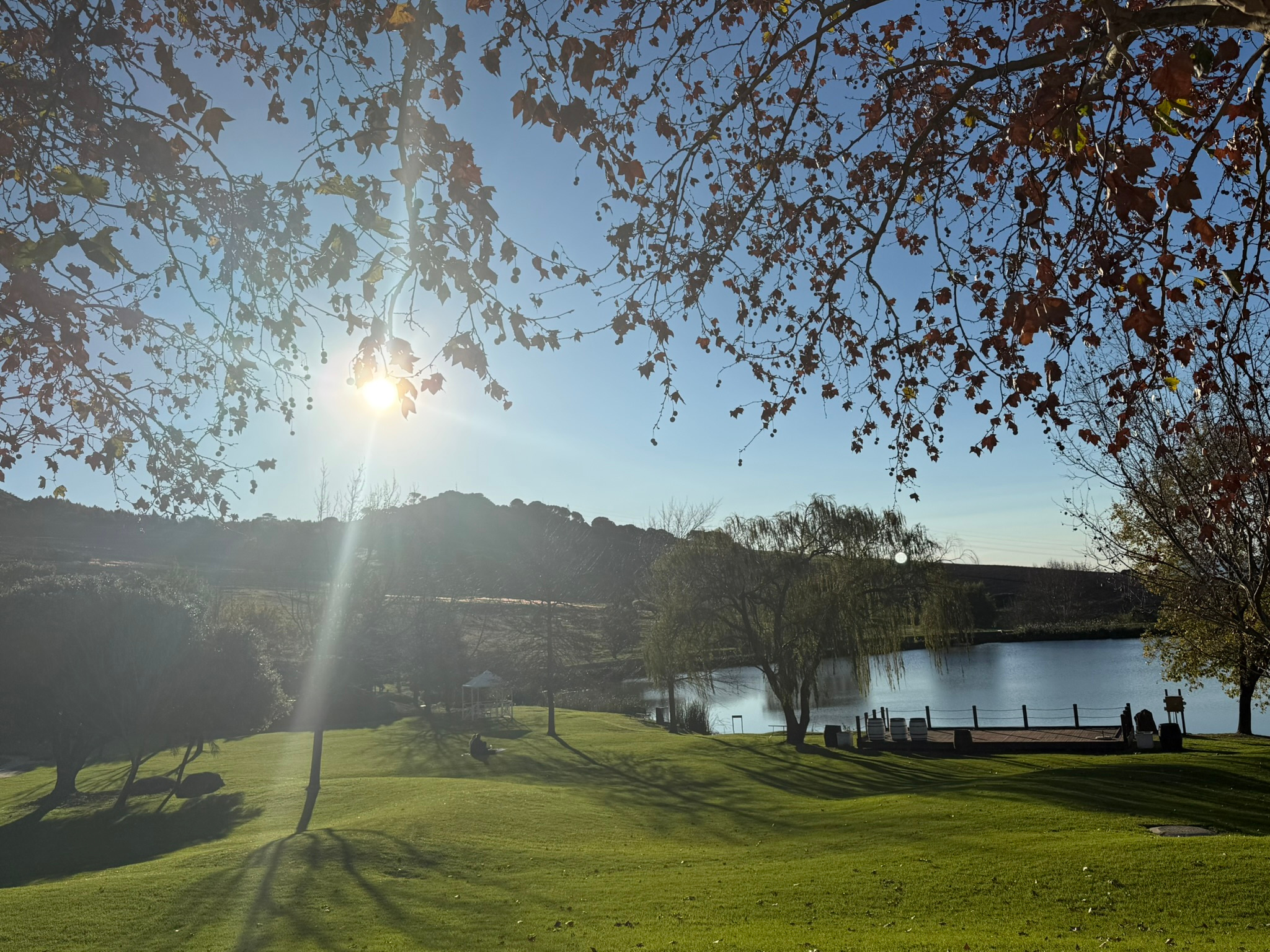

After completing a full week at SOS, I have learned so much about myself, the children, and what it means to lead as a volunteer from the U.S. Initially, I didn't have any expectations for the outcome of my program. The kids have been responding to my program in the best way possible. My main priorities were getting to know each of the personalities in my group so I can better adjust activities to fit the children’s needs. So far, they have been enjoying the sports component of my program.
For the past week, I’ve met some incredible people at SOS: staff, children, and aunties alike. Everyday before the kids play sports, I conduct what I like to call “group check-ins” to get a better understanding of how each kid in my group is feeling. I lead with a prompt: “In one word describe how you are feeling today?” The answers that I’ve received so far have been quite similar, however, the children have been responding well to the purpose of my program: equipping them with strategies to regulate emotional distress. Arming them with these tools involves emphasizing physical activity in times of anger, encouraging team work in all group activities to promote constructive communication, and lastly, allowing kids to express their anger in group circles free from judgement. The first week went smoothly, however, there were a number of disputes between kids of different ages. The exclusive nature of younger children being left out, who may not have been in my program in prior days, stems from deep fears of abandonment. I was told by staff that instead of stopping the cycle of exclusivity and abandonment, the children often internalize and project these wounds onto each other. In looking ahead, I hope that the art and creative expression part of my program allows the kids to gain a newfound understanding of each other. Despite these challenges, I’ve really learned a lot about the kids in my group and I cannot wait for next week.
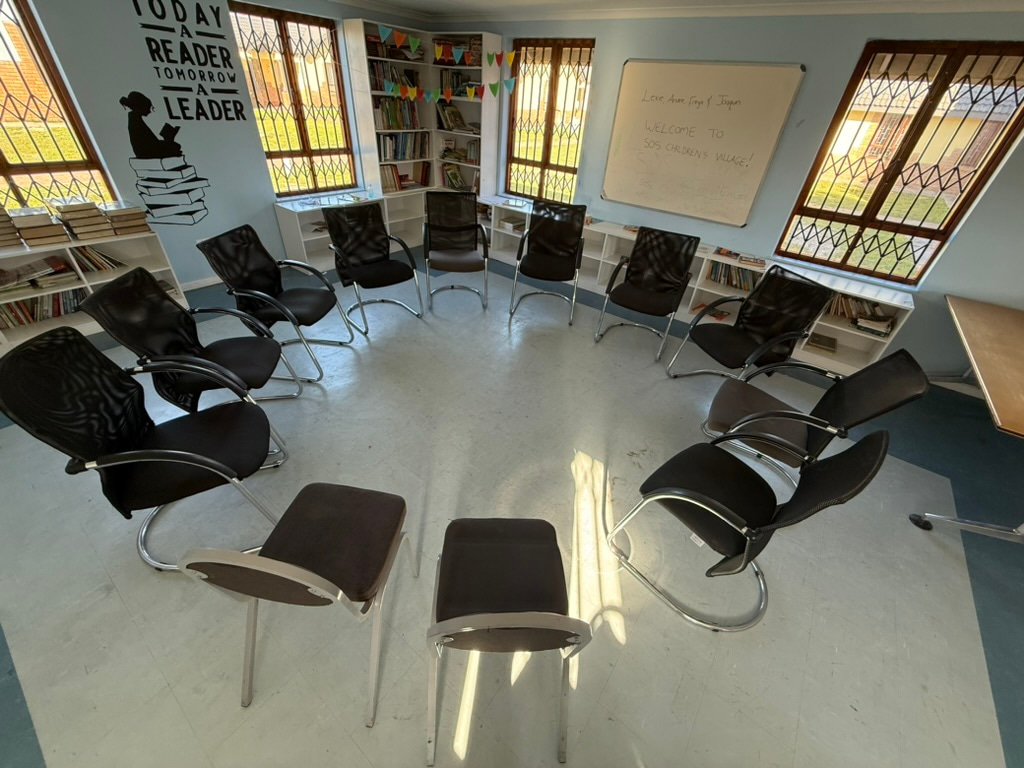
The highlight of my days have been watching the kids have fun with the new sports equipment. The chaos of SOS, while frustrating at times, has also been my greatest joy because it's within this community where I’ve established trust, care, and investment in the success of all the children. I’m very honored to have full support and trust of the aunties and kids in my program because mental health is very important and often overlooked. My internal concerns regarding the impression I leave on the children and staff have definitely quelled after my first week. However, I yearn to get some feedback for how my program can be better adapted going into the third week.
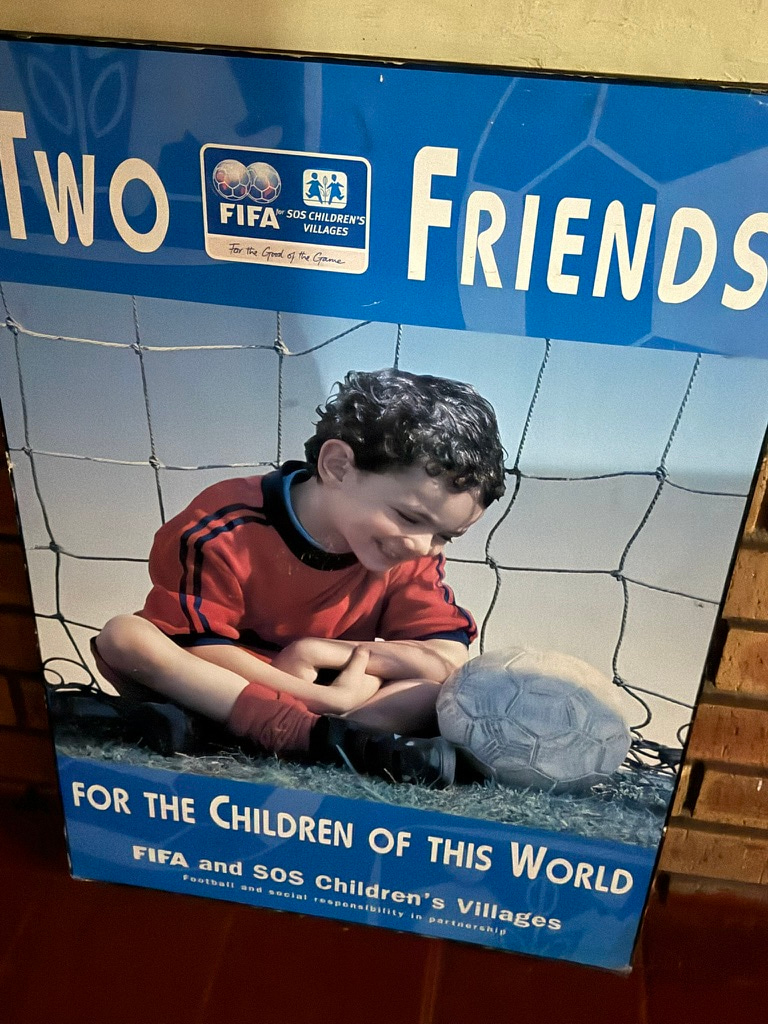
Although there have been many positive experiences this week, the foundation of SOS in Cape Town is dysfunctional at best. Prior to bringing sports equipment to SOS, the children have been deprived of not only equipment for sports, but also, basic necessities: workable shoes, holes in clothes, and access to study spaces for school. From what I’ve gathered, balls have either been lost, misplaced, or taken away by staff. This was maddening to hear because with the lack of access to sports equipment, the soccer field is full of holes and trip hazards that can cause severe injury. Additionally, the basketball court is made up of worn down concrete filled with cracks and uneven ground. I’ve had to reckon with the reality that the children of SOS are not only victims of abuse and abandonment, but are at the mercy of a system that treats them no better than cattle. I noticed an advertisement poster near the boardroom that captured the irony of SOS Cape Town: the explicit curation of adolescent joy contrasted by the obvious neglect experienced by the children in its care. This is apparent in the lack of accessibility to pencils, paper, and books that are locked up in spaces that are inaccessible when volunteer programming ends (usually during the school year when they need them most).
Basic skills often instilled in late teens and adolescence are not emphasized at SOS: expressing and processing basic emotions, navigating professional settings with grace, and settling disputes peacefully. Furthermore, there seems to be a culture of fear and violence used as mechanisms to promote discipline and obedience. While the consequences may seem minor at SOS, when the kids leave and enter adulthood they will be at a severe disadvantage not only with the lack of financial stability and family support but also with their deficit of social skills and citizen responsibilities needed to navigate the broader world safely. In reckoning with the reality that my program cannot stop what seems inevitable, I am disheartened by the ever-growing failures of the staff to provide these children with a second chance at building lives for themselves beyond the confines of SOS.
In observing the dysfunction of SOS, I understand my role as a volunteer: to make the coming weeks engaging, informative, and fun. I’m choosing to focus on what is in my control for these next couple weeks which is my attitude, program structure, and my ability to advocate for these children to the best of my ability. I’ve been really leaning on my cohort in times of need as well as extending support to those who need it. Overall, what keeps me going is witnessing the moments of joy and celebration amongst a backdrop of corruption and carelessness.
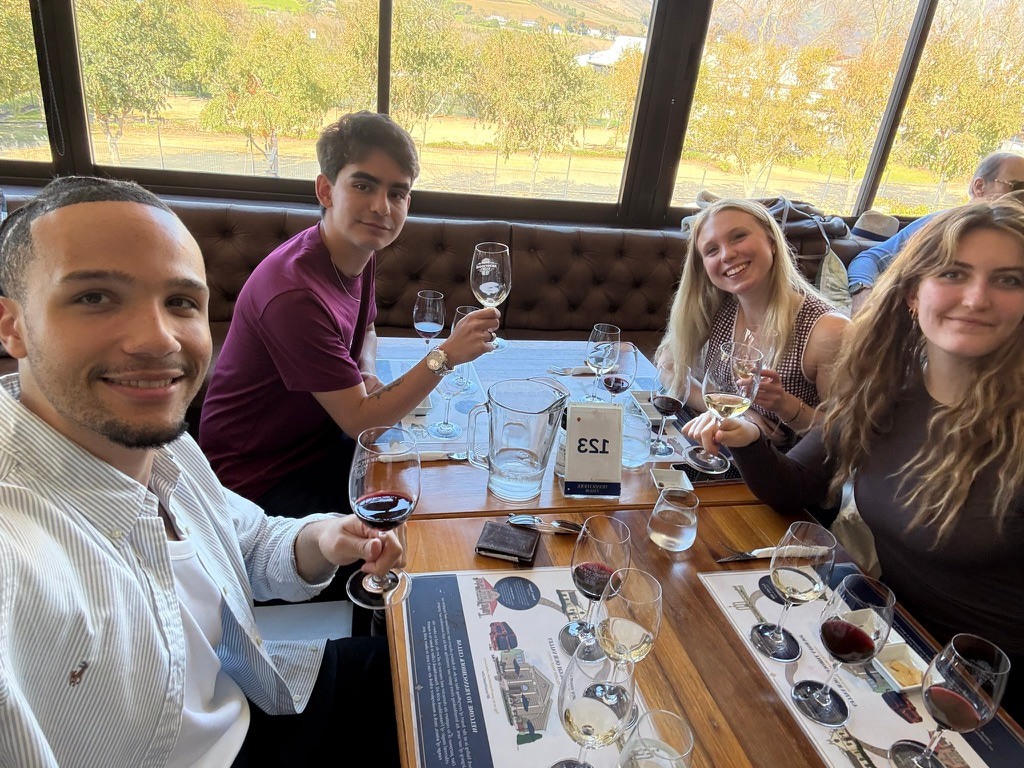
Beyond SOS, I turned 21 this week and I’m grateful to have spent my birthday with my friends. During the weekend, we went on a wine tour and visited various different wineries in Stellenbosch, Franschhoek, and Paarl. I felt very celebrated and had a lot of fun. On Sunday, we visited Robben Island and I went out to dinner with a local. I'm excited for what's next in the coming weeks with my program and my group’s progression.

Please sign in
If you are a registered user on Laidlaw Scholars Network, please sign in