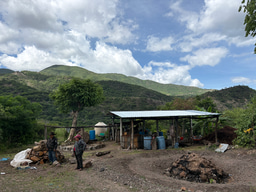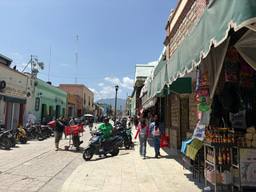
On Sunday, Richard and Sarahi picked me up from my Bed and Breakfast, and after saying goodbye to my host and new friend Lorena, we drove 45 minutes Southeast of the city to San Jerónimo Tlacochahuaya, a small Zapotec town with a population of just under 6,000. The main highway ran along the southern border of Centro, leading us further into the Central Valley. Richard and Sarahi stopped to give pesos to families along the highway, explaining that Oaxaca is a principal stop along routes from Central America to the southern border of the US where many migrants stay to work temporarily and make enough money to continue their journey.
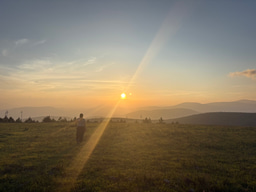
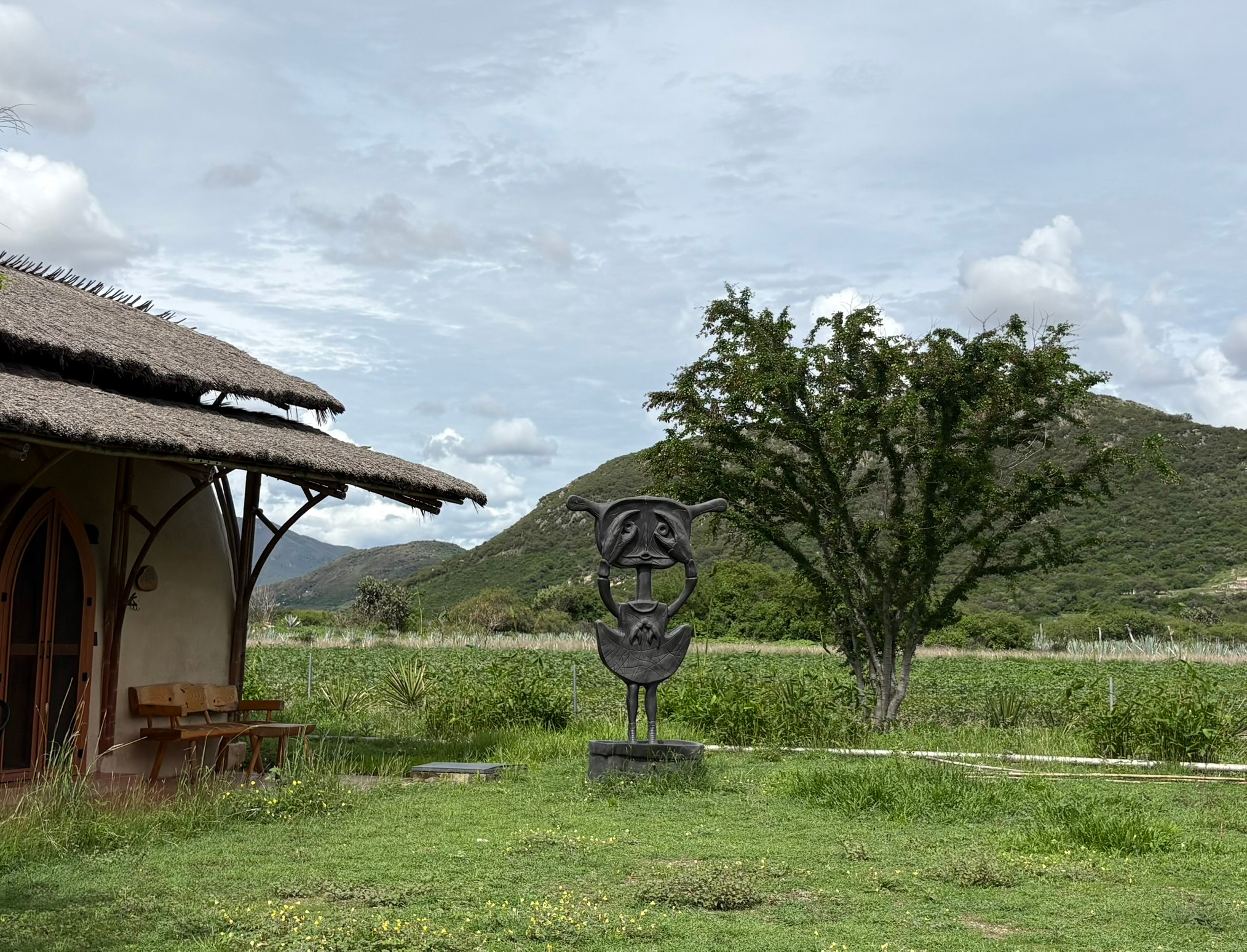
The first half of my project would take place at Tierra del Sol, a small agricultural oasis in the midst of the desert valley. Led by a man named Pablo, Tierra del Sol is a small farm dedicated to the development and promotion of regenerative agriculture techniques in order to address the rapid desertification of the Oaxacan central valley. Alongside their production of medicinal goods and natural food products made from the farm’s harvests, they host volunteers, researchers, and workshops to spread knowledge about regenerative and sustainable agriculture to farming families and communities nearby and abroad.
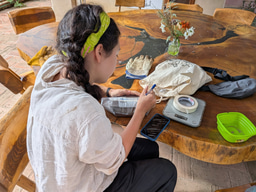
Tierra del Sol requires all volunteers to spend one week rotating through the various stations on the farm before diving deeper into their own research and interests. Over my first five days, I worked in the medicinal garden, the vegetable garden, the production kitchen, and the seed nursery, trying to understand the processes and workflow of the land.
This was the most challenging week for me, both mentally and physically. The sun in Southern Mexico was stronger than anything I had experienced, and Tierra del Sol’s farmers and volunteers cautioned me to stay hydrated and take breaks, as the sun took a toll that many visitors were unprepared for. The farmwork was repetitive and difficult, and communication was a learning curve due to my lack of Spanish knowledge. I felt a bit out of place and in over my head, trying to ask questions about the intricate farmwork through gestures and vocabulary I picked up at community lunches every day. But over time, I was able to find a groove, particularly with the help of Leonie, my German roommate and fellow volunteer who was starting her 5th consecutive week studying reforestation techniques at Tierra del Sol. By the end, I felt better prepared to begin my research with a foundational understanding of the functioning of the organization and the beliefs that grounded it.
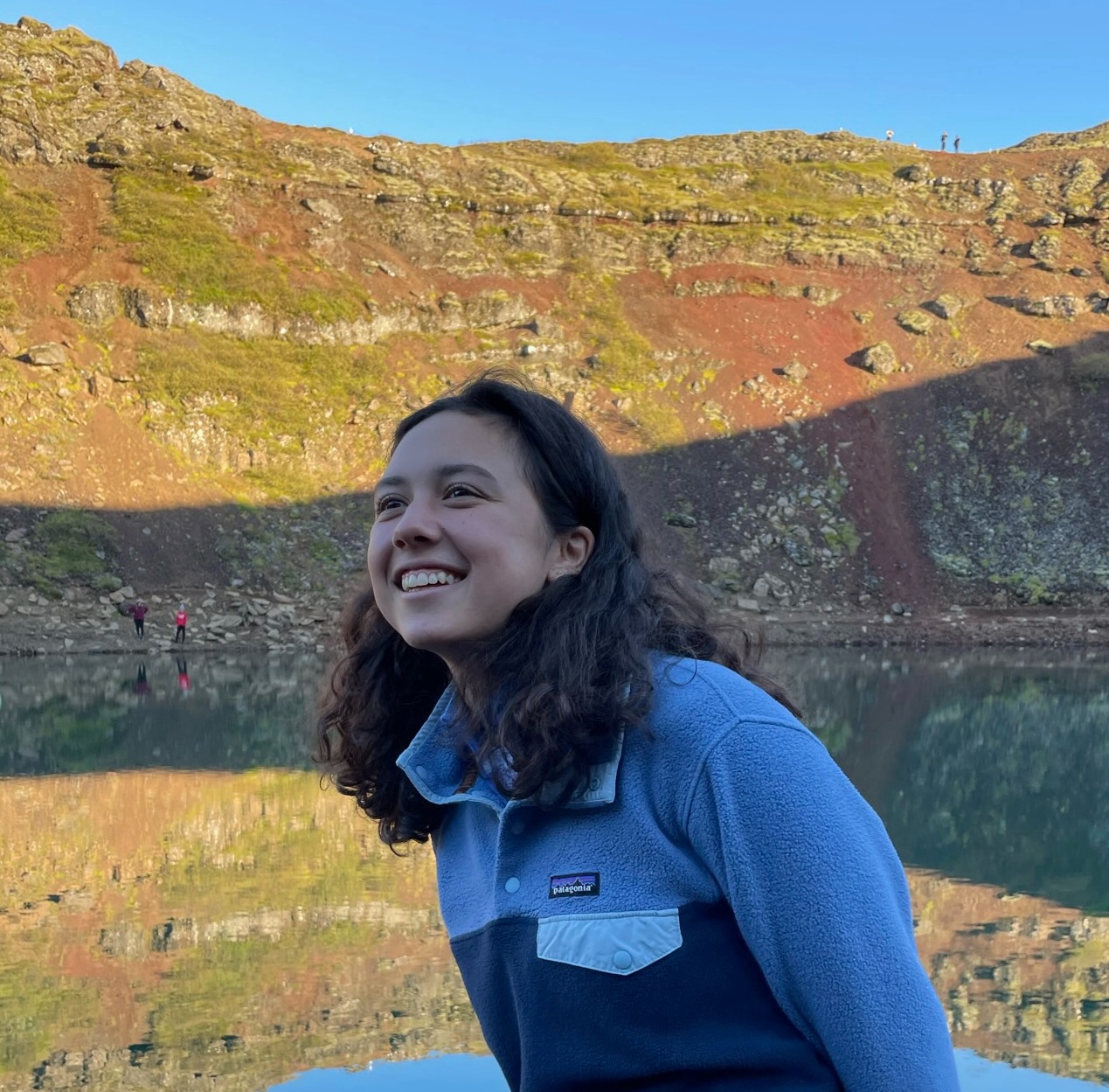
Hello! My name is Ruri Duffy and I am a rising senior at Georgetown University, studying International Politics and Law in the Walsh School of Foreign Service.
During my research summer, I am working with sociology professor Yuki Kato on an Oral History project investigating foodways in communities of color in recent DC history. Through interviews between DC youth and their older relatives, we are exploring how and why urban food provisioning practices have changed in these communities in response to environmental and social factors. I hope to connect these findings to broader discourse on food justice in the United States.