LiA Week 1: Looking Beyond the Headlines
Settling into Seoul
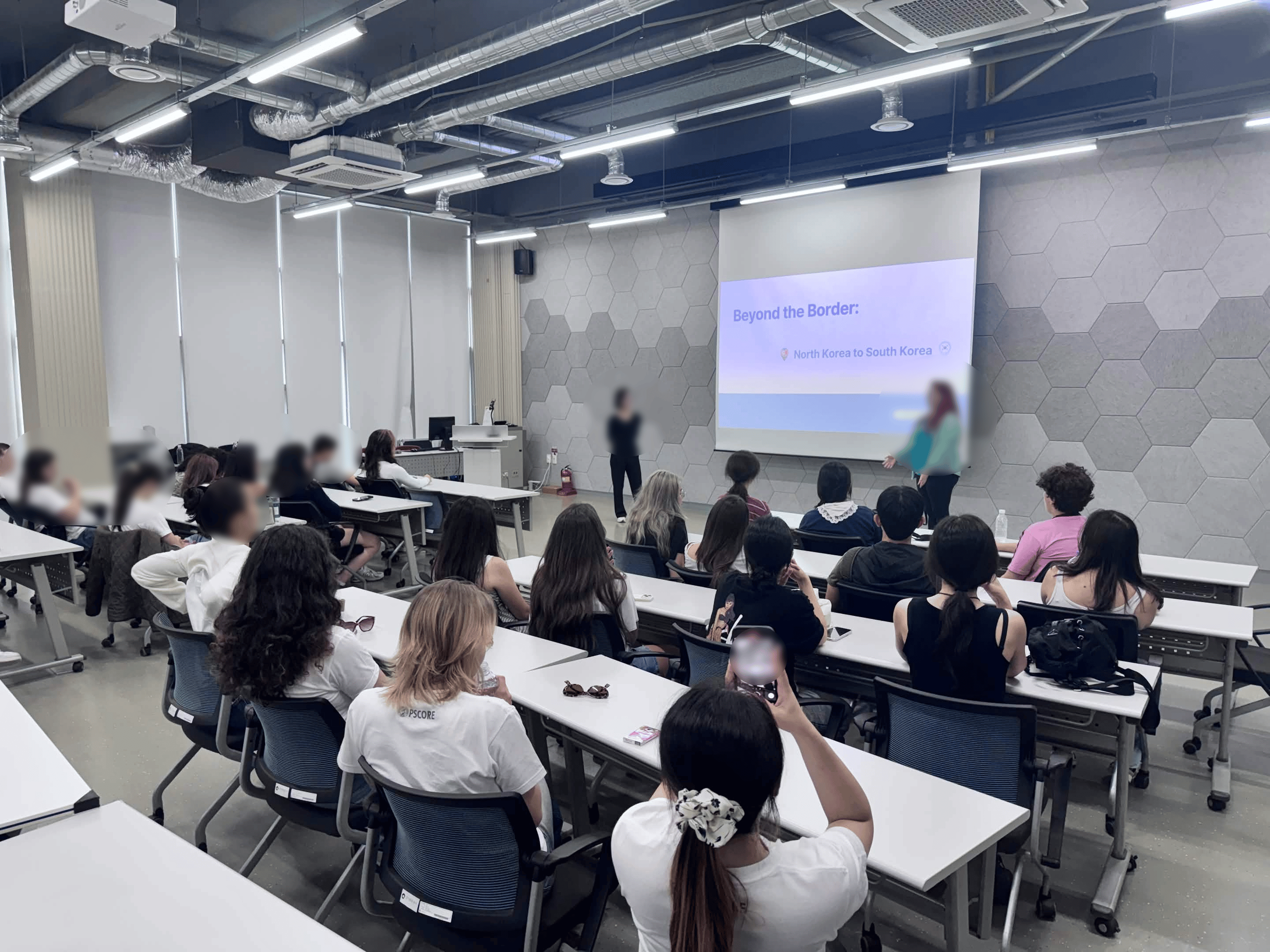
My first week in Seoul marked the beginning of my internship at PSCORE (pronounced ‘P-S-Core’). It was a busy start, with plenty of new experiences both inside and outside the office.
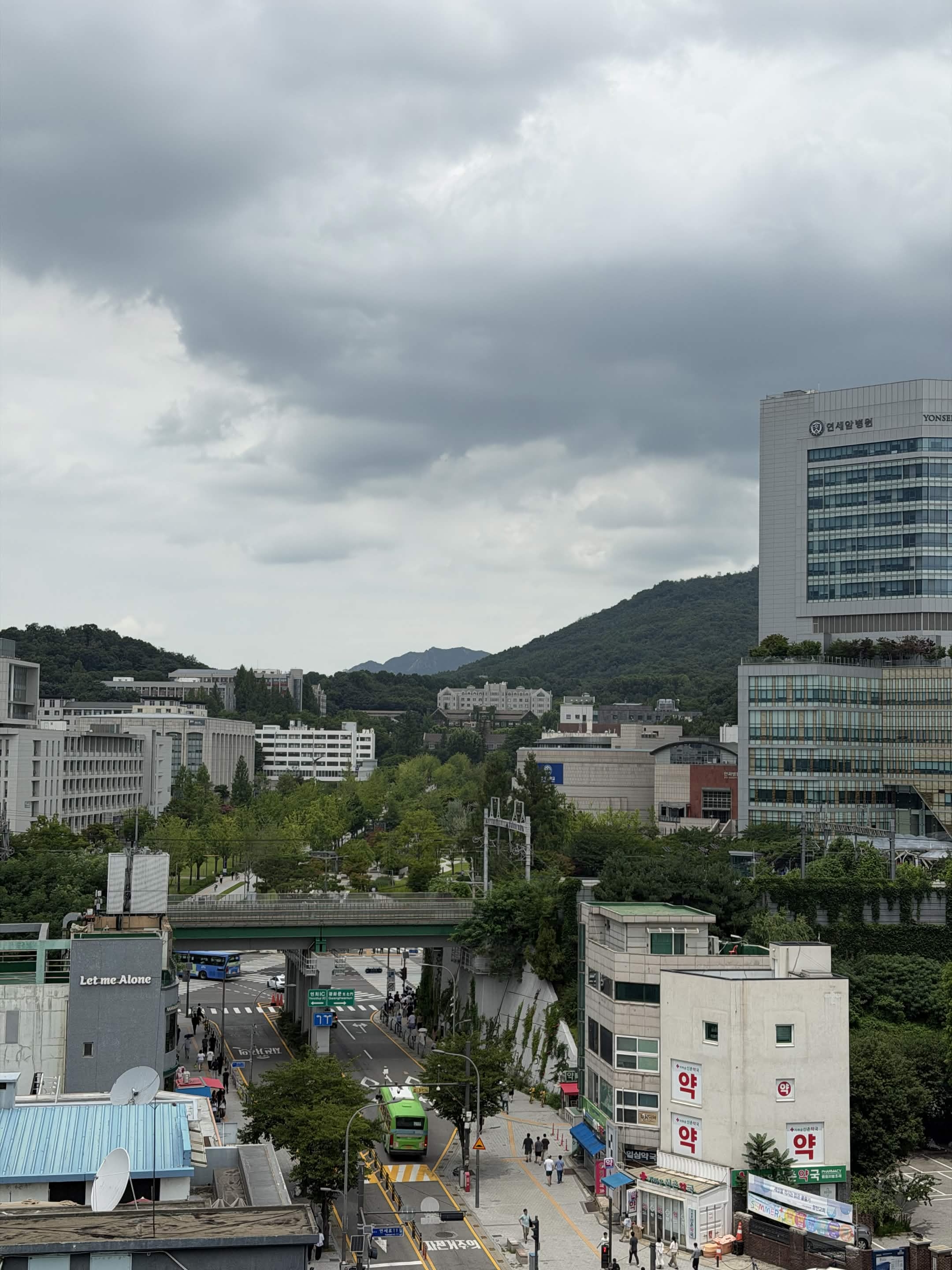
Looking back, I think I adapted quickly. Starting my internship only a day after arriving meant I was adjusting to the time difference while settling into a new workplace and routine. Fortunately, everyone here made that easy: the other interns were incredibly welcoming, my team is lovely, and I already feel comfortable asking questions and contributing.
Outside of work, I have also been enjoying living in Seoul. It is an incredibly convenient city, and I am falling in love with the food. Kimchi and pickled radish have already become firm favourites (YUM!).
Researching North Korea
My first major tasks involved researching various aspects of North Korea and creating two social-media posts: one about its relationship with international football and the World Cup, and another about its constitution and changing relationship with South Korea, specifically in relation to the changing prospects of reunification.
The football research introduced me to a side of North Korea that receives far less attention than its politics or military activity. The men's team famously reached the World Cup quarter-finals in 1966 after defeating Italy, becoming the first Asian team to progress that far, while the women's team has enjoyed far more consistent international success in recent decades. Sport offers an unexpected way to explore questions of national identity, international visibility and diplomacy.
The research into North Korea's constitution was more challenging. Information about the DPRK can be difficult to verify, and the language surrounding it is often politically charged or sensationalised. There are also many misconceptions, such as the claim that North Korea has constitutionally declared South Korea its ‘primary enemy’. This wording does not actually appear in the constitution, although it reflects the broader policy direction adopted by the Workers’ Party of Korea. I encourage you to read our post, linked above, to learn more.
This stretched my research and analysis skills, especially because I am not used to working on such a sensitive topic (my comfort zone usually involves mathematical proofs rather than historical topics). I had to be extremely careful with the sources I used and began noticing how differently the same issue could be presented depending on who was reporting it.
Arts and Crafts Workshop
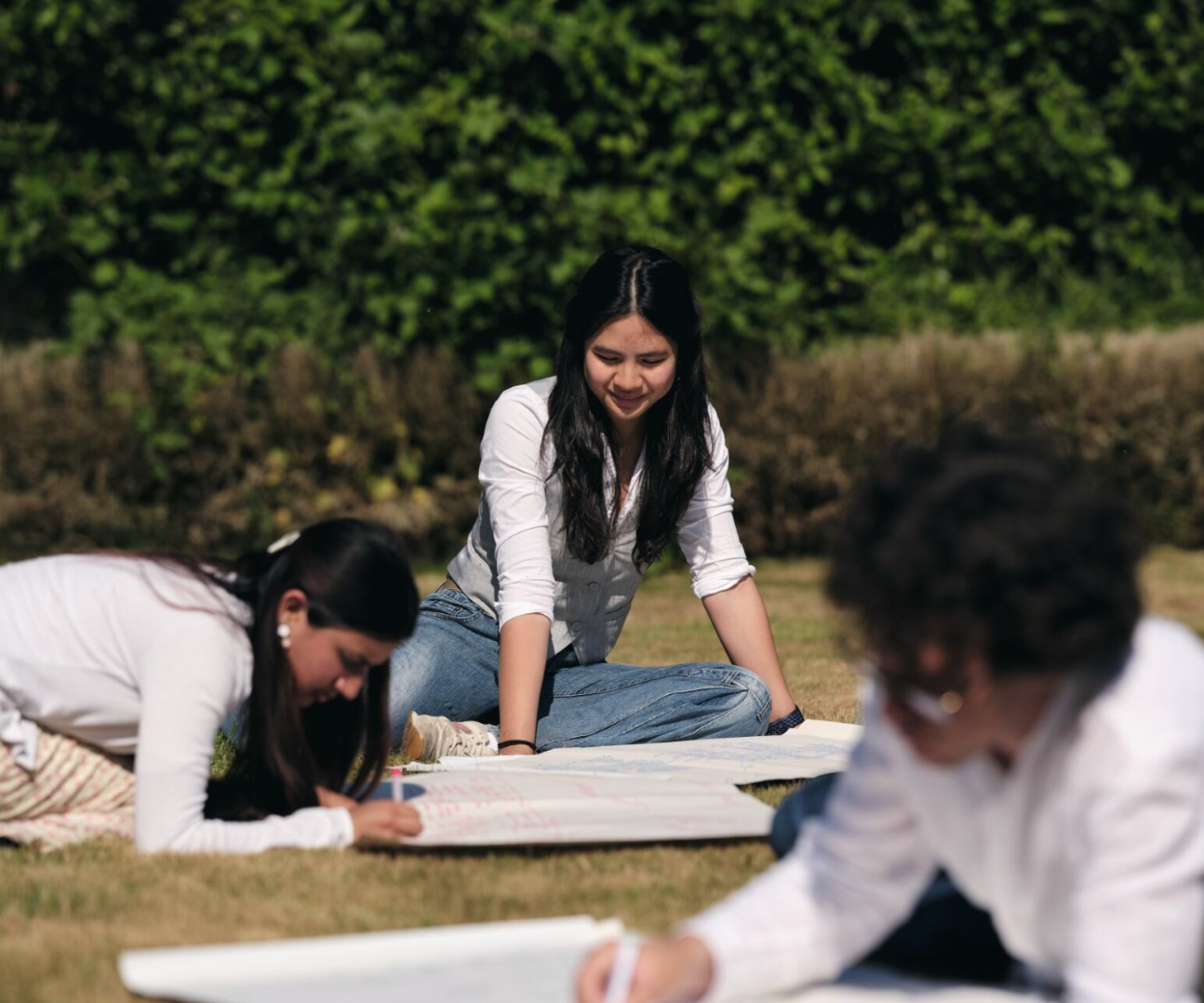
Another important experience was an arts and crafts workshop with children from North Korean defector families. Unlike some of the other events I attended this week, where my role was mainly to support and facilitate, I led the craft activity. This involved explaining the task, guiding the children through it and helping create a relaxed and enjoyable atmosphere.
It was one of the highlights of the week. I was glad the children seemed to enjoy themselves, and leading the activity helped me become more confident in explaining things clearly and adapting when needed, especially with the language barrier.
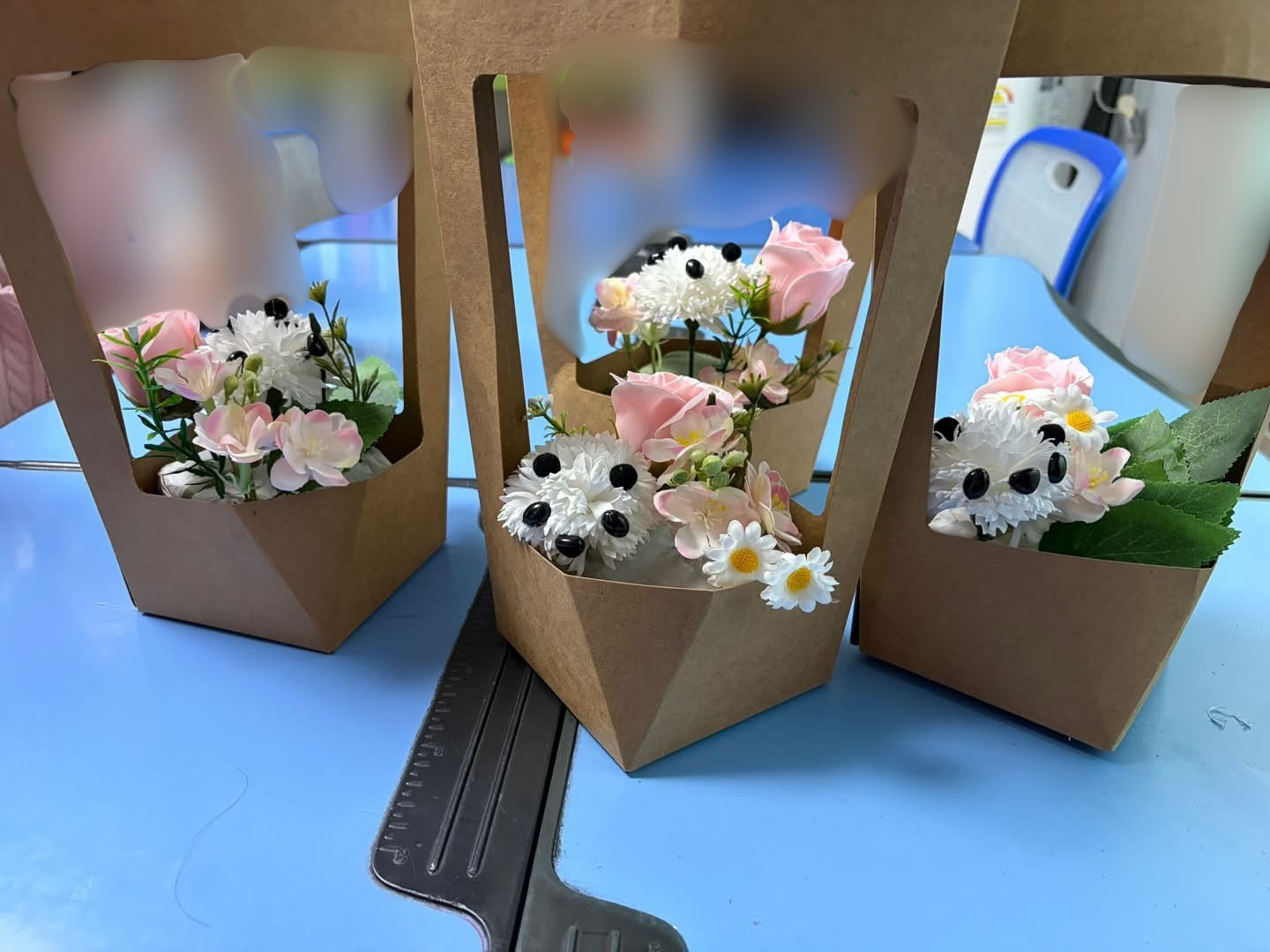
The journey there did not quite go to plan. I took the wrong bus for just one stop, which somehow resulted in me arriving around half an hour late. Although navigating a new city inevitably comes with mistakes, leading the activity meant that other people were relying on me. As much as I’d love to blame Seoul traffic, being more careful and learning to read properly are definitely things I need to work on.
Looking Across the Border
The most memorable experience of the week, however, was visiting the Demilitarised Zone.
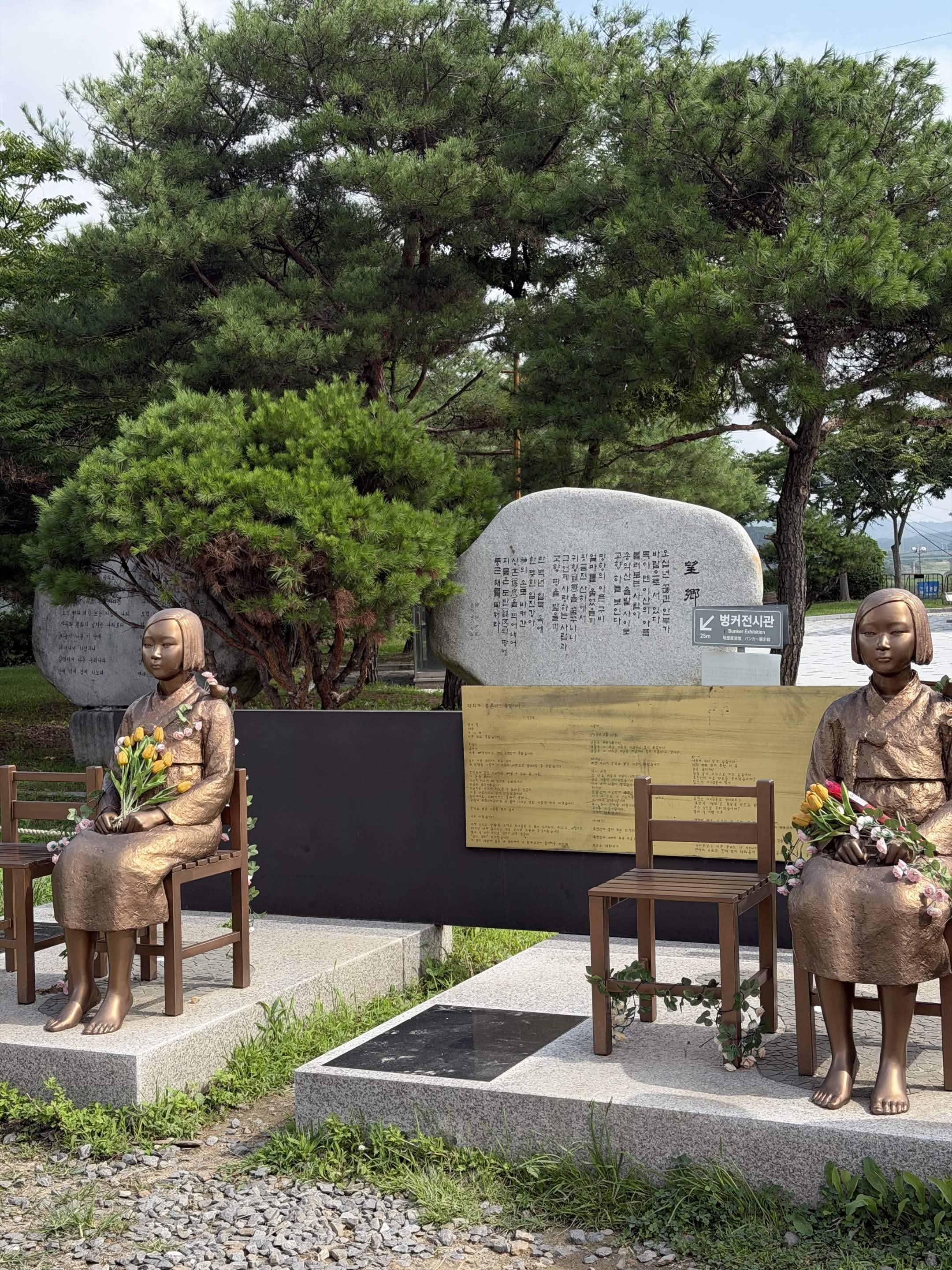
From an observatory, I was able to look across the Military Demarcation Line and into North Korean territory. In the distance, I could see Kijong-dong, which North Korea calls ‘Peace Village’ and South Korea commonly calls ‘Propaganda Village’. Even the contrast between the two names showed how differently the same place can be presented depending on which side of the border is describing it.
After spending the week researching North Korea, looking across the border made everything I had been reading feel much more tangible. Watching people work in the fields near the DPRK flag tower made the view feel strangely ordinary: despite the border and all its political weight, everyday life was continuing just across it.
Down into the Third Tunnel
We also entered the Third Infiltration Tunnel, which was discovered in 1978 (photography is unfortunately not allowed inside, but it is worth googling!). Going down into it was fascinating. Coming back up was considerably less enjoyable.
The steep climb tested my determination in a very literal way. By the final stretch, I was exhausted, but making it back to the surface felt like an achievement in itself (even if my knees were jelly).
The People Behind the History
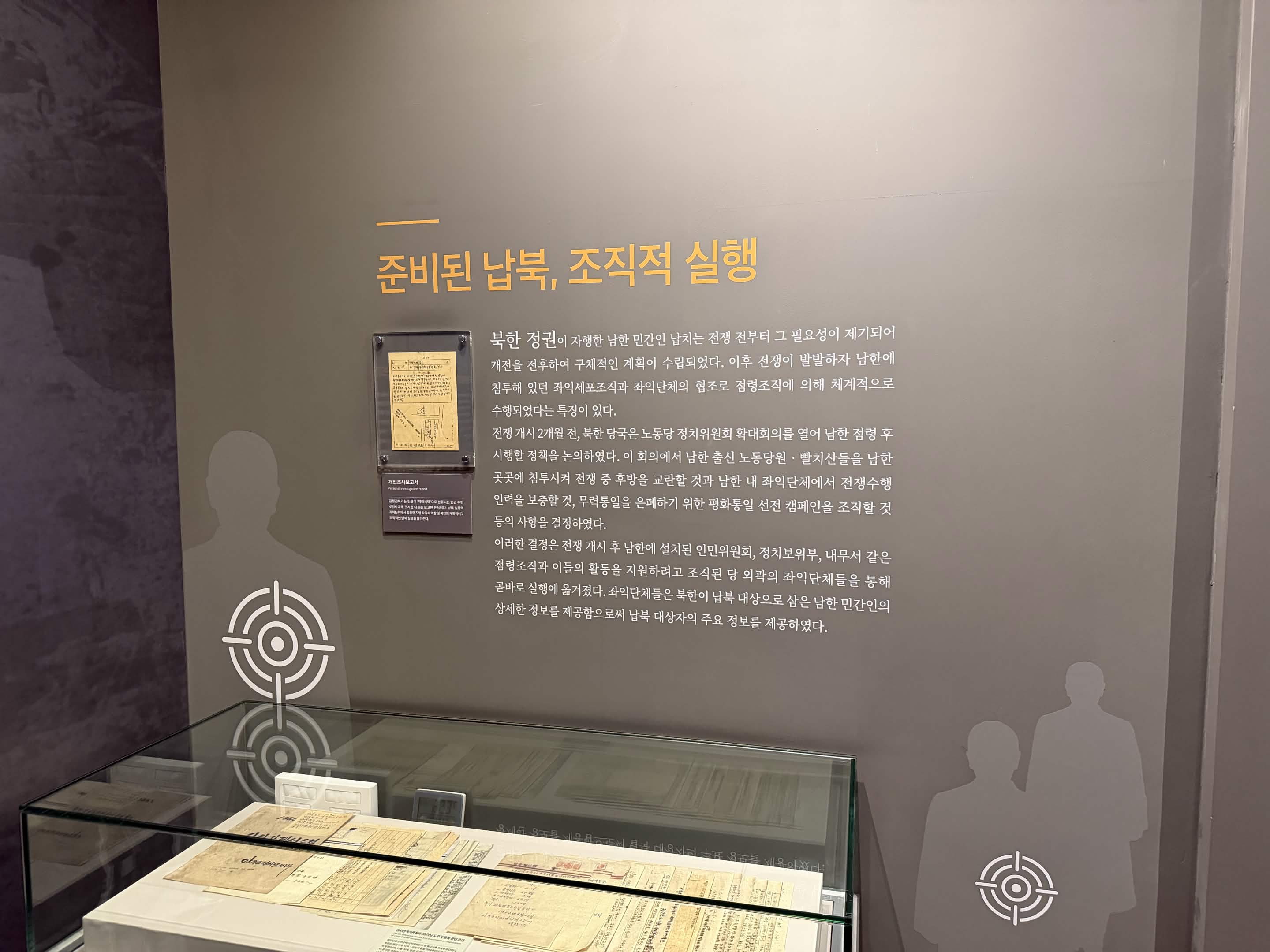
The emotional weight of the trip became much greater when we visited a museum dedicated to South Korean civilians abducted during the Korean War, between 1950 and 1953. Before the visit, I knew about the abductions as part of the history of the Korean War; the museum brought the stories of the people who disappeared and the families they left behind into much sharper focus. It genuinely made me tear up (particularly the 'Forget Me Not' exhibition) and I plan to dedicate more time to researching this topic and potentially publishing a post on it soon.
The day concluded with a talk from a North Korean defector who had escaped relatively recently.
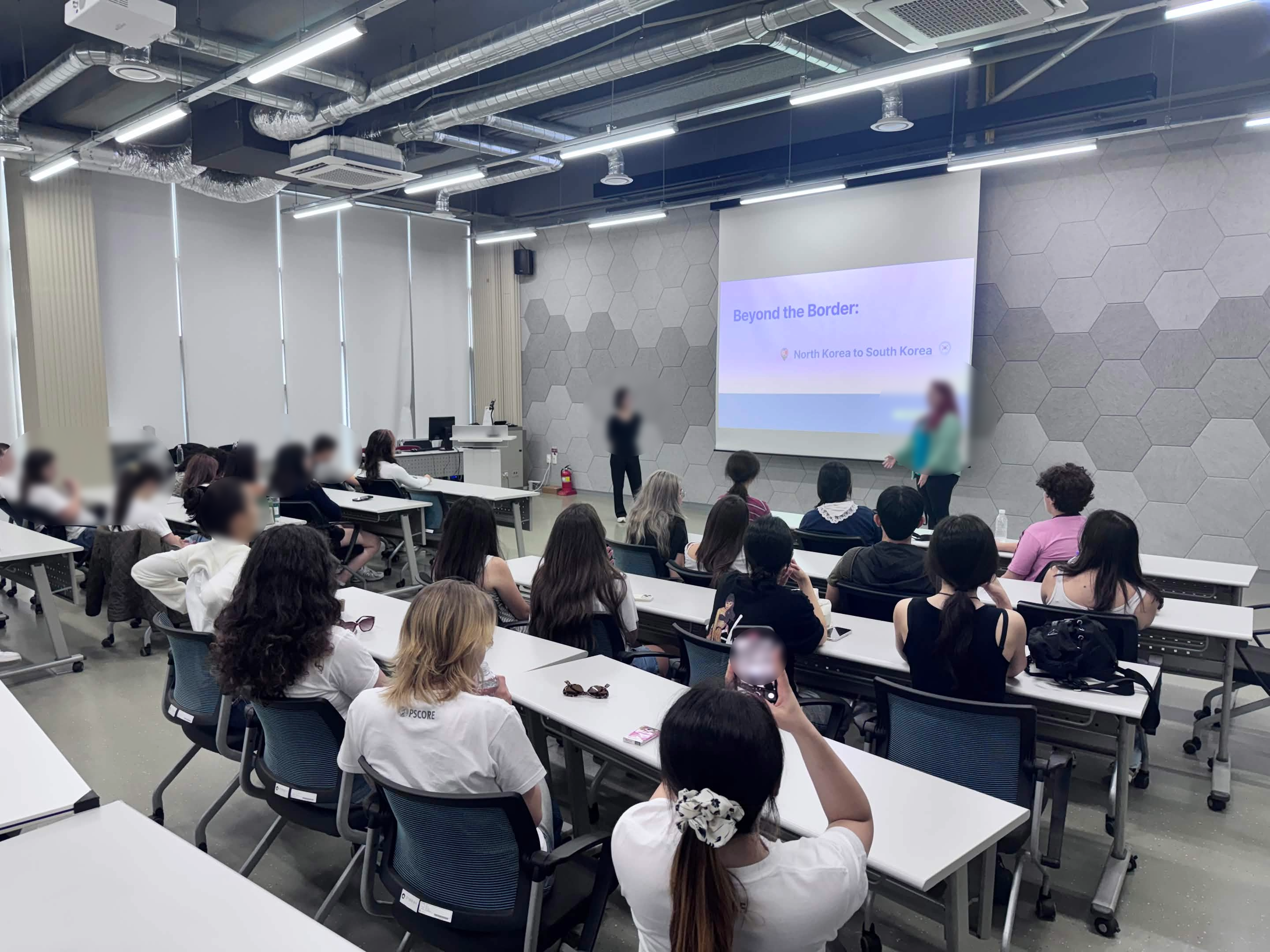
You can read about shortages, surveillance, punishment, dangerous escape journeys and separation from family, but hearing someone describe what they personally experienced is completely different. Did you know that even wearing jeans could land you in jail because they are seen as a symbol of capitalism? I learnt this from the defector and, when I looked down at my own jeans, I felt oddly grateful to be wearing them.
The defector also offered us some North Korean sweets to try. I was curious, but I have to admit they were not particularly pleasant; the texture was closer to a crumbling rock than what most of us would imagine when we hear the word ‘candy’. It was a small reminder of something I knew, but hadn't really stopped to think about: how easily I take for granted the variety and choice available in everyday life.
Hearing the defector describe these experiences firsthand made everything I had been learning about North Korea feel far more real than research alone could. Together with the workshop, the talk helped me look beyond the politics surrounding North Korea and pay closer attention to the individual lives and experiences behind the headlines.
Reflecting on Leadership
Humanity became one of the most important values in my reflection this week. I was not there as an expert, so much of my role involved listening, learning and supporting others. The workshop also showed me that leadership can mean different things in different situations: sometimes taking the lead, and sometimes stepping back, adapting and helping things run smoothly.
Curiosity and determination were also particularly visible throughout the week. Curiosity shaped my research and encouraged me to explore unfamiliar subjects in greater depth. Determination appeared in adapting quickly, completing my tasks on time and, perhaps most memorably, making it back up the Third Tunnel.
Overall, I relied most heavily on people-centred leadership skills, including communication, collaboration, emotional intelligence, inclusion and global citizenship. However, the process side of the work stretched me most. Researching complex and sensitive topics required critical thinking, careful source evaluation and an awareness that the way I present information may shape other people’s understanding.
Looking Ahead
Next week, I want to become more proactive. Because I am new, the team has understandably allowed me time to settle in, but I feel ready to take on more responsibility now. Rather than waiting for work to be assigned, I plan to ask where else I can contribute and begin suggesting ideas of my own (such as a piece on the abductees).
My first week at PSCORE connected research, leadership and personal experience in a way I had not anticipated. I began the week learning how to function within a new team. I ended it looking across the border into North Korea and listening to someone who had crossed it.
More than anything, everything I did this week reminded me that raising awareness responsibly requires both curiosity and humanity: a willingness to understand the facts while never losing sight of the people behind them.
Please sign in
If you are a registered user on Laidlaw Scholars Network, please sign in
Teo, this is a great first reflection. You bring together research, cultural adjustment, personal accountability and leadership development with considerable thoughtfulness. I was particularly impressed by your recognition that responsible awareness-raising involves not only establishing facts but understanding how language and presentation shape other people’s interpretations.
Your account of arriving late to the workshop also demonstrates genuine accountability. You resist blaming an unfamiliar transport system and recognise that leadership changes the significance of a mistake when other people are relying on you. Your broader insight - that leadership can involve taking responsibility, facilitating others or stepping back - is an excellent one.
As you continue, I would encourage you to apply the same critical source awareness you brought to the constitutional research to the experiences that felt most immediate. A DMZ tour, museum exhibition and personal testimony can all provide important knowledge, but each is also shaped by perspective, selection and context. How might you hold on to the human significance of these encounters while distinguishing personal testimony, institutional framing and independently corroborated evidence?
Your final observation is excellent: responsible awareness-raising requires curiosity about the facts without losing sight of the people behind them. That is a powerful principle to carry through the rest of your LiA.
Back on food - have you tried Bibim Naengmyeon 비빔냉면 yet? It is one of my favourites!