LiA Blog Post 1: Preparation
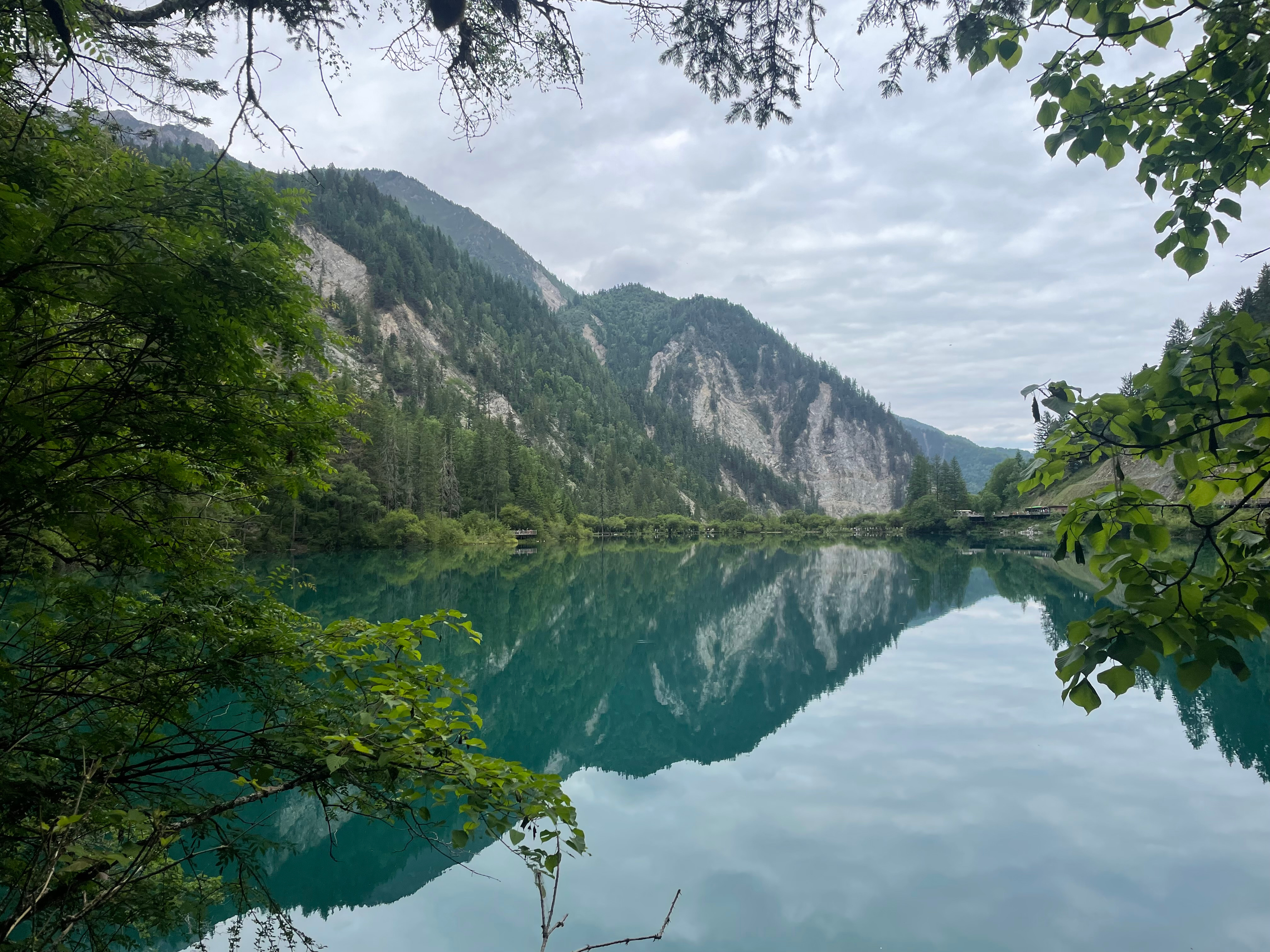

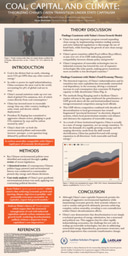
Building off my Laidlaw research from last summer, where I examined China's green transition through a political theorist lens, for my LiA I will be traveling to Chongqing (and the areas nearby) to help facilitate an environmental summer program sponsored by Green Camel Bell called the "Mountains-Beyond-Mountains" US-China Exchange & Environmental Conservation Camp. The trip is centered on educating students (middle school age) on issues related to climate change and environmentalism, with a particular focus on the national parks in the area surrounding Chongqing, including Jiuzhaigou National Park and Laohegou Nature Reserve. I am also excited to be accompanied by Ava Blum, another Laidlaw Scholar from Barnard, who will be helping out on the program as well! Leading up to the actual trip, I will be working with the organizer from Green Camel Bell, Zhao, and helping him with administrative tasks and preparing presentations on the US national park program to present to students and discuss with rangers at the national parks we visit. Below, I'll share a bit about what I have learned in my pre-trip research, and the potential issues and findings I anticipate encountering during my LiA.
Up until this year, China did not have an established national park system. Instead, it relied on 自然保护区 (nature reserves), which were often managed by multiple levels of local government and different agencies. Due to the overlapping and often uncoordinated management systems, these areas have had little to no legal protection and were vulnerable to resource extraction. However, this year, the Chinese government has recently begun implementing a new national park policy. So far, they have delegated 5 official national parks and plan to establish at least 49 more parks by 2035. While the policy does establish much more stringent national protections for these new national parks, many questions remain about the ethics of this policy. Most notably, over 70% of the land in these planned national parks are located in the Qinghai-Tibet Plateau. These regions are inhabited primarily by ethnic minorities, many of whom have already been targeted by “ethnic unity” laws and programs aimed at Sinicizing their cultures. This new policy will likely force many residents to relocate in order to “protect” the environment. I am curious to discuss this issue with the organizers from Green Camel Bell, since the majority of their work is done in collaboration with local pastoral communities in Gansu Province. Furthermore, this resettlement issue is strikingly similar to the displacement of Native Americans from their ancestral lands during the creation of the United States national park system, a topic I hope to bring some attention to during the trip.
Although the parks we will be visiting are not located in the Qinghai-Tibet Plateau region, the same question of resettlement of local people on national park land remains. For parts of the trip, our group will be staying in local homestays organized by Green Camel Bell. During these stays, I hope to speak with our hosts to learn more about how the policy has or will impact them. I am also keen to observe whether or not the environmental regulations are actually being implemented in the parks, since unsuccessful implementation of environmental policy was one of the main issues I discovered in my Laidlaw research last summer.
In a similar vein, one of the main issues I anticipate encountering on this trip is distinguishing between official, government-curated information and the reality of these environmental policies and programs. Even during the preparation process, it has become clear that Green Camel Bell must operate within an apolitical framework that avoids direct criticism of the Chinese government. From my understanding, this is standard for small grassroots NGOs in China, many of which rely on state funding to survive. To give one example, each of the students in the program is assigned a small project to work on and present out throughout the trip. However, in explaining the projects, the trip organizers made clear that no political discussions were allowed in the presentations.
Overall, I am both excited and nervous for the opportunity to engage more directly with these questions on the ground, and I hope the trip will deepen my understanding of the complex relationship between environmental policy, conservation, and local communities in contemporary China. Keep an eye out for more posts coming soon!

Hello everyone! My name is Stella Dull, and I'm a rising junior at Barnard College double majoring in East Asian Studies and Applied Math. My research interests lie in the intersection between environmental justice, political theory, and renewable energy. Last summer, I researched China’s approach to green industrial policy and their associated outcomes through a political theorist lens with Professor Alyssa Battistoni. This summer, I will be traveling to China to work with an environmental NGO called Green Camel Bell, where I will help lead an environmental educational summer program for youth.
Please sign in
If you are a registered user on Laidlaw Scholars Network, please sign in
一会儿见 :)