Learning Through Research: My Laidlaw Journey from Independent Study to International Exchange
At the start of this year, I had the privilege of travelling to Cuba to present my Laidlaw research at the 2026 Tricontinental Conference hosted by the University of Havana. This opportunity represented the culmination of months of independent research into how Lusophone African liberation movements used visual culture to communicate ideas of sovereignty, identity, and resistance during struggles against Portuguese colonial rule.
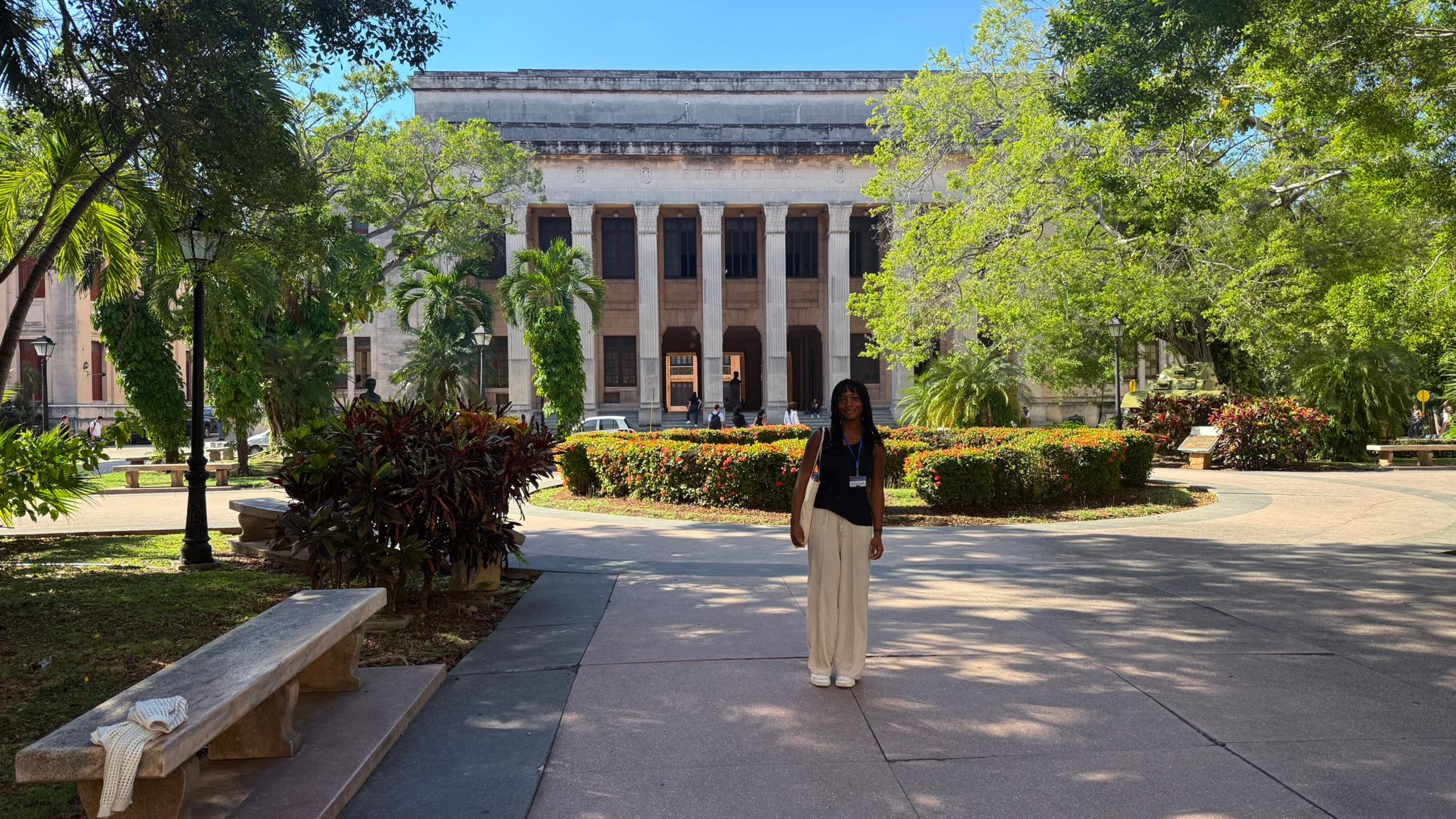
The opportunity to present my work internationally was one of the most rewarding aspects of the Laidlaw Programme so far. While research often begins as an individual process involving reading, analysing sources, and developing arguments, presenting at a conference transformed this experience into a conversation. Sharing my findings with researchers from different yet similar research backgrounds encouraged me to consider my project from new perspectives and reflect on the wider relevance of Lusophone historical research.
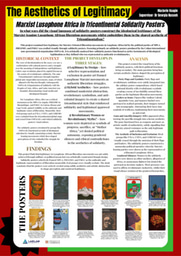
My project examined the role of visual propaganda in the liberation movements of Angola, Mozambique and Guinea-Bissau, focusing particularly on the MPLA, FRELIMO and PAIGC. Rather than viewing posters simply as political artwork, I explored them as tools through which liberation movements constructed and communicated ideas about nationhood, legitimacy and the future they sought to build after colonial rule.
During the twentieth-century struggles for independence in Portuguese Africa, political movements faced the challenge of not only opposing colonial systems but also imagining and representing new forms of political identity. Posters became an important way to communicate revo
lutionary messages and present visions of a sovereign future. Through symbols, imagery and language, these materials conveyed ideas about unified resistance and the creation of new national communities. A key aspect of my research was considering how these visual materials operated both domestically and internationally. Liberation movements were not only fighting for independence within their territories; they were also seeking international recognition and solidarity. Visual culture therefore became part of a broader struggle over representation and of who had the authority to define these nations, their histories and their futures.
The conference itself allowed me to engage with scholars and participants working on a wide range of themes connected to global politics, history and social change. Presenting my research to an audience beyond Cambridge challenged me to communicate my ideas clearly and consider how historical questions can resonate with different communities and perspectives. The experience strengthened my confidence in presenting complex research while also reminding me of the importance of making academic work accessible and meaningful beyond the university.
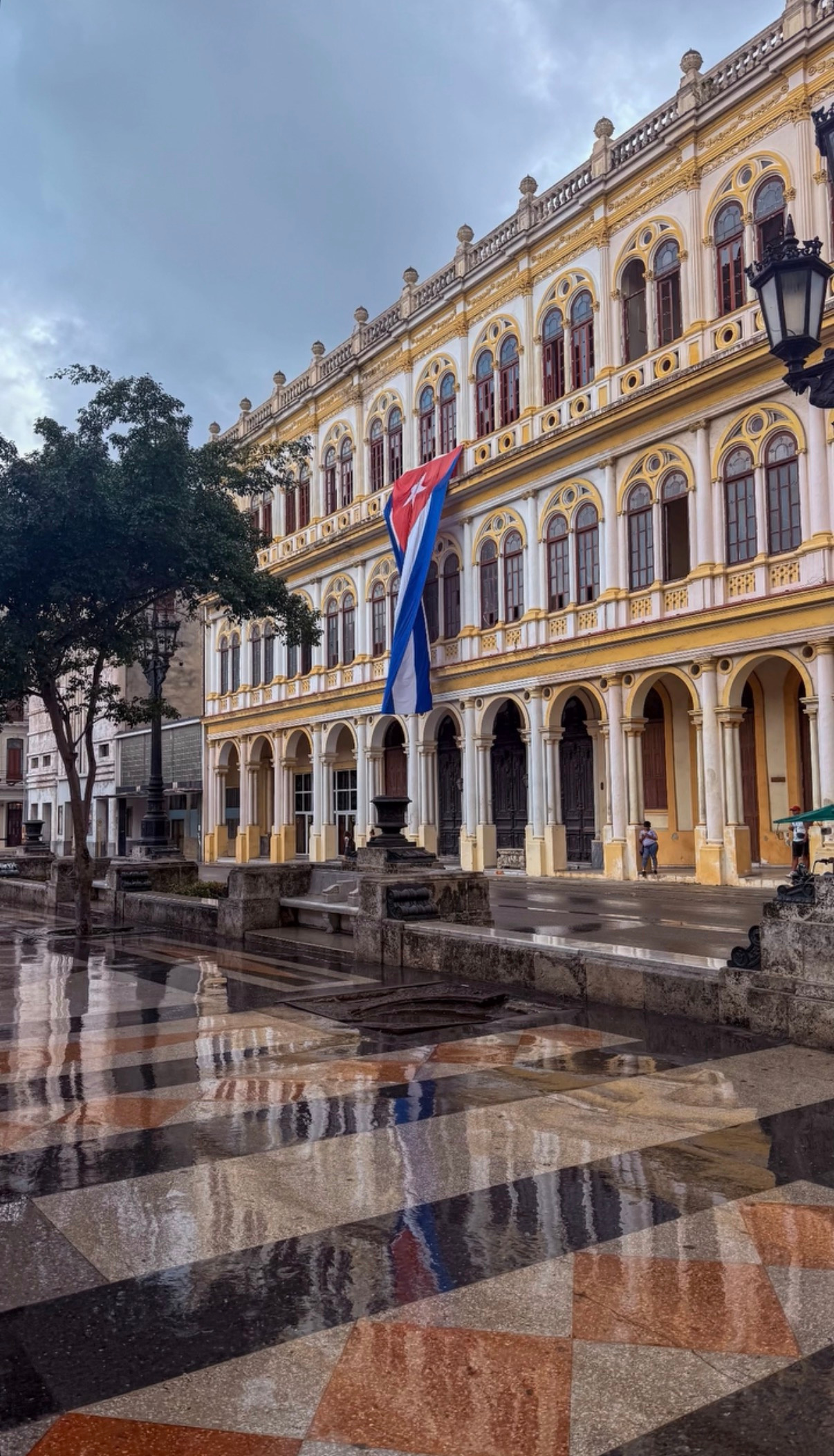
Beyond the presentation, travelling to Cuba encouraged me to think more deeply about the relationship between history, memory and political identity. Exploring Havana and engaging with its historical landscape provided an opportunity to reflect on how societies preserve and communicate narratives about revolution, independence and national transformation. It also reinforced the importance of studying liberation movements not only through political documents and institutions but also through the images, symbols and cultural practices that shape collective memory.
The Laidlaw programme was instrumental in enabling this journey. Through the process of developing an independent research project, I gained valuable skills in primary source analysis, academic writing and forming historical arguments. However, one of the most significant lesso
ns was learning how to communicate research effectively to different audiences. From developing my initial research question to presenting my findings internationally, the programme encouraged me to see research as an active process of dialogue and exchange.
I am incredibly grateful to the Laidlaw Programme, my supervisor Dr Georgia Nasseh, and my project coordinator Jane Mumford for making this opportunity possible. Presenting in Havana was not only the culmination of my research project but also a reminder of the importance of engaging with global perspectives and sharing ideas across borders.
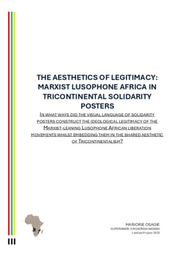
Read my research project here: https://laidlawscholars.network/documents/research-project-the-aesthetics-of-legitimacy-marxist-lusophone-africa-in-lusophone-africa-in-tricontinental-solidarity-posters