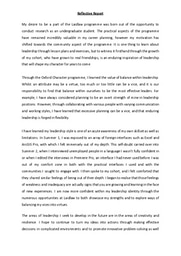
Throughout my 18-month experience as a Laidlaw Scholar, with both the lessons and events I’ve attended through Trinity and the individual leadership I’ve exercised in Sweden, I have not only gained the skills to engage as a global citizen and contribute to shared goals but also learned about myself as a leader in my own right. The most salient change I have noticed within myself is the confidence in my capacity to lead groups and initiate real change.
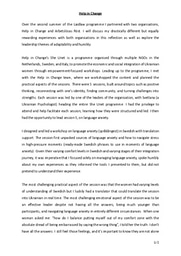
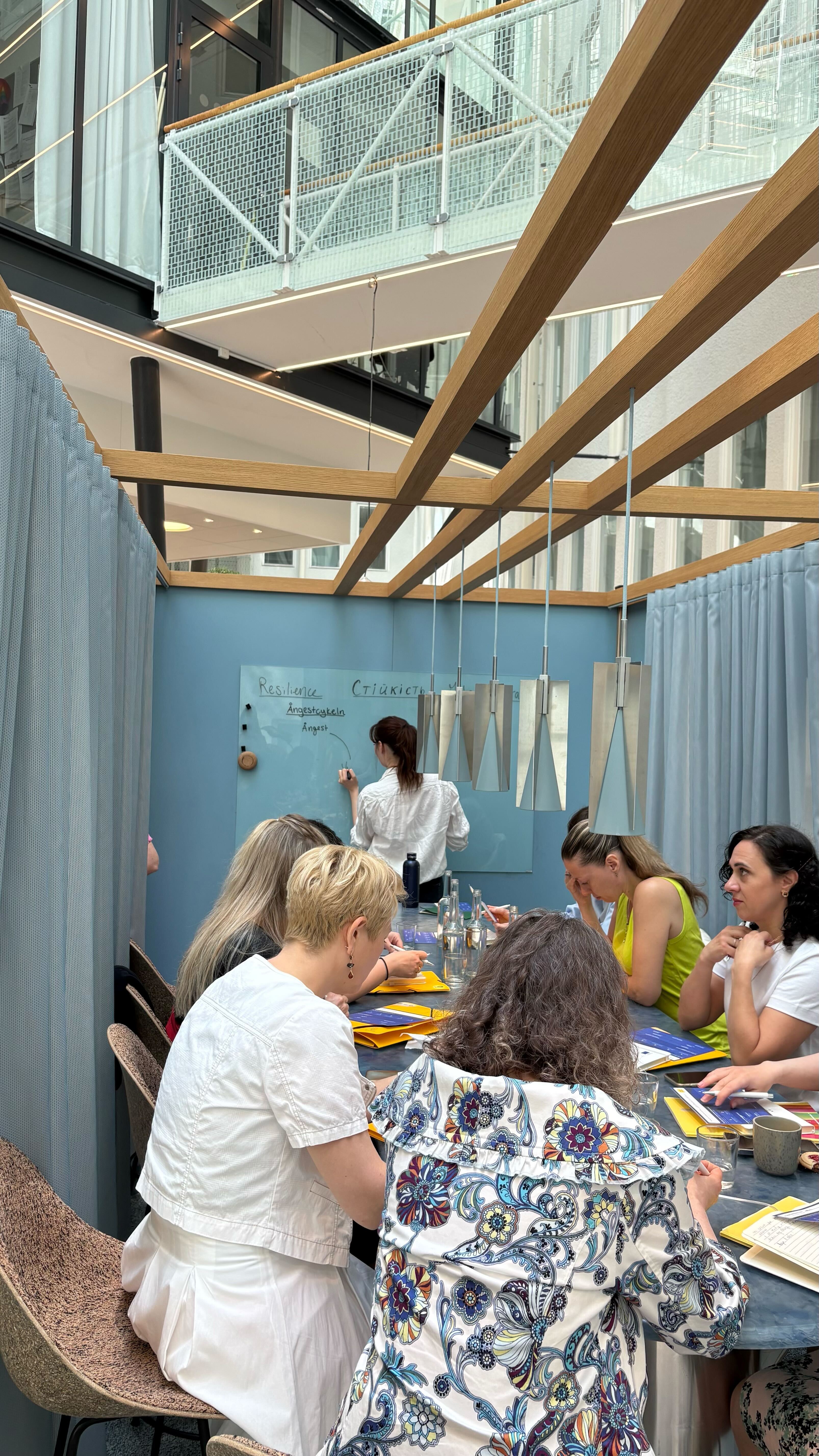
The first organisation I worked with during my second summer was called Help in Change, which was dedicated to supporting Ukrainian refugees in their integration journey within Swedish society. I built a lesson around language anxiety and how to navigate working and living life in a language you’re still learning. The most difficult thing I had to do with Help in Change was giving the appearance of someone they could learn something valuable from. I was much younger than most participants, and whilst I have struggled with language anxiety in Swedish, my journey with the Swedish language is under very different circumstances.
Another very real concern of mine was that there will be participants who might resist learning Swedish as they accept their integration journey to a country they did not choose to move to. The cultural nuances between integrating successfully and preserving their life and identity back in Ukraine, might not make learning Swedish as a positive goal they are working towards, but an additional burden on their plate. Handling this emotionally-charged integration process compelled me to employ my definition of leadership that I employed in my application video to the laidlaw programme: “sometimes leadership isn’t knowing when to lead, it’s knowing when to sit back and listen to the group you’re leading".
I spent weeks with these women leading up to my session, learning about their lives and personal struggles, and even spoke with the leaders of the organization (all of whom were also from Russia/Ukraine) and discussed how their language anxieties materialised.
A desire to reach a well-rounded understanding of the communities I was interacting with even before I stepped into leadership roles was moreover developed by listening to people rich with experiences that I knew nothing about at Arbetslösas Röst. At this organisation, I interviewed people who have been long-term unemployed in Sweden and made several videos for their social media as a part of their awareness campaign leading up to the September election. Although I was technically leading the project to raise awareness about unemployment, it was the courage of these people that built the narrative I could utilise for the campaign, not my own voice or vision. It is more important now than ever for leaders to understand their power comes from the people they are leading, and the most effective leaders understand that their role is to guide collaboration with open ears and an open mind, rather than taking control over an initiative.
While working on my second summer project, I learned that my determination to be successful was achieved in listening first, instead of leading with a strong initiative; this way I was able to fuel creativity in the ideas that were vetted by the communities I was leading. I therefore designed my lesson plan around many hours of research around how language anxiety manifests itself and proven tools to help cope. Through being an attentive leader, I developed my skills of listening, collaborating, and attention to detail. My leadership style is moreover versatile; I am comfortable with responsibility and coordinating across a large group of people to ensure everyone does their part, but I am also happy to take a step back and look to others for instruction without feeling the need to control the situation.
I will carry the skills I’ve gained as a global citizen by continuing to lead with open ears and an open mind instead of an open mouth. I have grown to accept my own displays of change-maker values of curiosity and daring to ask difficult questions and put myself in uncomfortable situations in attempt of human connection and better understanding of lives and hardships vastly different from my own.
From meeting and collaborating with women who have survived the Ukraine war to Swedes that have been dealing with the shame of unemployment, I have developed the humble understanding that the more I learn about the world and its citizens, the more I bear witness the singular human experience: we all share the same anxieties, hold the same shame, and fight our own burdens with the privileges we were born with and the tools we were taught along the way. I will continue to lead ethically with the understanding that we are infinitely more powerful as a collective.
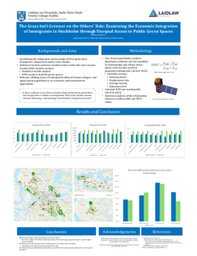
Hello! I'm Milla, a rising third-year student at Trinity College Dublin! I am originally from Sweden, but grew up in Seattle! As an Economics major and Political Science minor, my passions are rooted in macroeconomic policy in relation to immigration and environmental justice.
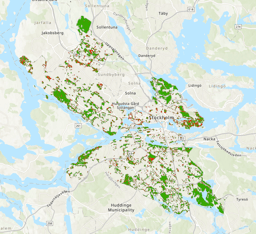
As such, my research seeks to contextualise the shortcomings in the economic integration of immigrants in Stockholm through an analysis of respective wealth profiles between first-generation immigrants and native Swedes. It additionally cross-references the economic evaluation to their relative access to quality green spaces, assessing the sophistication level of integration as it pertains to public goods.
I am excited to connect and learn about all the fascinating research conducted by my fellow Laidlaw scholars! Feel free to reach out-- I'd love to connect!