Integrity, Courage and Hope: Initial Leadership Training Reflections
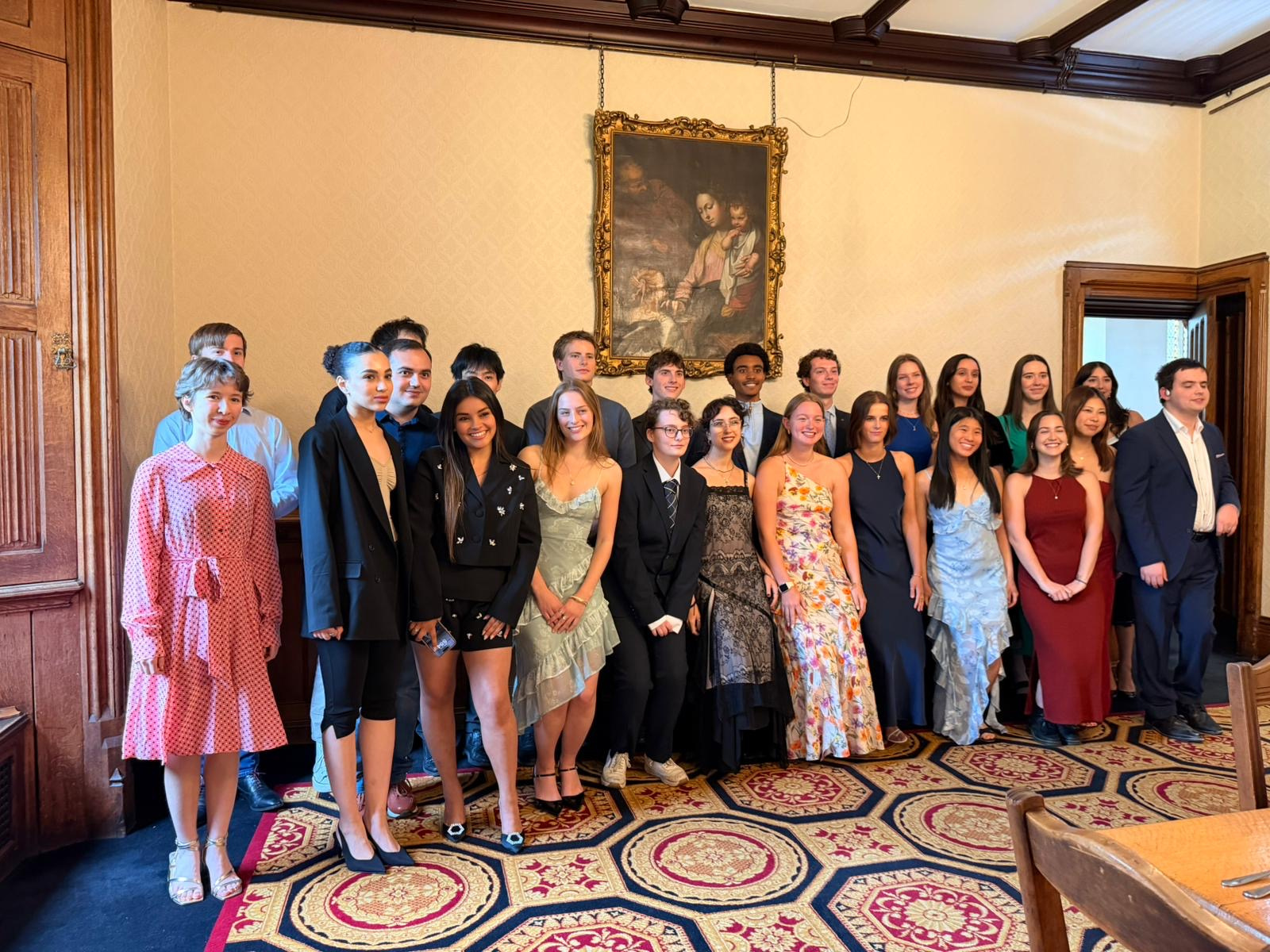
Over the last two weeks, I have taken the first steps in my journey as a Laidlaw scholar, undertaking Leadership Development sessions, the Durham and Global Inductions, and a two-day Leadership Residential. And I am pleased to say that my key takeaway from these initial sessions is one of hope; that rational optimism for our society, albeit not blind hope, is perhaps not as naïve as public mood might have us believe.
We began with cohort introductions, one of my first opportunities to meet the exceptional people who I am privileged enough to get to work alongside. Before long, we were discussing the importance of integrity, compassion and courage within leaders, themes which would arise repeatedly throughout the coming days.
Then came the Global Induction, with opening remarks from Susanna Kempe. I was struck particularly by her comment about the power of intellectual curiosity in a world increasingly driven by AI. As a modern languages student, one of the most frequent questions I get about my degree is sadly whether it is truly useful, given AI-powered translators are improving so much. I have always replied that humans are capable of producing much more culturally informed and sensitive translations, however I was grateful that Kempe so powerfully and optimistically reinforced this for me; our curiosity and emotional intelligence is what sets us apart from AI, both in my field and every other.
The next week we undertook our Leadership Residential at Ushaw College with Guy Richardson from EIGER Performance. The importance of integrity and moral courage in leaders, individuals and institutions arose again; subsequent discussions were undertaken with what felt like a genuine desire to put into practice these values, as opposed to with cynicism over their application amongst contemporary leaders. It may be a small thing, but it really reinforced how grateful I am to now be part of this community which helps me believe that change really is possible.
During our sessions we also had to pleasure to be joined by Matete Madiba, Deputy Vice Chancellor at University of the Western Cape, who delivered what we all agreed to be a truly inspirational speech at our formal dinner. In our discussions on how to uphold integrity earlier that day, we had talked in depth about how we must lead by example, holding ourselves to the same standards and values that we ask of those we lead. However I found Matete’s insights some of the most perceptive and hopeful of the day. Personally, cynicism can be quite easy to fall into when necessary change feels so systemic, so radical, and so huge. Matete helped me to shift my mindset here. She emphasised the power of the individual in creating change; perhaps if we each have the courage to maintain our integrity and hold ourselves accountable to the same values we want our leaders to uphold, we can lead from example from the bottom up, not just wait until we can lead from the top looking down. This is perhaps one of the most hopeful views on change I have heard yet, and really epitomises what I see this journey as being about.
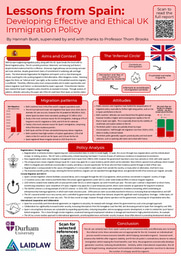
On a more practical level, our sessions with Guy also covered project management and planning, at the crux of which seemed to be goal-setting. It was interesting that at the start of our group’s project-planning exercise, we were given a problem and immediately started brainstorming ways of fixing it, which personally left me overwhelmed with an abundance of ideas. Realising this, we backtracked and set about creating specific, measurable goals; we were then able to use these to decide on the best course of action, which felt a lot more manageable and effective. Given that I had identified creative problem-solving one of my weaknesses at the start of the sessions, I am pleased that, armed with this new goal-setting strategy, I feel more confident about tackling big problems and projects in the future. I am particularly hoping to implement this during both summers on the Laidlaw scholarship, beginning today as I start my research project comparing recent immigration policy in Spain and the UK, where we have today seen yet another change in the political landscape with of the resignation of our Prime Minister - I look forward to seeing what other twists and turns await...
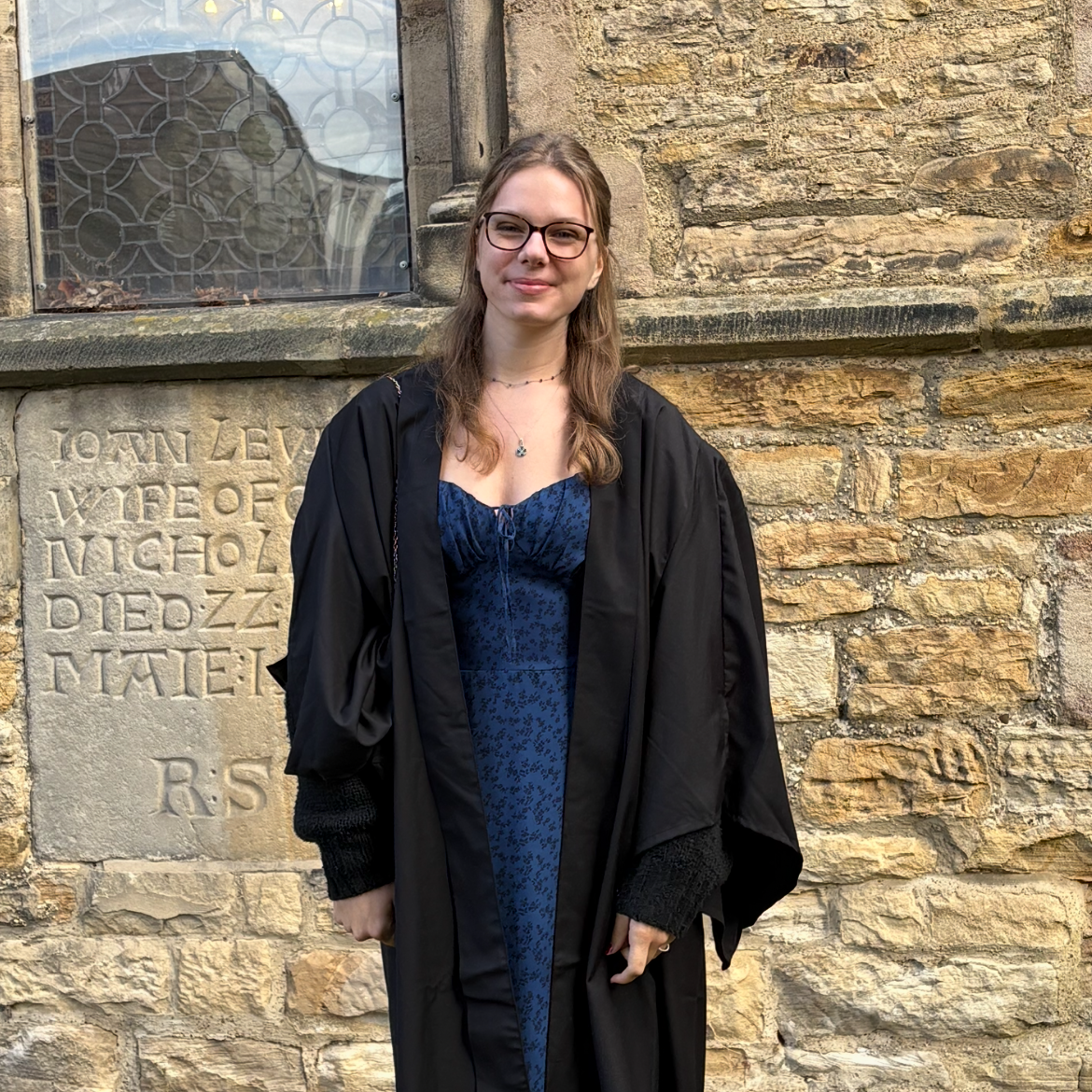
Hello! I am a first year undergraduate student at Durham University studying Modern European Languages and Cultures, including advanced Spanish and ab initio Italian.
I believe that the intersection between languages and culture, politics and peacebuilding is hugely important in a multicultural but increasingly divided world. I am therefore passionate about using my skills for good, especially through my research project into ethical and compassionate immigration policy.
I'm really excited to work alongside the 2026 scholars!