"Identity is the Most Human Trait"
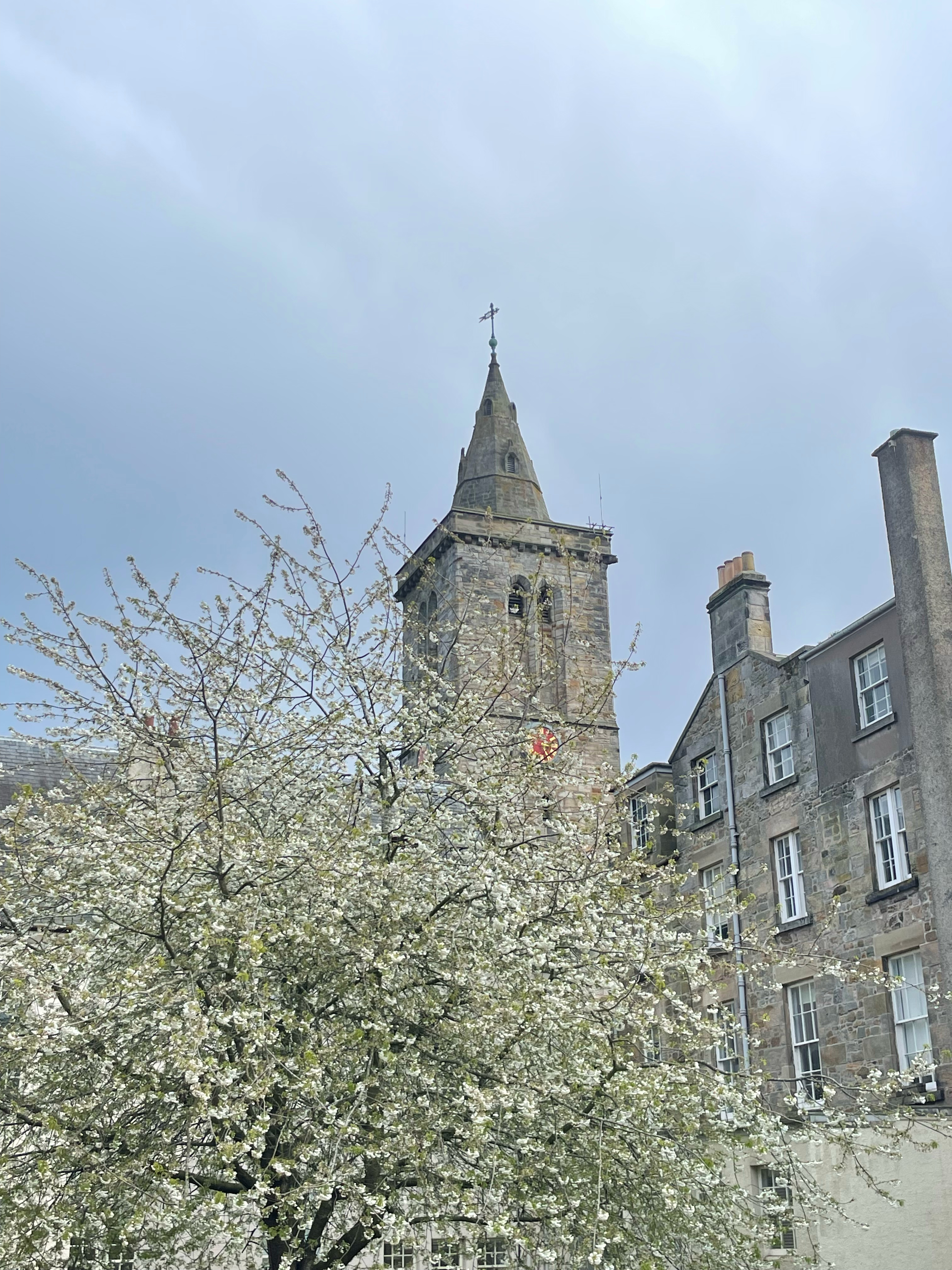
As the daughter of an Irish mother and a Scottish father, ideas of independence and self-determination have always shaped my worldview. My family history has exposed me to the complex intersections of freedom fighting, colonialism, and national identity. Studying at a Scottish university has only deepened my engagement with these questions. Scotland’s strong sense of national identity and long history of political self-determination have enabled institutions such as the University of St Andrews to flourish while preserving distinct cultural and intellectual traditions. It feels particularly fitting, then, that I am conducting this research in the King James Library, named after the monarch who united the crowns of Scotland and England. [1]
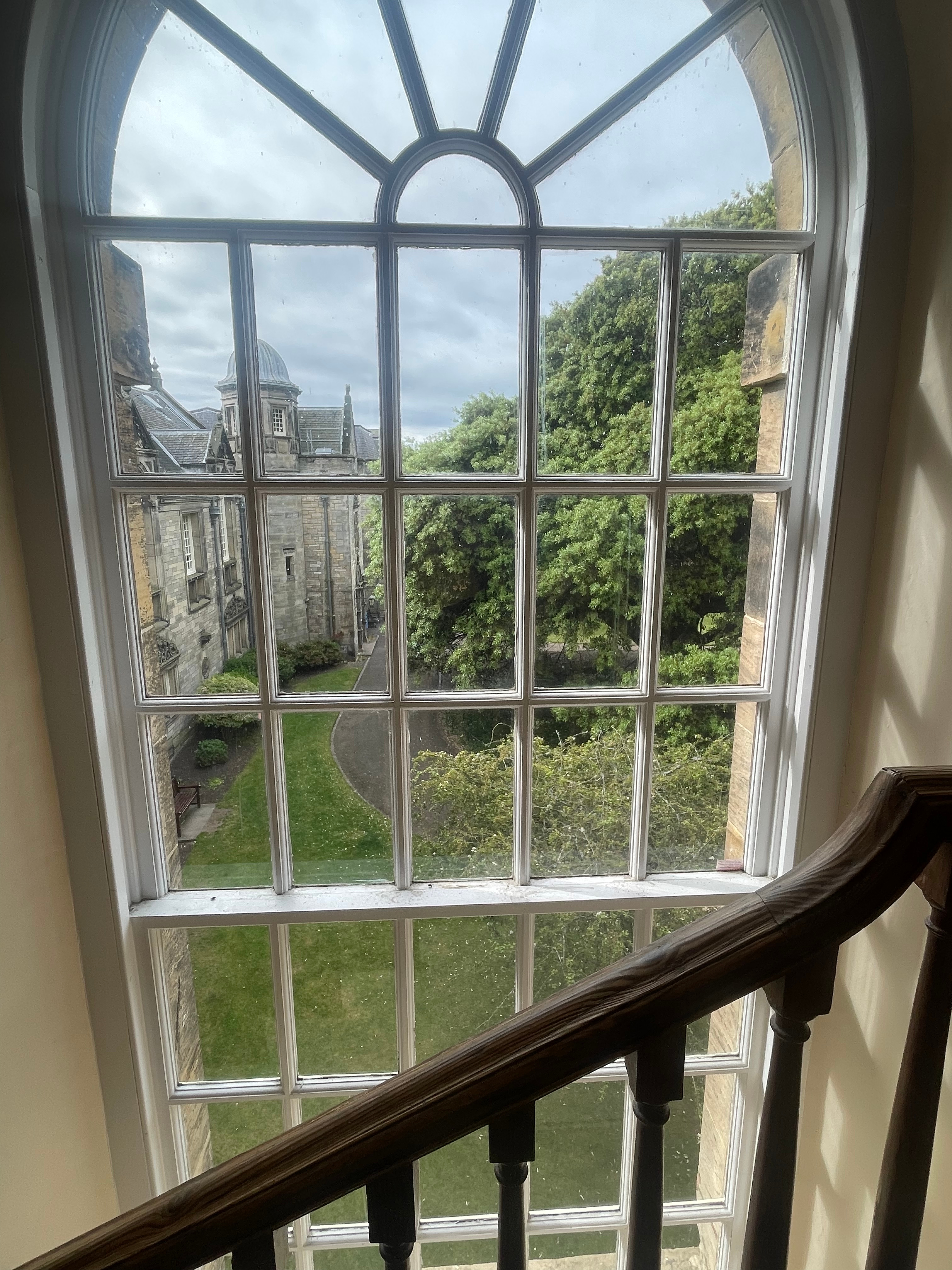
My research project is, ‘Through kinship with Spain, how did Ireland negotiate its cultural, religious, and historical legitimacy in the face of colonialism, contributing to the emergence of an Irish national consciousness?’ As a medieval history student, I am often told that it is more important to study current affairs than historical events. Whether or not Winston Churchill said it, the quote “the longer you can look back, the farther you can look forward” [2] stands as a reminder, as political tensions continue to escalate across the world, history repeatedly echoes through to the present.
At first glance, research on medieval and early modern kinship between Ireland and Spain may appear a niche historical connection. Beneath the surface, it echoes many modern struggles, including those of Palestine and Taiwan, and the challenge of establishing legitimacy. Through my research, I hope to draw attention to both this historical struggle and its modern parallels.
I’ve begun analysing medieval Irish texts such as Lebor Gabála Érenn (The Book of the Invasions), alongside other origin narratives that recount the Milesian migration from Iberia (Spain) to Ireland. These texts trace the ancestry of the Gaels to Spain, creating a powerful connection between the two regions. [3] By emphasising Ireland’s ancestral origins in Spain, later interpretations of these narratives reveal an important religious and political dimension: a vision of Irish legitimacy rooted in association with Catholic Spain during a period of increasing Protestant English domination.
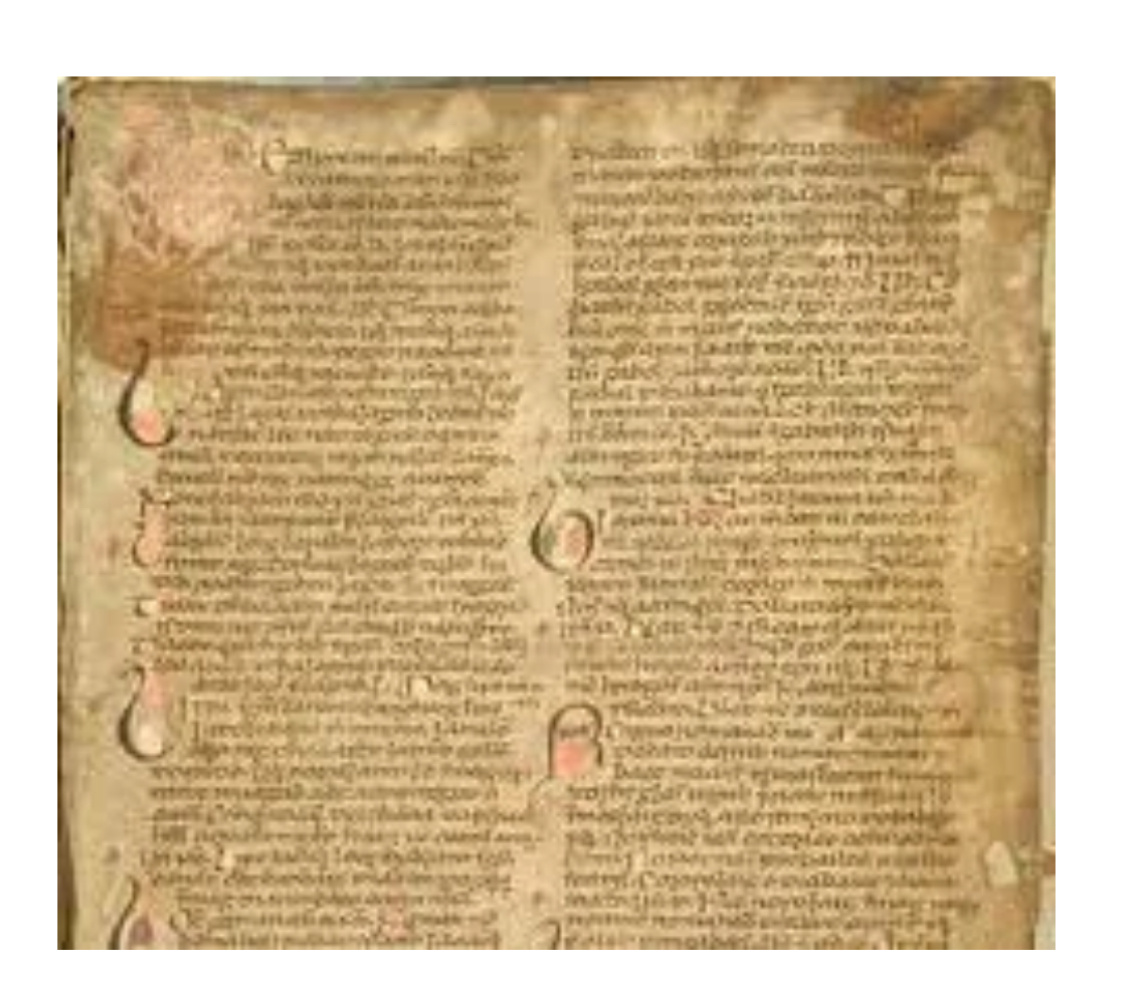
While many medieval Irish texts predate the English invasion of 1169 and cannot be interpreted as direct responses to colonialism, they acquired new significance under the changing political realities of the sixteenth and seventeenth centuries. Modern scholarship continues this process, examining medieval constructions of identity alongside modern Irish nationalist thought. In many ways, it is these centuries of colonisation and the struggle for legitimacy that form the backbone of modern Irish nationalism.
Next week, as part of my research, I will travel to Dublin and Cork to explore their extensive historical collections and engage directly with many of the texts that underpin this project. Ireland’s historic struggle for autonomy continues to resonate globally, offering insight into contemporary movements where sovereignty, resistance, and identity remain deeply contested. Identity is the most human of traits; we are both prejudiced and united by it. Irish identity demonstrates how narratives of the past continue to shape the political and cultural realities of the present.
[1] National Library of Scotland. James VI and I: A Life and Reign in 10 Objects. Available at: National Library of Scotland (accessed 3 June 2026).
[2] International Churchill Society. ‘Quotes Falsely Attributed to Winston Churchill’. Available at: International Churchill Society (accessed 3 June 2026).
[3] Encyclopaedia Britannica. ‘Milesians’. Available at: Encyclopaedia Britannica – Milesians (accessed 3 June 2026).

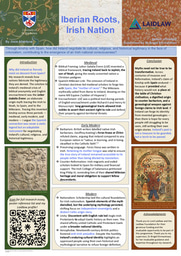
Hi! I'm Josie, a second-year student at the University of St Andrews. My research project focuses on Ireland's relationship with Spain, centring on its struggle to legitimise itself culturally, religiously, and historically in the face of colonialism, and how this led to the emergence of an Irish national consciousness. It focuses on the mythological origin stories of Ireland. As a student of both Medieval History and Spanish, I saw this as the perfect opportunity to combine two subjects I'm passionate about into a research project!