What new ideas, challenges, or other issues have you encountered with regard to your project (this might include data collection, information that contradicts your assumptions or the assertions of others, materials that have enriched your understanding of the topic or led you to change your project, etc.)?
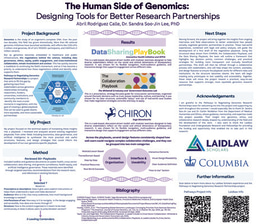
One challenge I have encountered is the project's scope and the limited time available this summer. My project is part of a larger four-year study on equitable partnerships in genomics research, so there is far more data and analysis than I can realistically address in a few weeks. Because of this, I have had to narrow my focus significantly. Rather than examining every aspect of the study, I concentrated on analyzing existing playbooks and identifying the key elements that make them effective. This has required me to be selective about what information is most relevant to the final product and has taught me the importance of defining a clear, manageable research question.
How have these ideas or challenges shaped the bigger picture of your research? Has the scope or focus of your topic changed since you began this project? If so, how?
These challenges have shifted my perspective on the project. Initially, I viewed the work primarily as a research effort focused on understanding equitable partnerships. However, as I began reviewing existing playbooks, I realized that the way information is organized and presented is just as important as the research itself. As a result, my focus expanded from simply identifying best practices to understanding how those practices can be communicated effectively to different audiences. The scope of my project became more practical and design-oriented, emphasizing how to transform research findings into a resource that people will actually use.
Now that you’ve engaged in Part II of the Leadership Retreat, reflect on a learning point that remains with you as a new way to understand leadership, and to incorporate into your own engagement, in the future.
One idea from Part II of the Leadership Retreat that will stay with me is that leadership can come from several different directions. Before the retreat, I often viewed leadership as being at the forefront and making decisions, setting direction, and guiding others. However, I learned that leadership can be just as powerful when it comes from beside or behind others. Encouraging teammates to take risks, supporting them as they step into leadership roles, and creating an environment where others feel confident contributing are all forms of leadership. This perspective has broadened my understanding of what it means to lead. In the future, I hope to be more intentional about empowering others and recognizing when the best way to lead is not by taking center stage, but by helping those around me succeed.
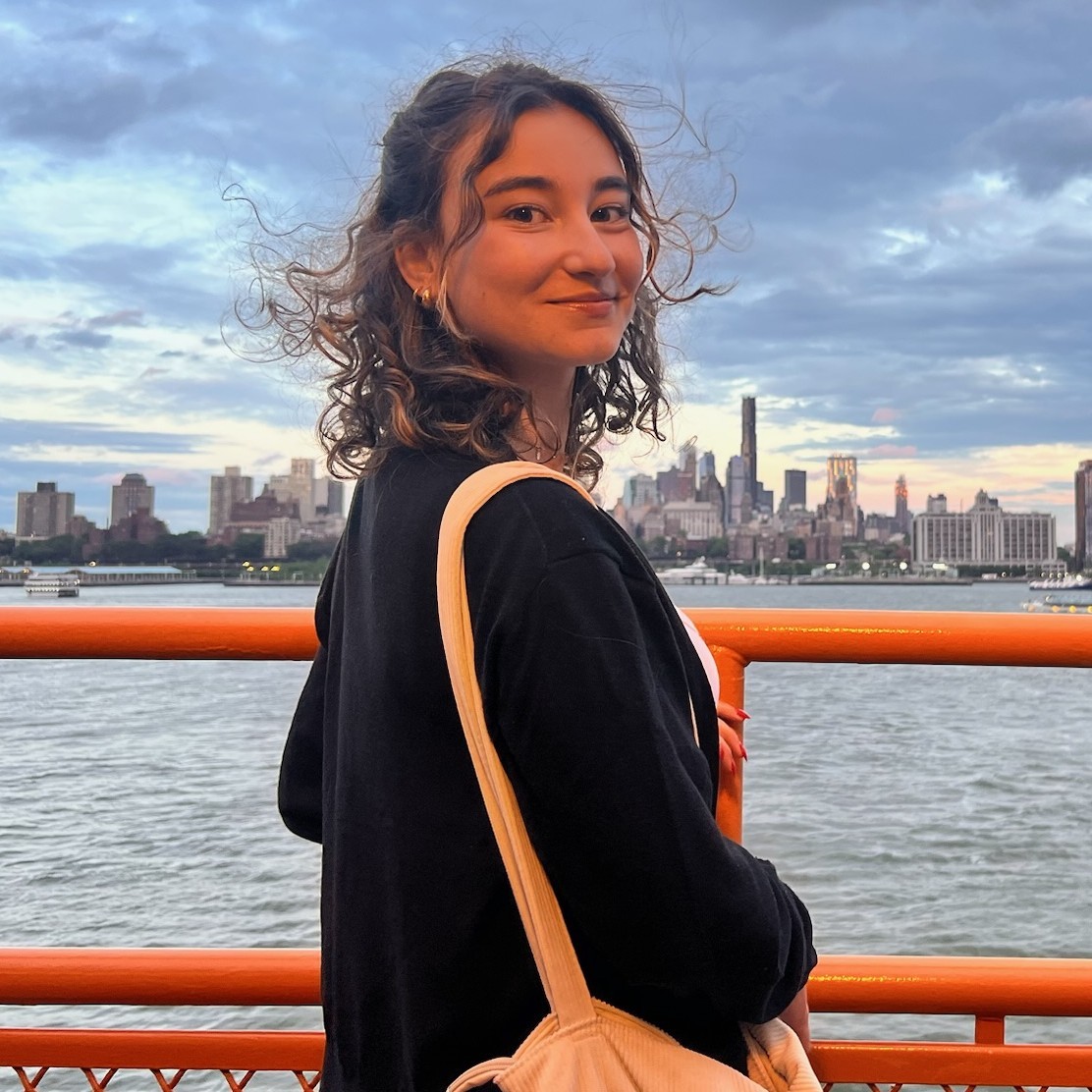
Hello! My name is Abril Rodriguez Calle, and I am a student at Columbia University studying Medical Humanities with the goal of eventually becoming a doctor. My interests lie in the intersection between medicine, the healthcare system, and ethics, especially in understanding how healthcare decisions and policies affect both patients and communities.
This summer, I will be working with Dr. Sandra Lee on an NIH-funded research project exploring the ethical, legal, and social dimensions of global genomics research partnerships. The project examines how institutions and communities negotiate issues such as data ownership, privacy, benefit-sharing, and decision-making in genomics research, with the goal of creating a practical “negotiation playbook” to support more meaningful and equitable collaboration. As part of the research team, I will help analyze policies and institutional practices while gaining experience in qualitative research, bioethics, and global health policy.