Field Journal - Week 2 💫
As week 2 of my research summer comes to an end, I'm beyond excited to reflect on some key components of my project to keep track of not only my progress, but also the serious considerations I have had to make along the way. Here's a TLDR of the progress I have made since my last field journal blog post:
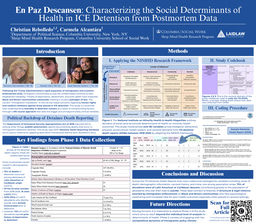
1. Generated a few graphs using IPUMS Health survey data in R to contextualize the larger U.S. sentiment towards health quality by nativity status (U.S. born vs. not) and race. Doing so has allowed me to situate the immigrant decedents within the ICE records I am analyzing in the broader sociopolitical scene of the U.S.
2. Completed readings in the fields of public health, social epidemiology, and immigrant health to provide a framework for my coding process. I came across the National Institute of Minority Health Disparities Research (NIMHD) Framework which I utilized to organize my variables of interest.
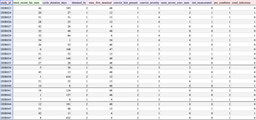
3. Developed a codebook for my variables of interest across 7 domains of influence on the individual decedents in the DDRs.
4. Connecting with researchers in the field to situate my work in the broader ongoing fields of study. Looking forward to meeting an author of one of my theory sources having to do with legal violence as a social determinant of health in immigrant communities.
Below are a few other facets of my project!
1. What are some of the ethical issues that you are grappling with in your research? What are some of the ways in which you are responding to these questions?
Because the population I am studying in my research consists of deceased individuals part of very vulnerable communities, there are some inherent ethical considerations I have had to keep in mind throughout my entire process. One of which is deciding whether or not my final dataset of the characterized Detainee Death Reports (DDRs) should include the names of the individuals in their respective data rows. Anonymizing the dataset has been my ultimate decision because even though the DDRs are available for the public (and decedents can be identified quite readily), I want to ensure that families and larger communities are protected should this dataset be manipulated by external sources. A lot can be found with a name and birth city, which are variables I ultimately will be keeping private as I move forward with characterizing this public dataset.
2. As you continue your research, have you considered alternative viewpoints in your investigation? If so, how have these alternative viewpoints enriched or changed your project?
I have considered a multitude of alternative viewpoints to my investigation through working with my research advisor Dr. Alcántara, hearing from my fellow Laidlaw peers, and connecting with work that has been done in this field in recent years. All of these perspectives have truly enriched my project with serious grounding in not just what may be intuitive to me and my knowledge of global health and qualitative data analysis, but also the broader frameworks of my project's fields more broadly.
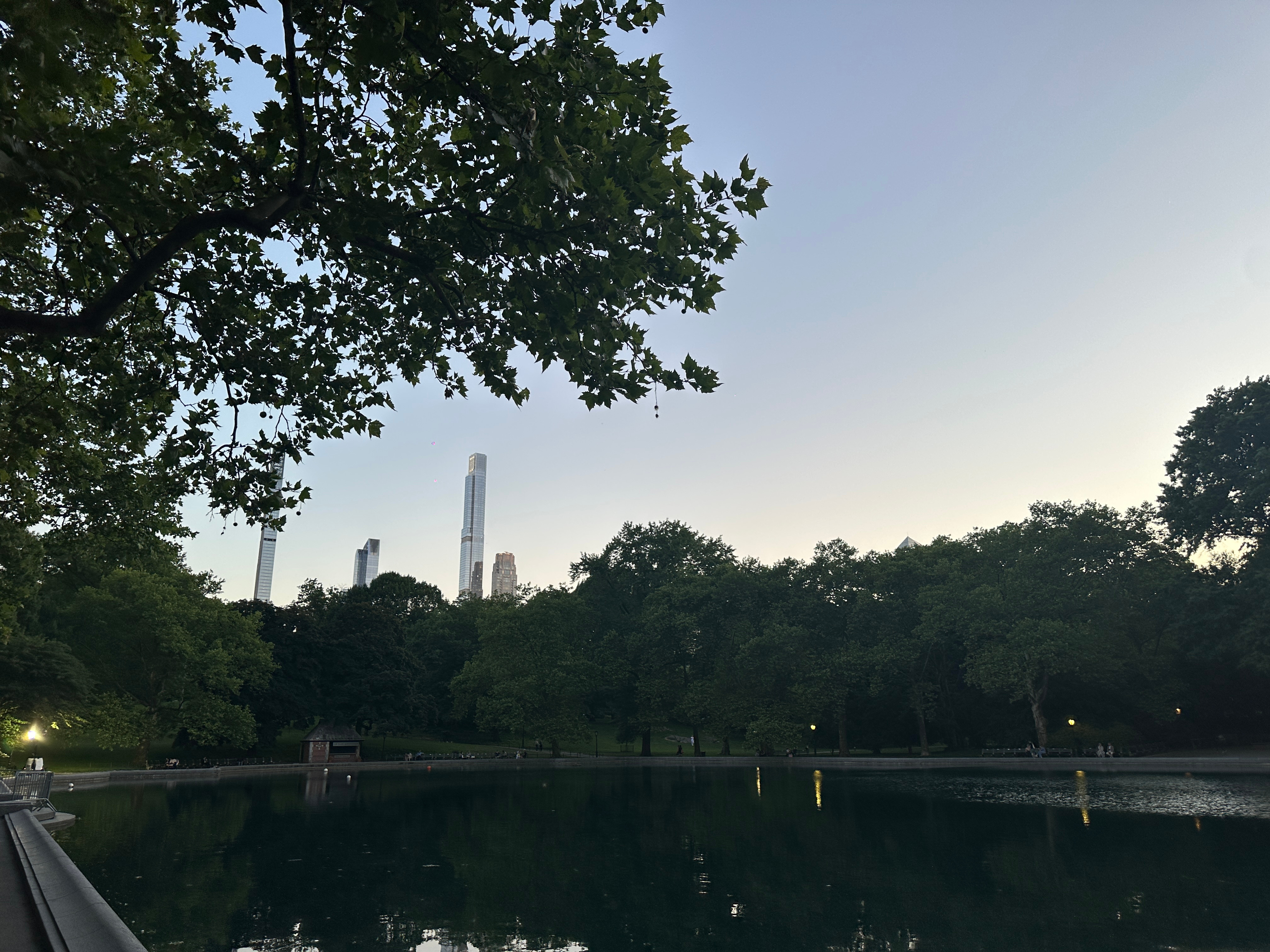
3. Where does your research take place? Take a photo of the place where your ideas and investigations are taking place, and post it to the Network!
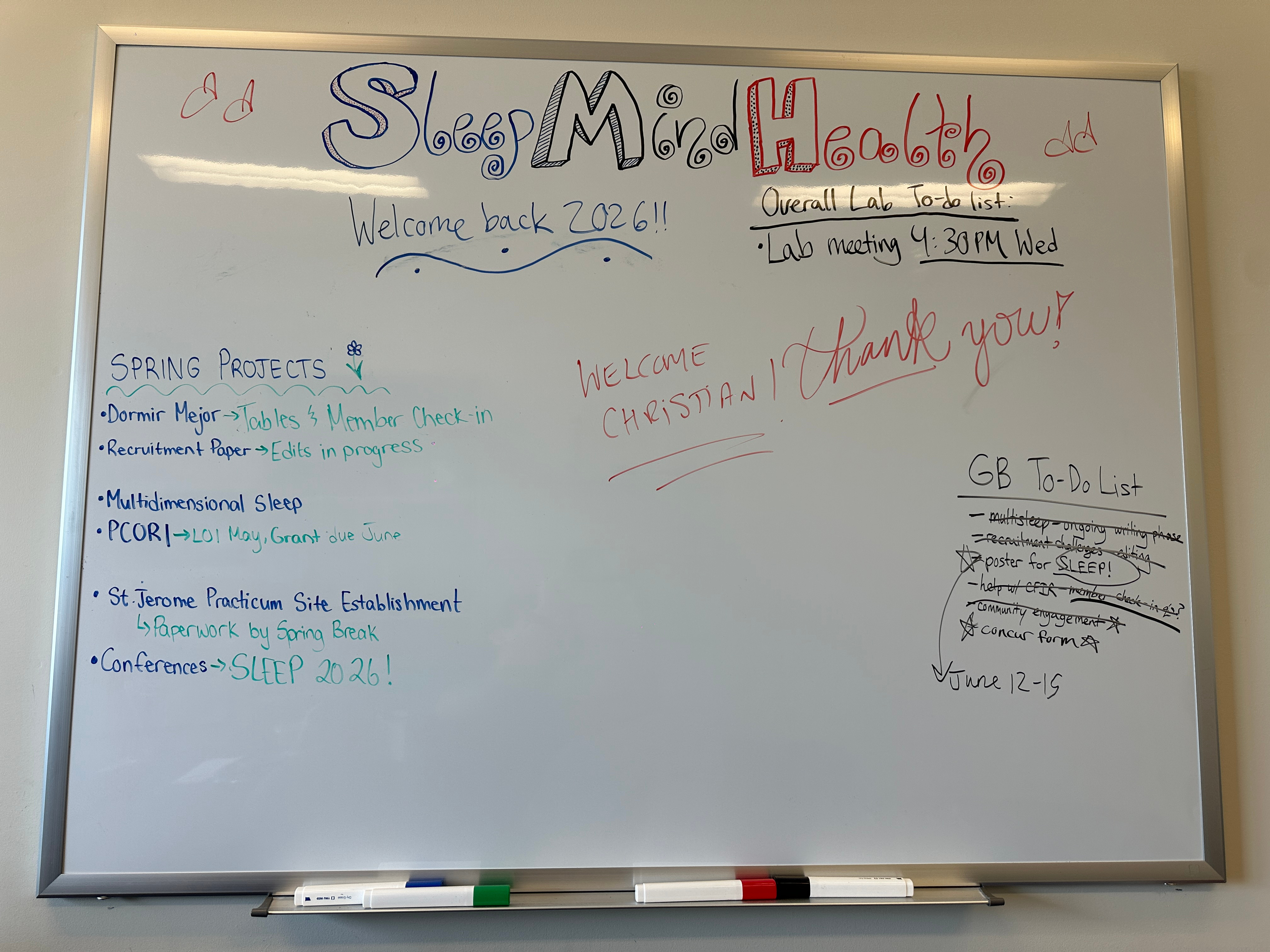
My research takes place in Dr. Carmela Alcántara's Sleep Mind and Health Research Lab at the Columbia School of Social Work! Below is a photo of our office whiteboard:
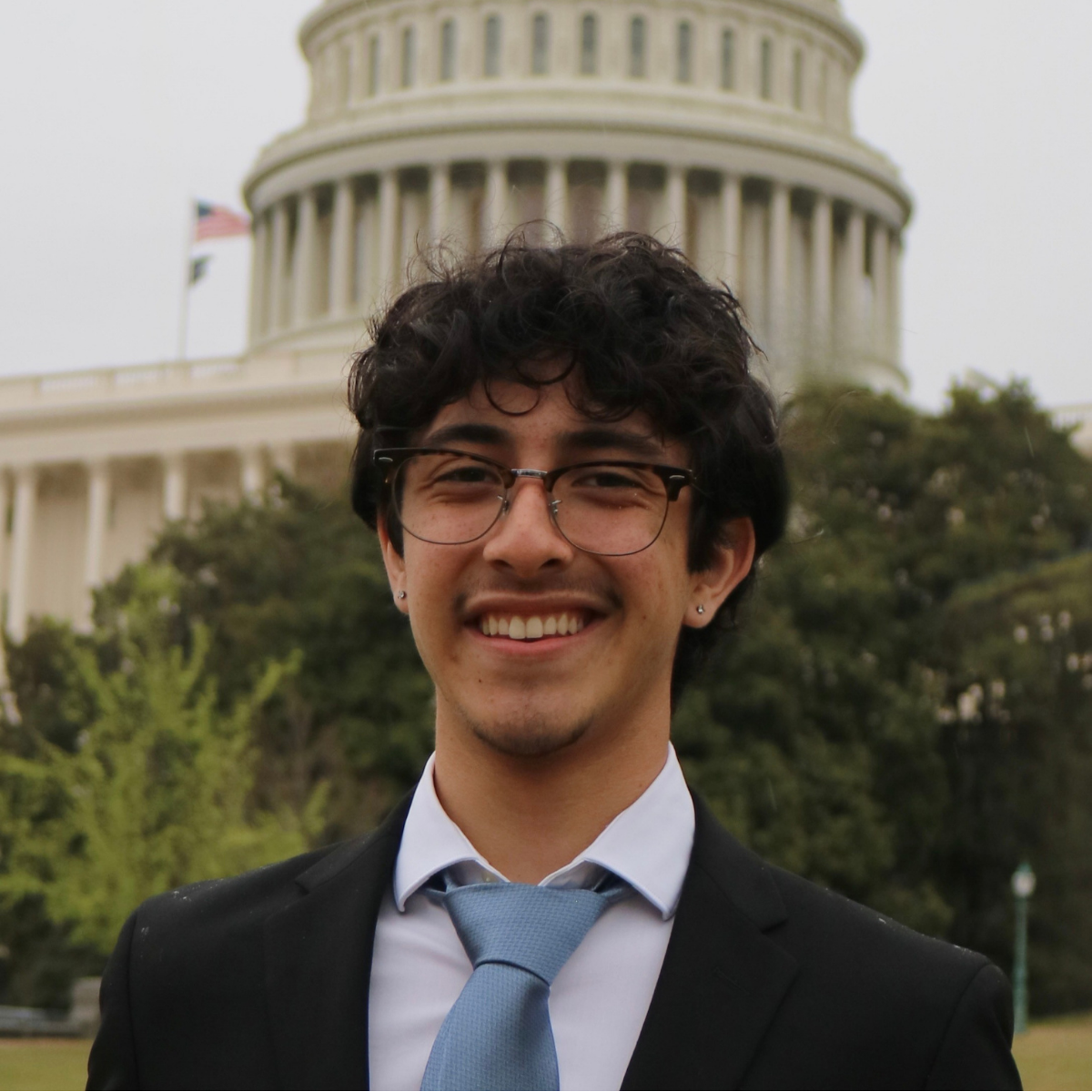
Hello! My name is Christian Rebolledo, a rising sophomore in Columbia College at Columbia University studying Political Science and Medical Humanities with a Special Concentration in Public Health. I am passionate about intersecting the worlds of public health with political advocacy: people are social, and thus political. I am passionate about community building, civic engagement, and building systems for the next generation of leaders across disciplines.
For my first summer as a Laidlaw scholar in the 2026 cohort, I will be characterizing postmortem data from ICE detention centers to identify trends across factors relatd to social determinants of health. I look forward to uncovering the quantitative facets of qualitative reporting currently populating the literature on carceral justice and public health.