What are some of the ethical issues that you are grappling with in your research? What are some of the ways in which you are responding to these questions?
The ethical issue that is most apparent to me in my research comes from the fact that the theories I'm dealing with are designed to help keep people alive. Sure, that's the nose on their faces: Zionism, and its varied iterations, arose in the face of rupture, violence, and fear. Though these movements emerged from fear, being a member of an ethical community demands that our actions in the face of fear be determined first by principles of justice.
Combing through the writings of Ahad Ha'am and Chaim Zhitlowsky is provocative because of their interrogation of the political dynamics of their time, but they also express a fear that feels familiar to me. Antisemitism, as a monolithic catalyst of annihilation, petrifies my family. It causes all sorts of awful conversations around the dinner table.
Knowing that these writers were compelled to think and act out of a feeling of necessity makes their theoretical works important because of their humanism. Then, I think it is all the more important to be honest and critical in our contemporary interpretations of Zionist thought. No one wants to live in a world of fear, but one must recognize the danger of being ruled by it.
As you continue your research, have you considered alternative viewpoints in your investigation? If so, how have these alternative viewpoints enriched or changed your project?
Yes. If anything, the alternative viewpoints I've encountered have changed the project by making me ask a different question. When I started, I was mostly concerned with understanding what Ahad Ha'am actually believed. As I've continued researching, though, I've become more interested in why it matters that we get Ahad Ha'am right in the first place.
That has led me to think more about the role of interpretation itself. If thinkers like Ahad Ha'am continue to be invoked in contemporary debates, then there is a responsibility to engage with their ideas honestly rather than through caricature or selective readings. In that sense, the project has shifted somewhat from asking "What did Ahad Ha'am think?" to asking "Why should we care about interpreting Ahad Ha'am accurately today?" That question has made the project feel more relevant, and has helped me better understand what is at stake in intellectual history.
Where does your research take place? Take a photo of the place where your ideas and investigations are taking place, and post it to the Network!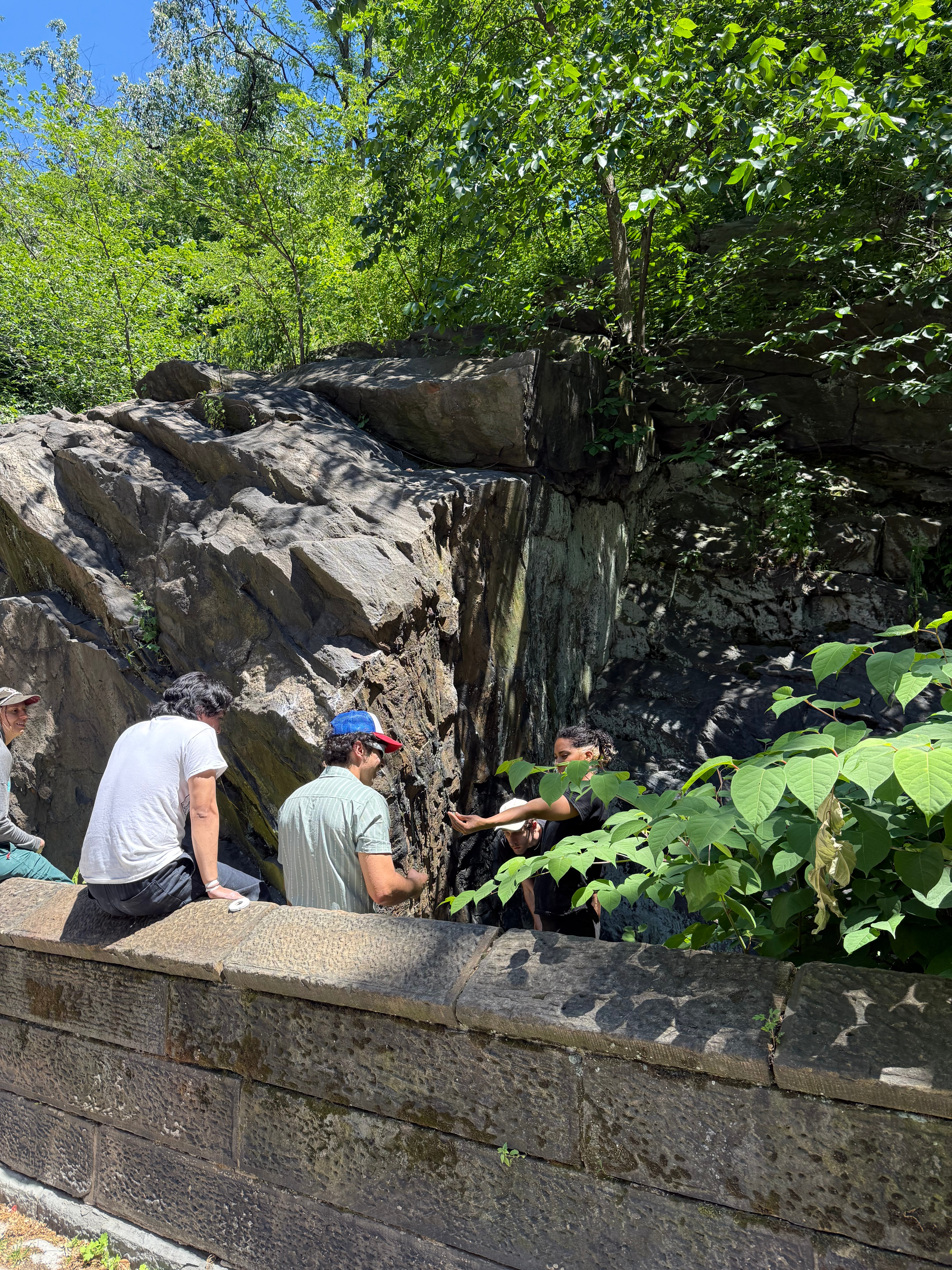
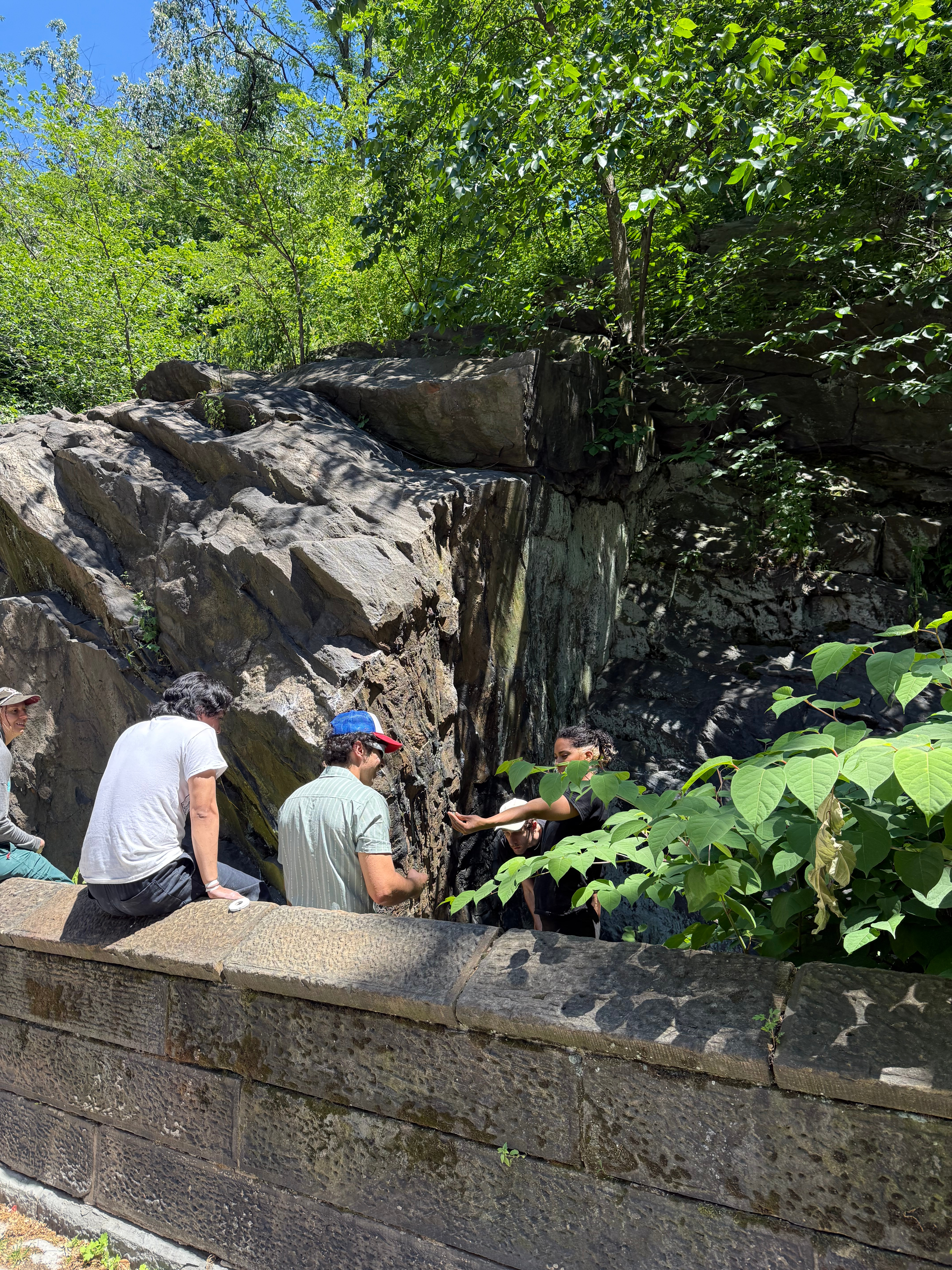
Part of my writerly practice since the beginning of the Spring semester has been to take long walks before I begin writing. It's been helpful to allow ideas to ruminate in my mind just for half an hour before I take my nose to the grindstone; on a walk I took today after a meeting with my PhD mentor, I passed by these folks bouldering in Central Park on the UWS. I had my shoes with me and asked to flash it. I didn't get a video of that but if you've ever seen Free Solo it was basically the same thing.

I'm a scholar of Comparative Intellectual History at Columbia University.