Explosions, Zombies, and How to Stay Healthy: My LiA with SOS Children’s Villages Cape Town


“Will there be explosions?” a kid exclaimed curiously.
Expectant faces turned towards me at the front of the table. It was my first lesson with the older children, all between the ages of ten and fifteen, and I could tell they were rather keen on the idea. Back then, I had told them that I couldn’t make any promises, but in writing this post two months later, I am happy to report that I did attempt one (safely), much to their delight.
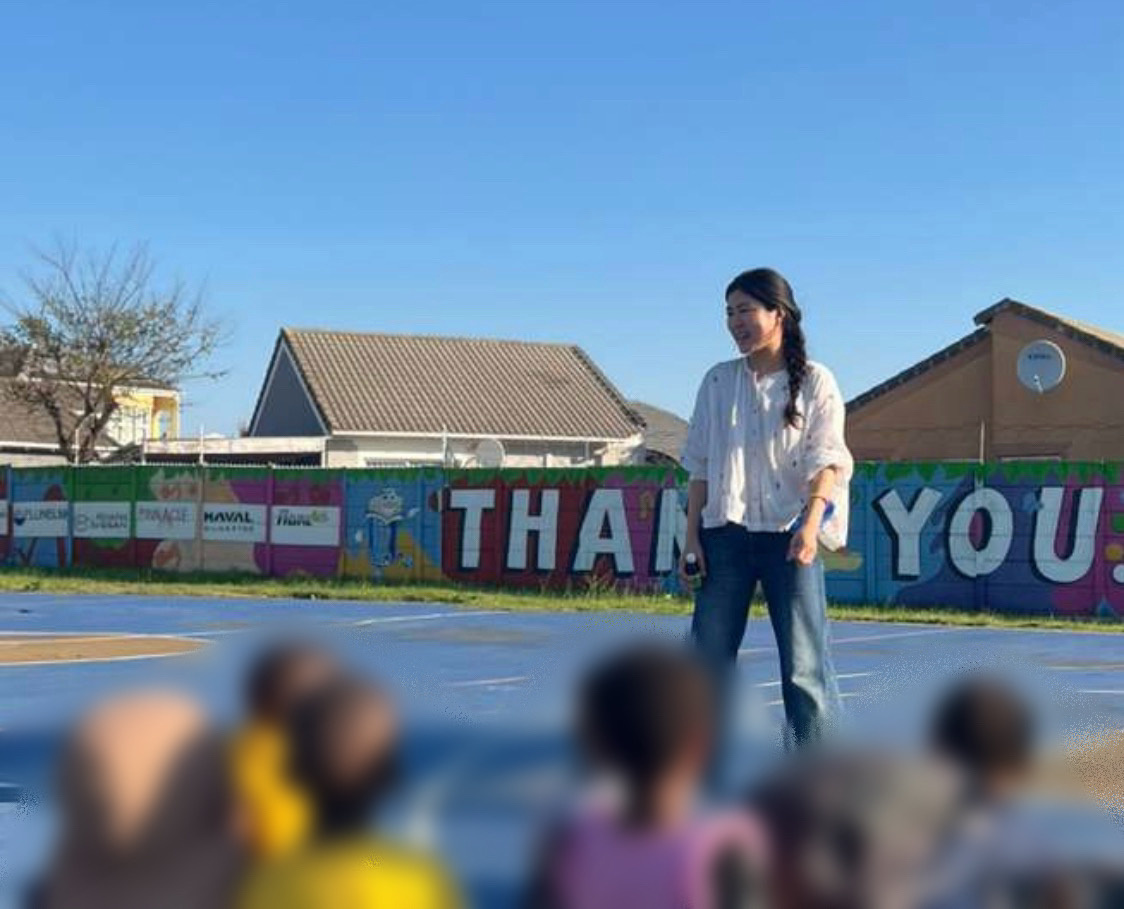
A picture of me explaining the elephant toothpaste experiment!
For my Leadership-in-Action project this summer, I traveled to Cape Town, South Africa, to deliver a health literacy program at SOS Children’s Villages. SOS Children’s Villages is a residential community that houses children and young people who are experiencing adversity or are no longer safe at home.
This project targets two main UN Sustainable Development Goals.
First, it addresses Goal 3: Good Health and Well-being, by equipping youth with practical tools to support healthy lifestyles and build confidence to advocate for themselves when they need care.
Second, it addresses Goal 10: Reduced Inequalities, by responding to barriers in access to health education and youth enrichment opportunities. In public health, knowledge is often a key determinant of access to care, and persistent gaps in health knowledge in marginalized communities continue to contribute to ongoing health disparities. In a particularly insightful conversation I had with the social worker while I was there, I remember learning that everyday hygiene practices, such as brushing teeth, bathroom habits, and understanding what is safe to put in our mouths, were areas where the children sometimes needed additional support, regardless of age. Keeping this in mind, I structured my first week of lessons around discussing what health is and building practical hygiene skills. Later, I branched out to the topics of body awareness, help-seeking, and self-advocacy.
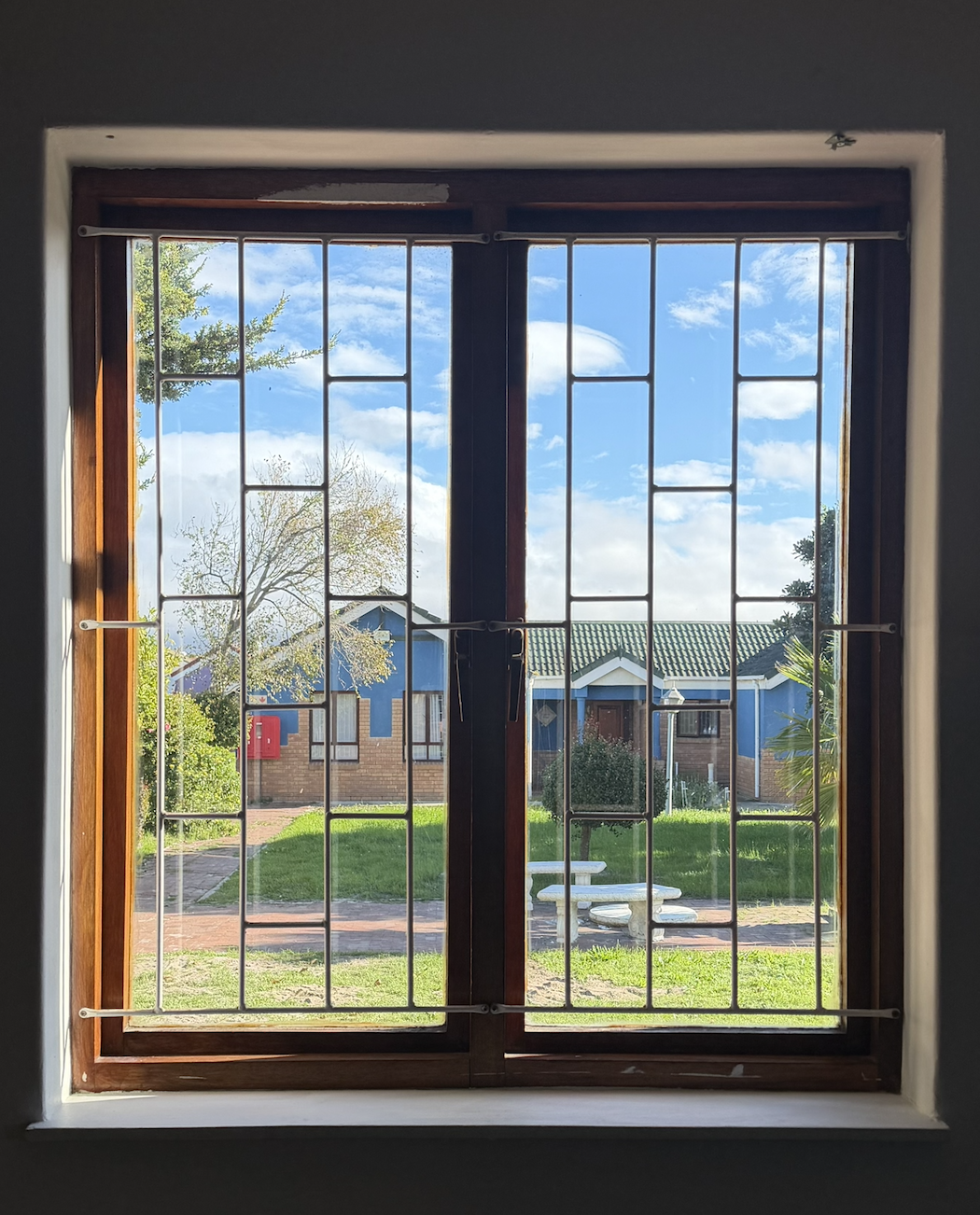
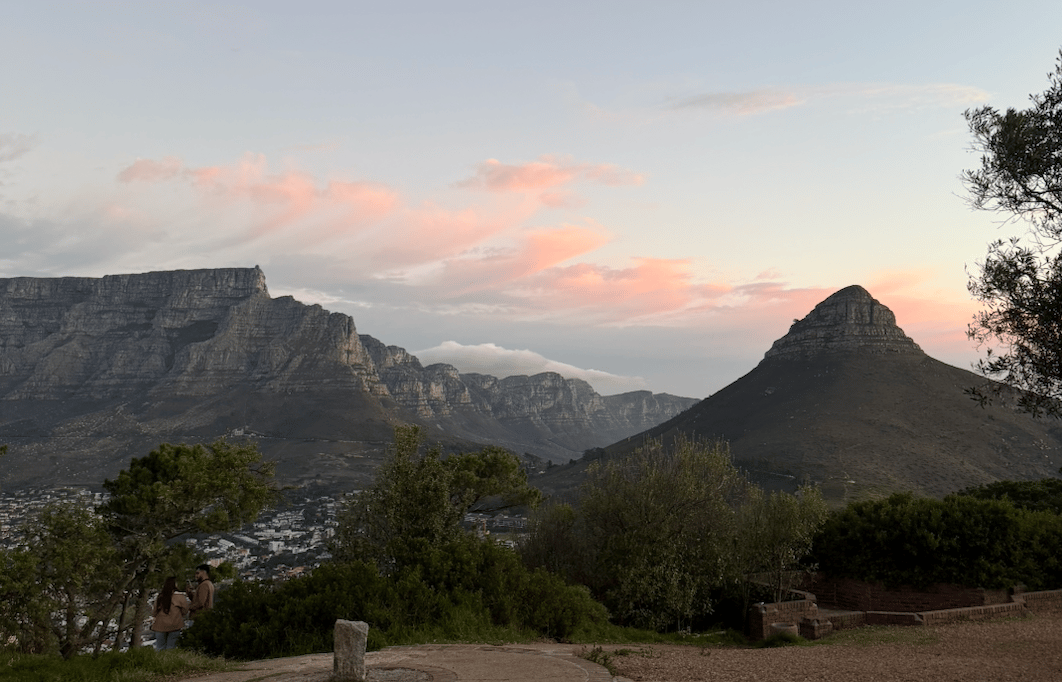
The view from the board room, where I did my programming.
I spent the months between January and May researching and designing my health literacy curriculum. My goal was to address gaps in health literacy observed by the SOS staff and Youness, my coordinator who had already built a relationship with the village.
Once on site, my first sessions did not go quite as planned. I was teaching two groups, one group ages 7-9 and the second group ages 10-15, which led to a wider range of age levels, school levels, and reading proficiencies than I had initially anticipated.
This led to a series of realizations regarding how to successfully adapt my program to the children it was meant to serve:
- The curriculum I created was both too advanced for the younger group and too elementary for the older group.
- I needed to rethink how I was delivering the information, as the lessons were conducted in their home environment after a long day at school.
- As the teacher, I needed to create an environment where every child felt empowered to speak and ask questions, regardless of their age or school level.
I was able to find the solutions to these challenges in the daily debriefs I had with Youness and my fellow Laidlaw scholars taking on the LiA with me—Anjelica, Elizabeth, and Lily.
The solution for the first and second realizations came together when I was advised to collect “data” by paying attention to what engaged or did not engage the kids. With each lesson, I would tweak the next day’s lesson plan to be tailored to what I had learned about the kids the day before. In doing so, I learned that my younger group stayed engaged longer when I referenced relevant examples in their daily lives, like playing soccer, and when I made greater effort to show concepts rather than explaining them using only words. Using activities such as drawing comics and simulating the movement of germs with Glo Germ Gel helped achieve this goal.
On the other hand, the older group thrived when solving puzzles or applying concepts as they already had a baseline understanding. Thus, I delivered the majority of my lessons through interactive scenarios and games. This was achieved by designing several escape rooms (including many themed around tracking disease outbreaks) or games like Jeopardy for them to play in class. It was particularly effective to conduct a game debrief explaining the main takeaways after each activity, while also using subsequent activities to bring back old content. I was also able to use these games to cover more advanced topics, including health misinformation/disinformation, epidemiology, and mental health with the older kids.
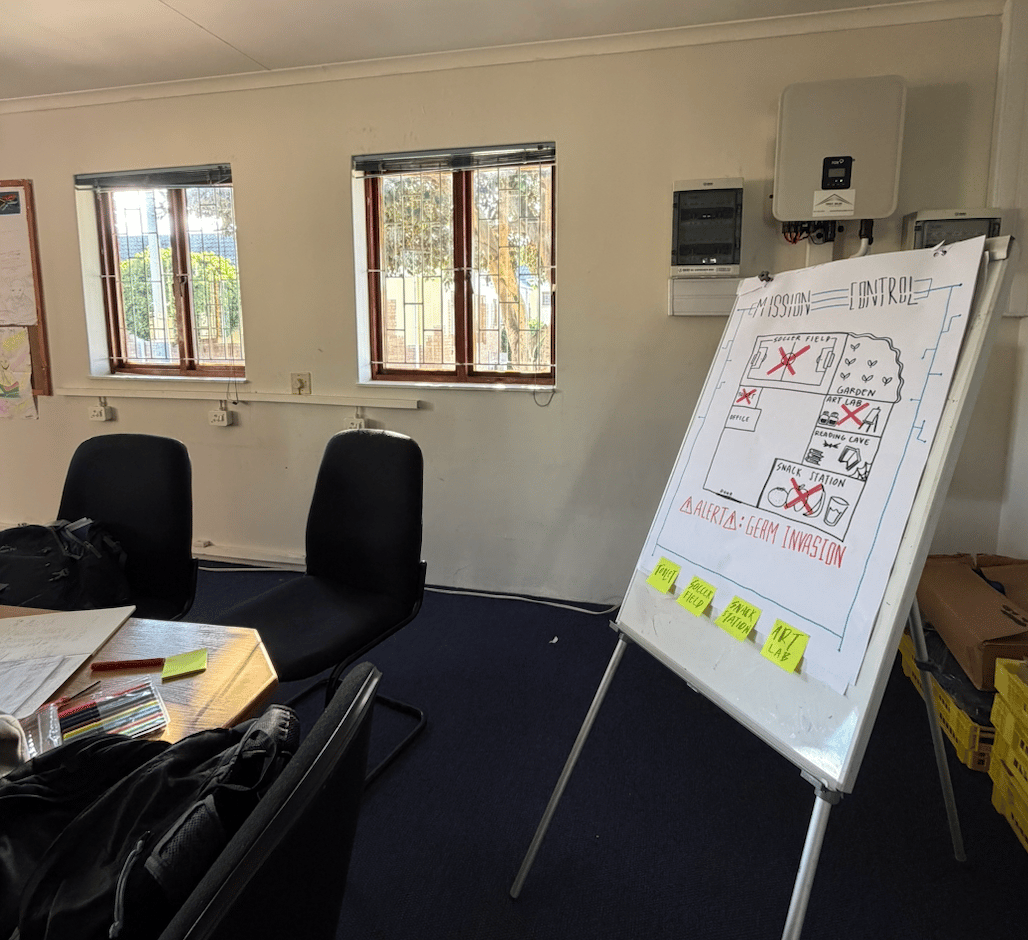
A picture of one of the games I created.
Finally, I worked to create an empowering environment by diversifying the conversations I had with the children. I would ask them not only what they liked or disliked about school, but also what their hobbies were, their favorite superheroes or role models, and what inspired their dream careers. In one conversation, a kid shared that they wanted to become a traveling artist because they loved learning about other parts of the world, while in another, a kid shared that they wanted to be a scientist and a writer. Through these conversations, I was excited to find common ground with the children, as I discovered that nearly all the children had a strong passion for art, one of my personal interests. I decided to use my Friday lesson time with the older group to dive into the intersection between science and art, where we had the opportunity to draw through observation, work with clay, and discuss how each can provide a new perspective on the other.
Additionally, it was incredibly helpful to gain perspective from Anjelica, Elizabeth, and Lily about how the kids in my program engaged with their programming. For Universal Children’s Day, we put on a series of field day activities for the children in the village. In our debrief that day, I learned that a particular teen was a phenomenal actor in Elizabeth and Anjelica’s storytelling activity. Consequently, I was able to incorporate a playwriting and performing segment into my next lesson, which was well-received by the kids.
During my last week in Cape Town, I organized my lesson plans, activities, and educational materials into a handover document to leave with the program director at SOS Children's Villages. These materials will serve as a resource for future health-literacy related programs, allowing the organization to reference the curriculum I developed and implemented this summer.
On the last day, the older group had the opportunity to present the artwork they created in the Science & Art classes in an exhibition titled “Zombie Science,” where we talked about relevant real-life diseases that could be somewhat zombie-like. For example, one of the diseases discussed was rabies, which is endemic to the coastlines of Cape Town. It was a wonderful experience to see them present their clay zombies to their friends, their Aunties (the housemothers they lived with), and the SOS staff, including members of the SOS Children’s Village South Africa National Office who had come to visit that day.
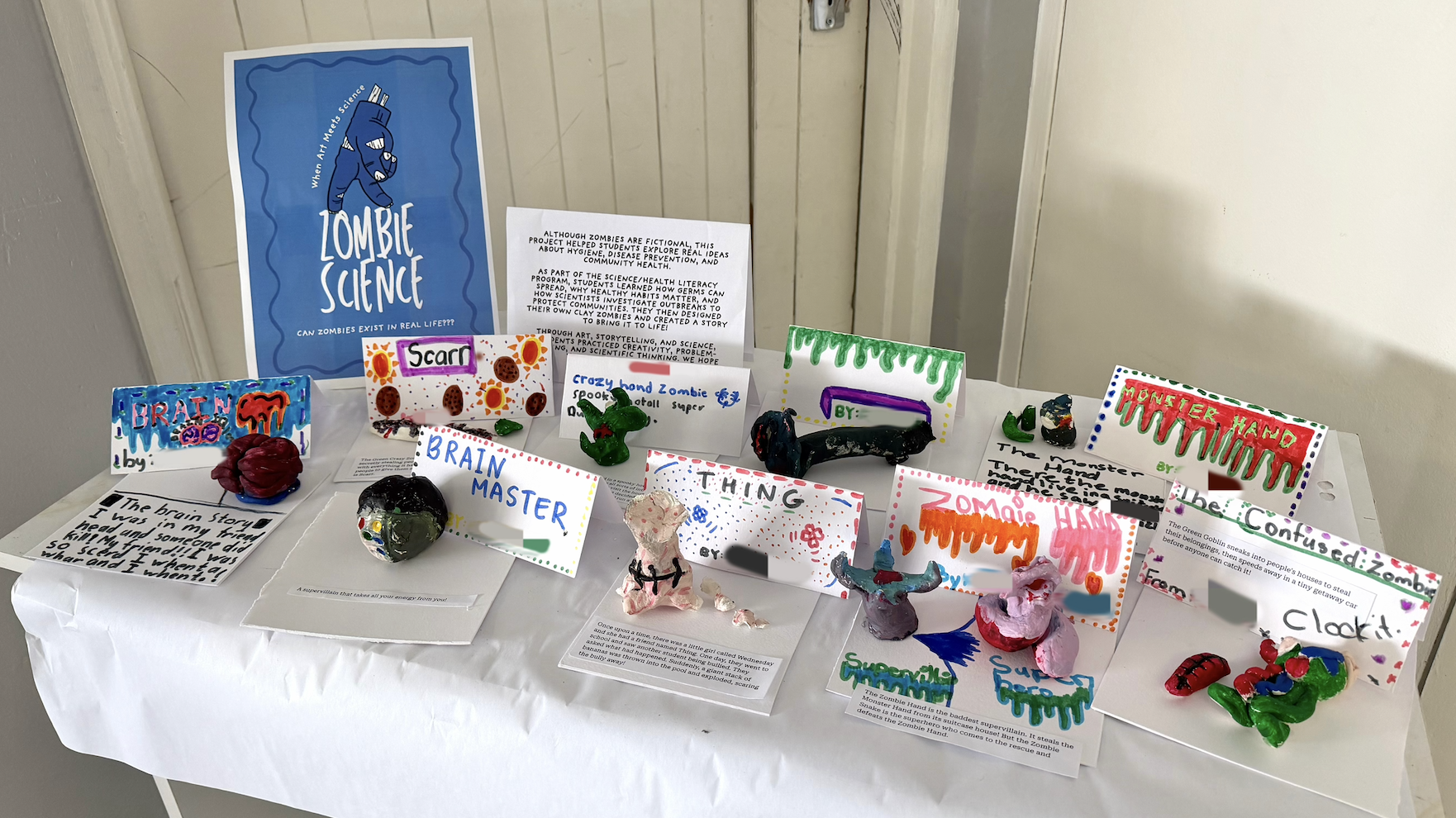
A picture of the Zombie Science art exhibition!
As I watched the kids speak animatedly about their work and straighten their backs at the compliments they received, I felt both very proud and a little bittersweet that it was the end of my time with such wonderful children and people. I had come to care for them deeply and sincerely hope that they are able to achieve the dreams that they told me so much about.