Down the Other Side: Weeks Four to Six

Three weeks ago, I began my summer research project on cultural bias in text-to-image AI generators, and completed an initial pilot phase. Fueled by what I uncovered, I embarked on the extended version of my project in the following weeks.
Week 4. The second half began with me calculating the number of images I need to generate for the extension. Compared to the pilot, I ended up having at least 15x more images and another additional set of prompts. Moreover, I added two more macro-regions with 21 sub-regions in total. I also tried picking up a third model mid-week to try alongside the original two, which felt like a good idea for about a day and a half before its output quality made the decision for me. That was a slightly humbling lesson in how differently a design decision comes out on paper versus in the actual output directory.
Week 5. Unexpectedly, the generation phase of the previous week got its way through to the next. I expected myself to have started working on the analysis phase, but the sheer number of images to be generated needed some more time. While this was running in the background, I was validating my analysis pipeline from the pilot study. And it was during this time that I found two major problems I am most glad I caught: a wording issue in one of my prompt sets and a normalization error in my similarity analysis. Fixing them took some time, but at the end, this step was a crucial element of the research.
Week 6. Image generation wrapped, and the majority of the week went into running the full analysis pipeline. This was, by far, the most intense week. I won't pretend the volume of it didn't get to me. 21 sub-regions produce a lot more to sit with than four regions did in the pilot. But by the end of the week, everything that need to run had run, and I had a full insightful dataset.
Looking back at these past six weeks, the shape of this project revealed to be less "idea, then execution" and more a loop of build, break, notice, and rebuild. The statistical principles that felt dense in week one are now things I reach for without thinking.
I would like to thank my supervisor, Dr. Amar Ahmad, for his consistent feedback throughout this project and for the unwavering support that made the past six weeks possible. His willingness to trust me with the methodological calls, while still being there with sharp guidance whenever I got stuck, made a real difference. I'm genuinely grateful for the mentorship.
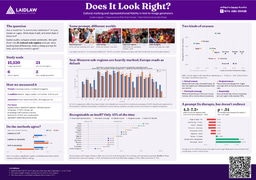
In the next few weeks, I would be turning these six weeks into a paper worth reading and a poster worth presenting. Six weeks ago the whole project was an abstraction I couldn't see the end of, and now I am sitting on a finished dataset with a few weeks to tell its story properly.
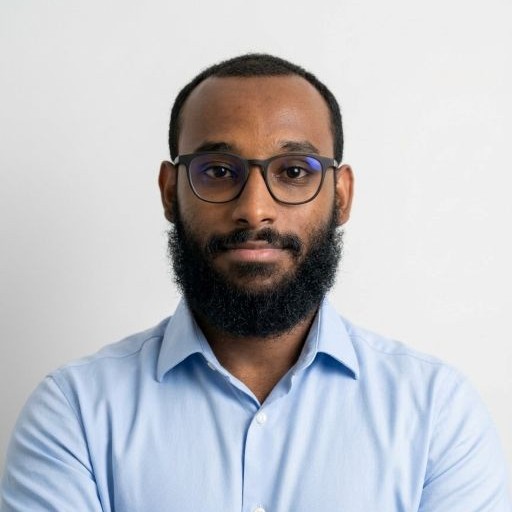
I’m a Computer Science and Mathematics student at NYU Abu Dhabi, originally from Addis Ababa, Ethiopia. I’m naturally curious and tend to think a lot about how system, whether technological or social, shape the way people experience the world. I’m especially interested in questions around access, representation, and decision-making.
Outside of academics, I enjoy playing chess, exploring new places, and spending time with friends. I also care deeply about education and have been involved in initiatives supporting students from diverse academic backgrounds.