Over the past six weeks in Mexico, I have worked collaboratively on a project designed to create engaging educational resources for children. The experience has given me the opportunity to take a project from initial ideas through to tangible deliverables, while developing my skills in teamwork, creative problem-solving, communication, leadership and project management.
A key part of our work was developing a set of five puppets, each with its own personality and purpose within our educational content. I am proud to have come up with the idea of making the puppets animals native to Mexico; animals engage children, and relate learning to their own culture and environment. My main responsibility within this process was creating Clau the Quetzal, which involved contributing ideas around the character's design, personality and role in our activities. She represents commuter districts of CDMX (as quetzals migrate), communities that experience state abandonment and discrimination, and carries a travel bag adorned with relevant badges e.g. a breast cancer awareness ribbon.Working as part of a wider team meant balancing individual ideas with the overall vision of the project and ensuring that our characters worked effectively together.
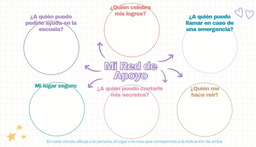
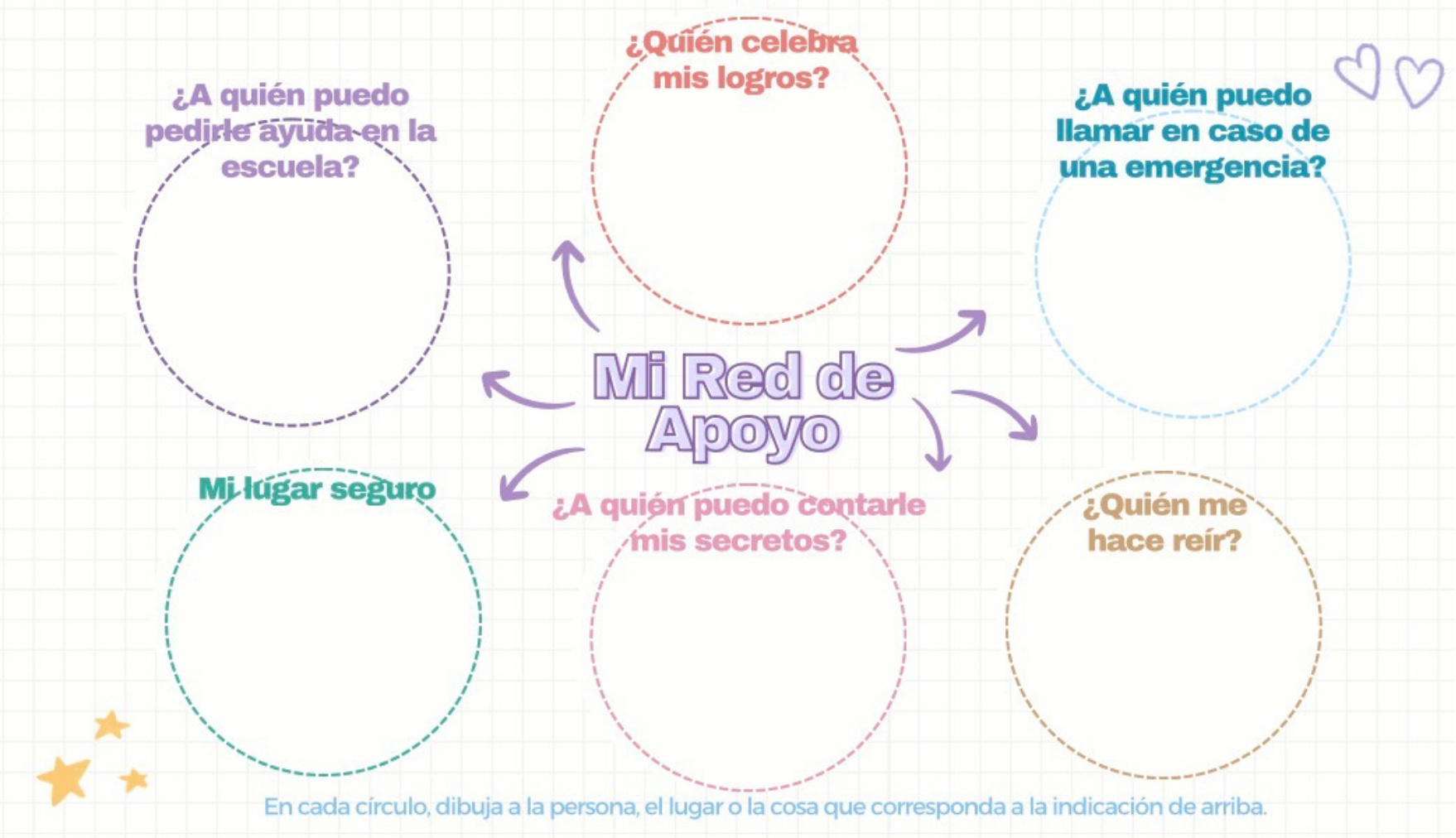
Alongside the puppets, we designed and created a physical set to support the puppet shows and make the experience more engaging for children. Our set depicts CDMX through paintings of the peripheries, graffiti slogans, and jacaranda flowers to encourage a feeling of belonging and comfort during workshops. We also developed five detailed character profiles, helping us create consistent personalities and stories for each puppet. For example, Clau lives in the peripheries and is an avid musician. Additionally, we created five educational games as a group. My game encourages children to draw their own support system through relevant prompts e.g. ‘someone I can tell my secrets’, as safe people are not the same for every child. Developing these resources required us to continually consider our target audience and how we could communicate ideas in a way that was both entertaining and accessible.
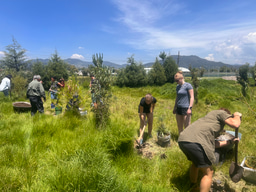
Another important part of the project was leading and coordinating volunteers. This gave me valuable experience in communicating tasks clearly, working with different people and helping to keep the wider project moving towards our deadlines. It also taught me the importance of adapting my communication style depending on the person and situation. One of the highlights of the experience was creating these strong relationships, and one of our volunteers even crocheted us axolotl keychains which will help us remember the experience forever.
Throughout the five weeks, we regularly presented our progress to the MakeSense leaders and incorporated feedback into our work. This process helped me become more confident at presenting ideas, responding constructively to feedback and explaining the value behind our decisions. We also worked towards presenting our final deliverables to Las Sabinas, giving us the opportunity to demonstrate how our work could create value for the organisation and its target audience.
Overall, the project has strengthened my ability to turn creative ideas into practical deliverables, work effectively within a team, and communicate concepts to different stakeholders. From developing the initial concepts to producing the final puppets, set and games, I have gained a much better understanding of how creativity, audience insight, organisation and collaboration come together to deliver a successful project. These are skills I am keen to take forward into a future career in business, particularly in roles where understanding customers and turning ideas into engaging experiences are central to success. This experience has been unbelievable overall. Exploring a completely new country and culture with incredibly welcoming scholars from all over the world is something I will carry with me for a lifetime. ¡Viva México!
Hi! I am an undergraduate Psychology student at Durham University and a 2025/26 Laidlaw scholar. So far in my Laidlaw journey, I have undertaken research into Formula 1 fan marketing and gendered motivation, which involved designing, carrying out, analysing, and presenting my research, including collecting data at the British Grand Prix and interviewing Ferrari personnel.
I recently completed the Oxford Character Project hosted by Oxford University to further my leadership skills and am currently in the final stages of the programme to implement what I have learned in Mexico City, designing educational tools to teach children about consent and leading a group of volunteers to make it happen. Follow along!