Catastrophe, JSTOR, Joie de Vivre!
When I applied to this programme, in a typical last-minute scramble, I didn’t bank on both my parents being hospitalised within a week of the starting line. I imagined myself idling away the hours on JSTOR, maybe stretched out supine in the back garden with a Budweiser and a musty book stack and what might have been a tan if I had the genes for it – heaven. Besides project deadlines, Summer would be the usual atemporal drift, with ages for all those little personal project ideas you save up over term and think about and think about and plan a little until – smack! – there’s September 1st, and Time resumes its usual Nurse Ratched menace. Anyway, productive or not, I was looking forward to a few slow months.
Alas, some ancestor of mine must have racked up a few cosmic barrels’ worth of bad karma, and in May 2026 the spigots finally burst. Just as my nice, slightly neurotic, research routine began to crystalise, a flood of missed calls from half-known family members, GPs, paramedics, hospital staff, solicitors lay the whole thing to waste. In a couple of weeks, I’d been furnished with a new legal and medical vocabulary, alongside the kind of responsibilities one only forecasts for some obscure Adult future decades down the line. Suddenly, Summer didn’t seem so expansive.
And it felt great. Not what had happened – it wouldn’t be unfair to call this, objectively, the worst month of my life – but this new sense of direction. I’ve always been a fretter, assigning terrible weight to the minutiae which passes better-adjusted minds by. I’d spend a good thirty minutes sculpting each email for that essential polite-but-not-quite-grovelling tone, imagining the recipient wincing at my “best wishes” where I really should have gone for the more nonchalant “best”. But in the shadow of catastrophe, this stuff finally does just seem inane. All those stultifying worries – email tone, essay wording, dress code, text etiquette - drop magnitudes down the priority scale and, little by little, you loosen up. A great mental fog lifts. Catastrophe, in this sense, kind of prunes you: preoccupations wither away as energy diverts to the places that matter. You feel suddenly, immensely capable.
And it's done wonders for the research project. A few weeks ago I was kidding myself into complacency; a summer otherwise devoid of commitments meant I could dedicate myself, mind, body and soul, to the Laidlaw cause - so I thought. So long as I obediently spent the hours in the library and cleaved to routine, the project would rattle itself off. Not so. JSTOR is an academic miracle but she is also a temptress, and my bibliography instantly swelled well beyond the scope of any coherent plan. With no other responsibilities, however, this didn’t trouble me. A week was spent in academic languor, cushioned by the thought that doing something consistently, for the right amount of time, was enough. Surely? So my attention peregrinated across the internet’s Russian revolutionary rabbit holes, and when asked, at the end of Week One, to send over a copy of my findings, there was nothing. A smattering of half-paragraphs bashed out each time an article tickled my fancy, with nothing to string them together.
Now, though, other things loom larger. You might think that, when some task falls from top priority, it becomes harder to manage, but I’ve found the opposite is true. With summer divvied up between hospital visits and warden calls and the like, I’m left sparse pockets of time, and have to think hard about what to do with them. Suddenly it’s not so difficult to pick a direction and stick with it. Catastrophe was the ice-bucket wake-up splash. And it’s altered my relationship with the project at another basic level: it's become a thing of respite, rather than the be-all end-all menacing my summer. I find myself excited to snatch an unexpected hour or two for research, wondering how much progress I can eke out of the minutes spare. Don’t get me wrong, I still prevaricate. But the old academic dread, that root of all procrastination, has been tempered by a sense of scale.
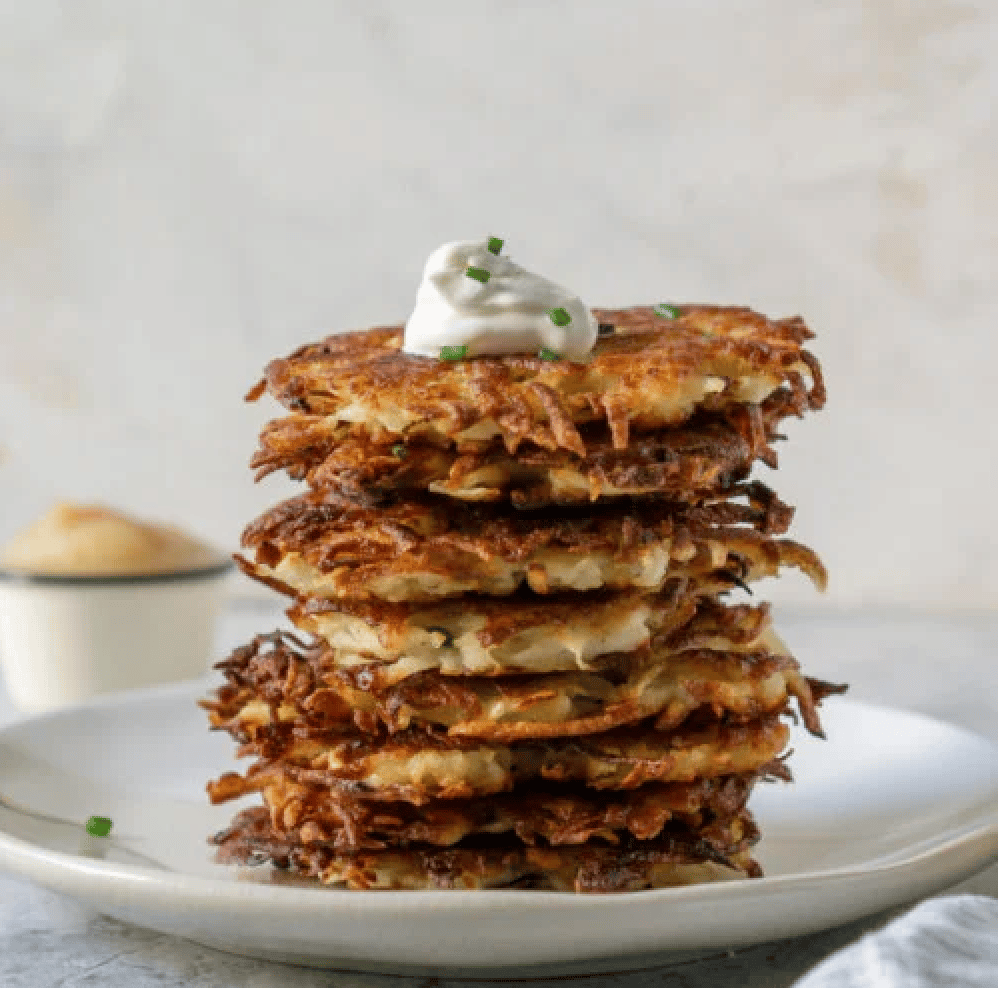
It’s early morning, and I’m tapping out this sentence with a laptop balanced on the gas hob grate, latkes frying by the side. I have two hours before the day really starts, and the to-do list is long. A study by psychologist Clare Mehta indicates that the happiest age is about thirty-six - the age, it is suggested, when the burden of personal responsibility peaks. I’m beginning to see some truth in this.

Hello, I'm Emmy, a third year modern history student at the University of St Andrews, and I'm working on a research project concerning Russian émigrés in Victorian Britain. Specifically, I'll be taking a look at the literature they chose to translate and share with the British public via journals like Free Russia, considering which subjects, themes and morals took precedence. The idea is to understand how representatives of marginalised groups can shape cross-cultural relationships through literary exchange.
Beyond this, my interests lie in the history of ideas, especially ideas about childhood, imagination and religion. When out of the library, I like to career around town and beyond on my bike (Mackerel), spot some birds, listen to a good album and chew on whatever apocalyptic media I can find.
Always open to chat