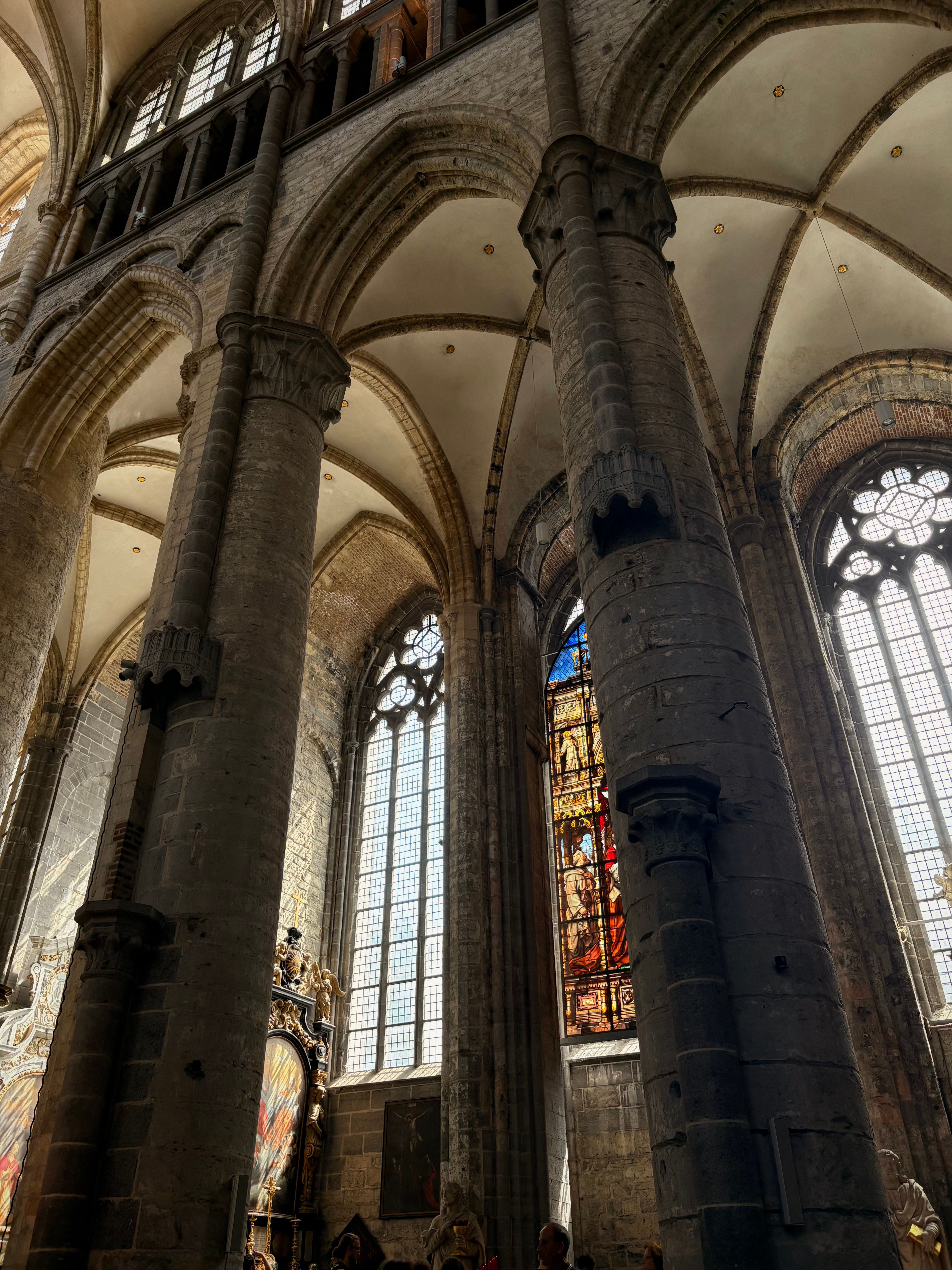
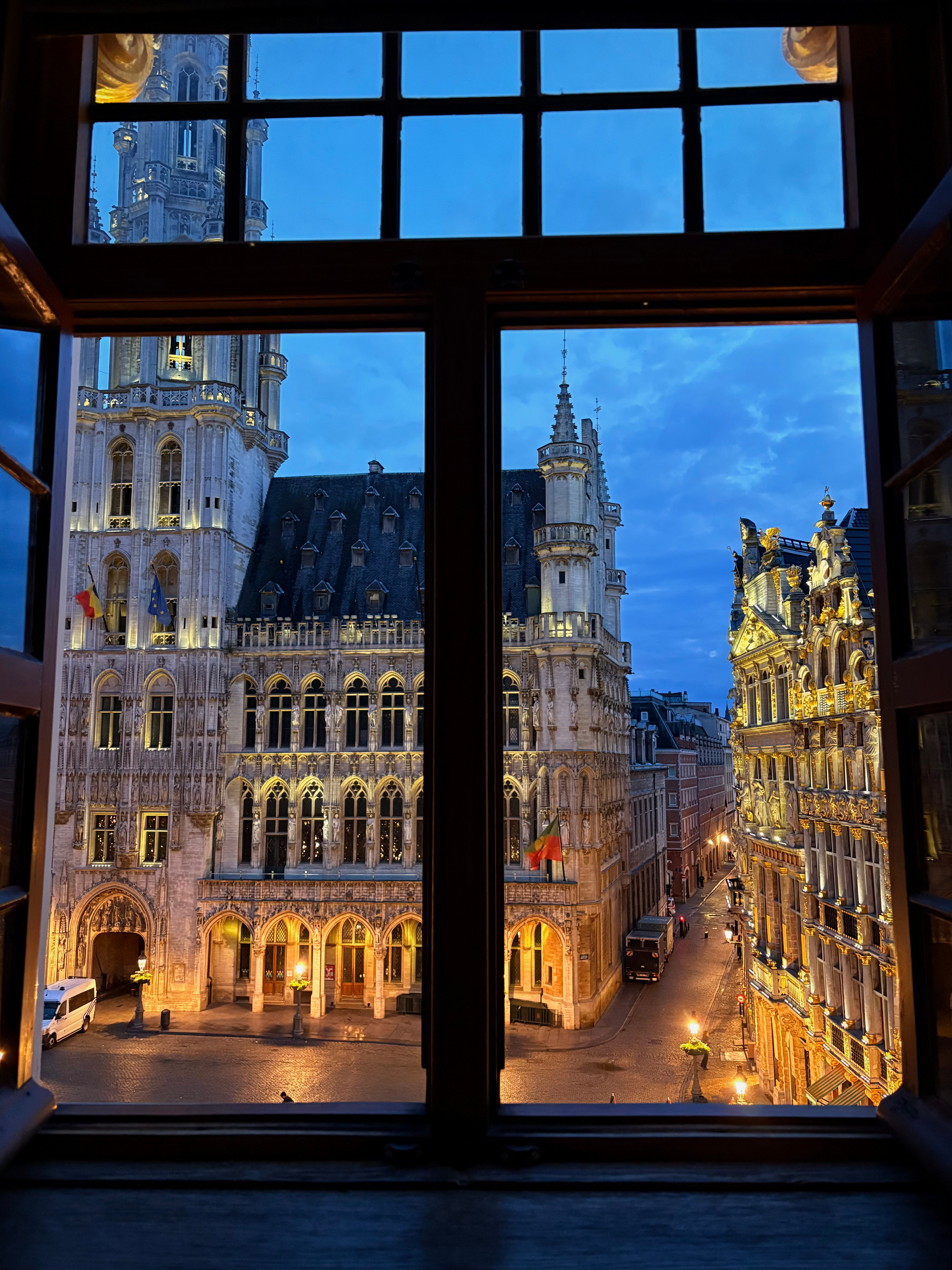
On May 16th, I landed at Brussels Airport with my dad, a few too many suitcases, and a mix of anticipation and nerves. We found my apartment in the city centre, started settling in, and then after a few transitional days, my dad flew home and I was on my own for the first time, properly, in a foreign country. Thursday the 21st marked my first day at the European Brain Council (EBC), but also a newfound kind of independence.
What I did not expect was how immediately the work itself would anchor me.
What went well:
Hitting the ground running on HEREDITARY.
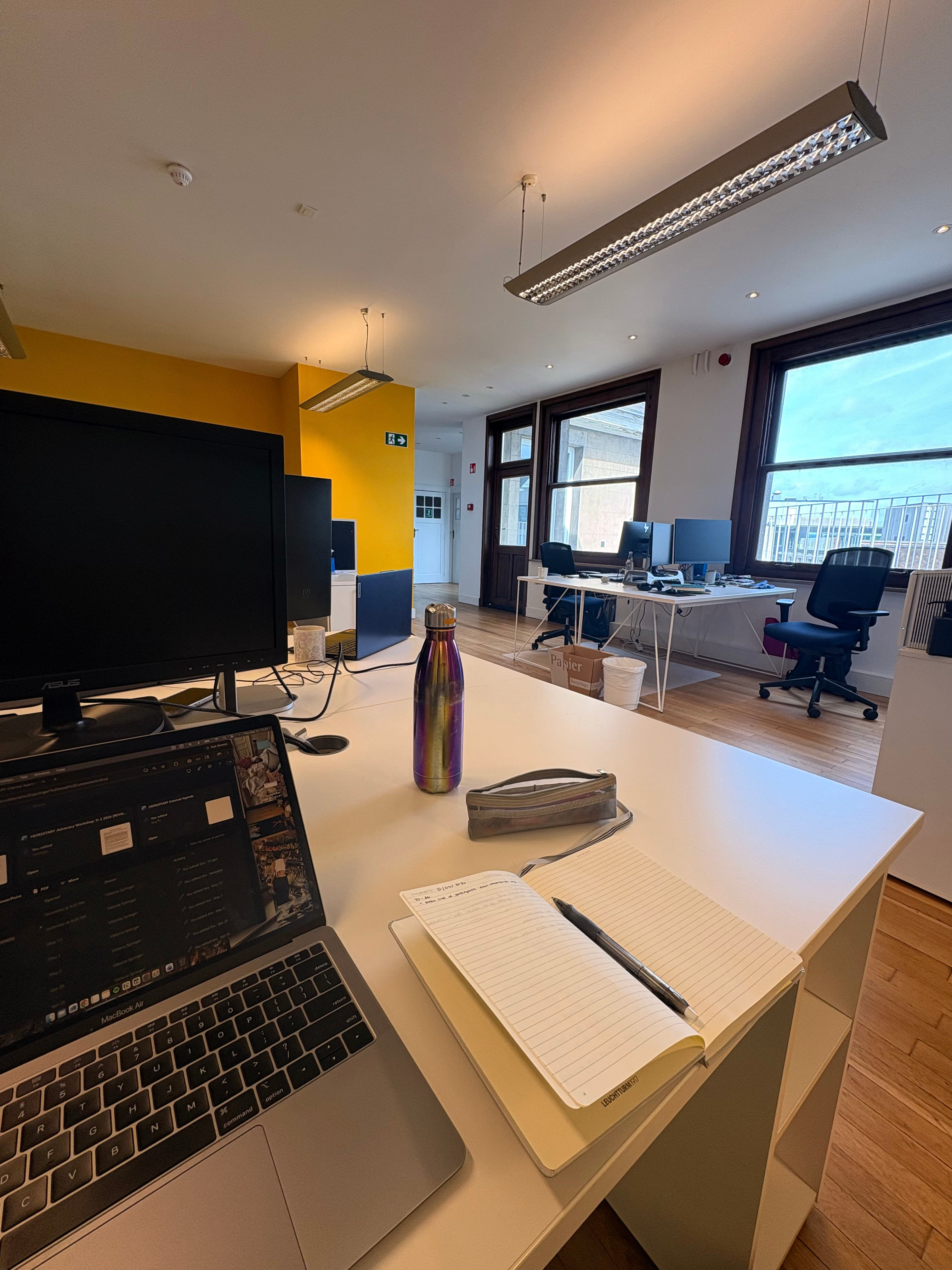
From day one, I was given meaningful, substantiative work, and I threw myself into it (not without some imposter syndrome of course). The centrepiece of the week, and my overarching LiA project, was the internal planning of the HEREDITARY Advocacy workshop. A bit on the workshop; the HEREDITARY Advocacy Workshop is a focused, high-level session taking place as part of the wider EU-funded HEREDITARY project. It is designed to strengthen the interface between scientific research, policy development, and society, with particular emphasis on how evidence generated within leading research initiatives can inform and shape European policy. I designed the workshop agenda and structure in full, mapping out how the session will flow, what it needs to achieve, and how to make it genuinely useful for the HEREDITARY consortium partners, researchers, civil society representatives, and global policymakers who would attend.
Beyond the planning itself, I began outreach to our HEREDITARY consortium partners; real stakeholder communication, in a real policy context, on behalf of a real organization (crazy right?). I also collaborated with the Communications team to develop social media content for HEREDITARY platforms, getting a feel for how advocacy messaging gets shaped for different audiences. For the first time, I felt like I had the opportunity to integrate my passion for neurodegenerative disease advocacy into my actual role, which I felt was more difficult to do in academia.
I also attended many meetings both internally at EBC and with external stakeholders, allowing me to observe how the team operates within the EU policy landscape; specifically, watching how decisions get framed, how partners are engaged, and how language is chosen intentionally. Being in those rooms, as well as being given the opportunity to present my work to the team, taught me more in a week than months of preparation could have.
What I learned about working with others:
Being included when you're the least experienced in the room.
Everyone at EBC was warm and welcoming from the moment I walked in, and that warmth has not faded. There is definitely an experience level gap between me and the rest of the team, and yet I have never once felt like the intern in a diminishing sense. They treat my contributions as contributions, not as the output of someone still learning the ropes.
What moved me most this week had nothing to do with work: the team is running a marathon, and they invited me to come along and take a group photo with them. It's a small thing for some, but when your colleagues are your only social connection in a new country, being included in something outside the office matters more than you think.
They have also been a quiet but consistent support in helping me navigate my nut allergy in a city where my French sometimes (admittedly) fails me. On more than one occasion, they took time out of their lunch break to help me find somewhere I could eat safely and comfortably. That kind of care is not something I take for granted, and will be a very memorable aspect of this experience.
The city:
Immersed and isolated, all at once.
There is a particular kind of loneliness that comes from being in the middle of everything and still feeling on the outside of it. My apartment is in the centre of Brussels; I can hear festivals happening right outside my window, music and voices and life surrounding me, and yet I experience much of this alone. The city is full, but I am still attempting to find my place in it.
When my dad left after helping me move in, something settled within me that I am still learning to sit with. It isn't quite homesickness; I am very excited to be here. It is more like the weight of realizing that I am doing something genuinely hard, and that it's supposed to feel that way at first.
My food allergy has always required me to advocate for myself, but that self-advocacy becomes exponentially harder in a foreign language and a new cultural context. I wish very much to be able to feel normal; to sit down at a restaurant and not have a second thought. The moments when someone does care about my wellbeing feels exponentially meaningful to me right now. My colleagues caring, genuinely, has made my transition a lot smoother in a still relatively unfamiliar city.
What I am learning is that advocating for myself in French is not so different from the advocacy I do professionally. It takes clarity, patience, and a willingness to repeat yourself until you are heard. I am slowly improving in this regard.
What I learned about leadership:
Bringing your whole expertise to a new environment.
This week showed me something about leadership I had not fully articulated before: expertise does not belong to one context. The knowledge and passion I have developed around neurodegenerative disease advocacy; the clinical literacy, the understanding of what different patient organizations need, and the ability to communicate across audiences all translate directly into policy work. It does not need to be rebuilt from scratch just because the environment is new.
What I am learning to do is translate: taking what I know and finding how it resonates in a room full of policymakers, partners, and institutional stakeholders. That translation work is a form of leadership I've identified in myself this week, and something I will continue to practice and implement.
I also observed, in the team around me, a kind of leadership built on genuine inclusion. The small, consistent effort of bringing someone into the fold, making sure they're comfortable, and making sure they have all the tools they need to succeed personally and professionally is the kind of leadership I aspire to demonstrate.
Looking ahead:
What I want to develop next.
Professionally, I want to deepen my understanding of how EU-level policy advocacy actually works in practice; the timelines, stakeholder dynamics, the relationship between organizations like EBC and the institutions they engage. I have had a first glimpse this week, and I look forward to discovering more.
Personally, I want to keep building confidence in French; not just in professional settings, but in the everyday moments that still feel somewhat uncomfortable. Every interaction is practice. I also want to find my first thread of social life outside the office, like a cafe I can work remotely in, a route I know by heart, or a routine that starts to feel like my own.
That concludes week one! It was laborious in ways I expected and ways I did not. It was also one of the most purposeful weeks I have had. I am excited to see what more is in store.
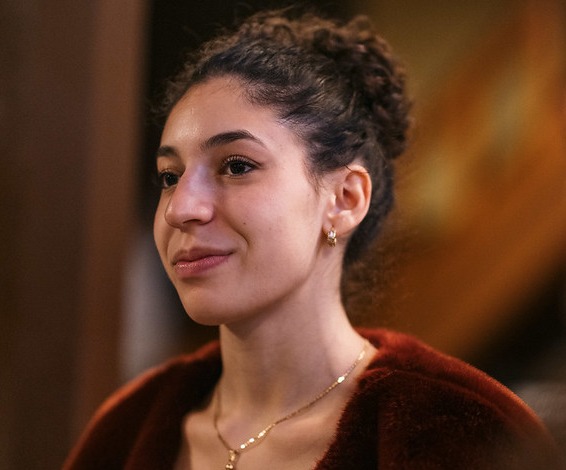
Hello! My name is Viktoria, and I’m a third year student at University of Toronto pursuing a Human Biology major and double minor in Immunology and Physiology. In my research, I'm investigating how immune dysfunction contributes to Parkinson’s Disease (PD) pathogenesis, a condition that has immensely impacted my family. My work integrates computational transcriptomic analysis of patient data with experimental validation in a preclinical mouse model. This integrative approach aims to uncover immune-related biomarkers that could inform precision-based, disease-modifying immunomodulatory therapies that slow or prevent PD progression.
My fascination with the immune system began with my own experience navigating everyday life with my anaphylactic allergies. Early exposure to the immune system’s complexity inspired my ongoing commitment to understanding how immune dysregulation underpins disease. PD is close to my heart, and I’m motivated to have my work contribute to better diagnostics and treatments for patients worldwide.
Looking ahead, I aspire to pursue graduate studies; either an MSc or PhD in immunology, neuroscience, or biomedical sciences. I’m passionate about translating academic research into real-world solutions and hope to build a venture that leverages immune insights for targeted, accessible therapies. I’m also a language enthusiast; I love learning new languages and immersing myself in different cultures, and I believe cross-cultural communication is essential for global health innovation and leadership.
When I’m not in the lab, you can find me studying in new cafes and trying new restaurants around Toronto, reading psychological thrillers or philosophical literature, hiking with my dog, or travelling abroad!
The Laidlaw Scholars Programme has been an incredibly meaningful part of my academic journey thus far, empowering me to ask bold questions, build hands-on research skills, and connect with a vibrant community of change-makers. If you’re curious about Parkinson’s research, immunology/neuroscience/biotech, or just want to connect, feel free to reach out on my LinkedIn. I’d love to hear from you!
Please sign in
If you are a registered user on Laidlaw Scholars Network, please sign in