Reflections of the Leadership Training and Development Sessions
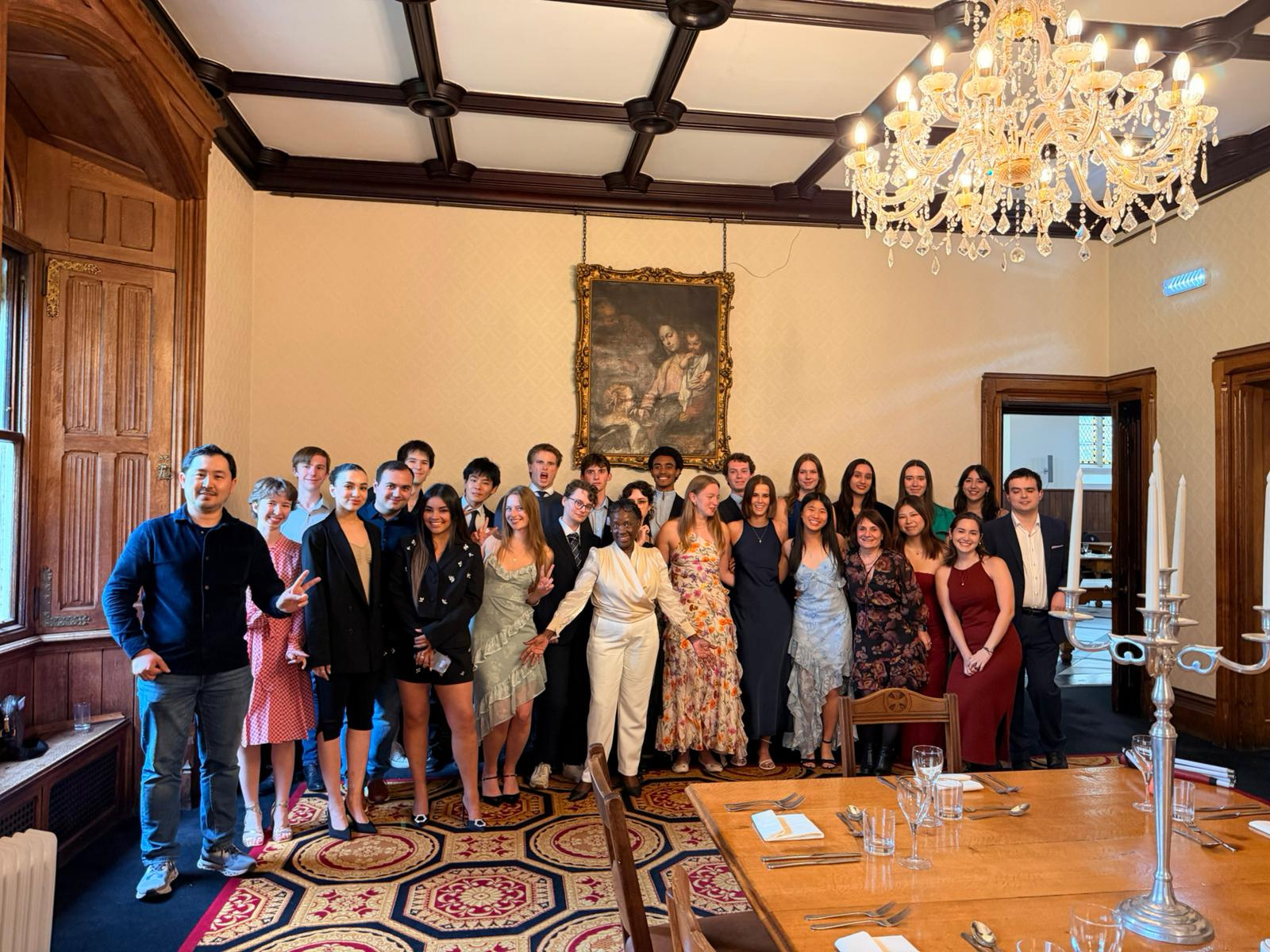
I would like to return to the day I first met my cohort at the Durham Laidlaw Welcome and Celebration event. I entered the building feeling a mixture of nervousness and anticipation, as this felt like the first real step in my Laidlaw journey. During the opening speeches full of commendation and encouragement, it suddenly dawned on me the importance and significance of this programme, leaving me feeling incredibly honoured and excited to begin. Listening to the 2025/26 cohort reflect on their experiences during the panel discussion revealed the remarkable diversity of research projects, spanning the arts and sciences, each with its own unique focus and contribution. Yet all projects had one thing in common: they demonstrated how academic research can be a catalyst for impactful change. The networking lunch followed, and I finally got the opportunity to meet my cohort. I found myself surrounded by passionate, accomplished, and intellectually curious individuals. By the end of the Durham Induction, I felt a massive sense of privilege - not only to have the opportunity to make a meaningful contribution to both academia and wider communities, but to do so alongside an incredible cohort.
We began our first training session with a series of ice-breaker activities, led by Chantelle. Our first task was simple: pair up with a scholar we didn’t know, learn about their research project, and introduce them to the rest of the cohort. As simple as that sounds, I found it incredibly daunting. Standing up and speaking to a room full of unfamiliar people was very much outside my comfort zone. However, as the first few introductions began, I started to feel more relaxed. I was struck by how confidently and enthusiastically my peers spoke, with everyone eager to engage and contribute. Public speaking appeared to come naturally to many of them. I had noticed this same self-assurance during the previous cohort's panel discussion at the Durham Induction, where scholars communicated their experiences with clarity and conviction. Observing others present themselves with such poise was both inspiring and motivating. It prompted me to set my first personal goal for the Laidlaw Programme: to develop the confidence to articulate my own ideas clearly and comfortably in front of an audience.
For our second ice breaker, we formed groups and were tasked with presenting a pitch to the rest of the cohort. Our challenge was to create ‘something revolutionary but with flaws’. During our brainstorm I was amazed by the creativity of our group. Their ability to think outside the box was something I greatly admired and recognised as an area I wanted to develop myself. So, I set a second goal for the Laidlaw programme: to learn from my cohort and strengthen my creative thinking and ideation. Having already introduced a fellow scholar to our cohort during the first task, presenting our pitch felt exciting rather than intimidating. Hold on... was I looking forward to speaking in front of an audience? I soon realised I was already making progress towards my goals (the ice-breakers had done their job!) and I was hopeful for more to come.
During this session, we compared our personal values, those we expect in leaders, and the values of Laidlaw. I came across the unfamiliar idea of moral courage - deliberately following your principles, doing what is right, and accepting the personal costs doing so may bring. Upon writing this reflection, I realised this term captured the exact idea I had tried to describe but struggled to articulate during another task, when we were asked to introduce a leader of our choosing. I decided on Dr Jane Goodall, a prominent conservationist who had done incredible work in the welfare of animals and people across the globe. I described her as dedicated, determined, and strong in her values. However, I feel ‘moral courage’ encapsulates her character entirely, and seems to be the common attribute among the world’s greatest leaders. They are distinguished not by authority, but their willingness to make challenging ethical decisions when remaining silent would be the most simple option. This requires integrity, ambition, accountability, and honesty – values our cohort highlighted continuously as essential in virtuous leaders. Moral courage is something we would return to during later training sessions and has no doubt remained in my mind as a vital aspect of leadership and changemaking.
On Day 2 of our training, we received an introduction to creating our academic posters by Professor Helen Costello from Durham’s Centre for Academic Development. We viewed posters from previous scholars, spoke about what went well, and what we would do differently. This helped to break down the initially daunting task of producing an academic poster into smaller, manageable steps such as correctly balancing written content, visuals, and open space. I am now looking forward to beginning my poster and using it as an opportunity to work towards my goals and develop my creative ideation.
On Days 3 and 4, we visited Ushaw College for leadership training sessions led by Guy Richardson. During, we delved deeper into what makes a good leader. Guy proposed 5 important qualities: knowledgeability, accountability, leading by example, going the extra yard, and emotional intelligence. I was particularly captivated by the latter quality as it elucidated the importance of empathy in ethical leadership. Empathy equips individuals with tools to make compassionate decisions and, importantly, build trust. This strongly resonated with my research project, which explores how children develop empathy, reinforcing its significance beyond interpersonal relationships and into the workplace later in life. This session shifted my perspective beyond my current research, and I left our discussions with a question: whilst the roots of empathy develop during childhood, does this remain malleable throughout adulthood? If so, my research into empathy development may provide a useful lens for future research to examine how ethical leaders are shaped and nurtured across their lifespan.
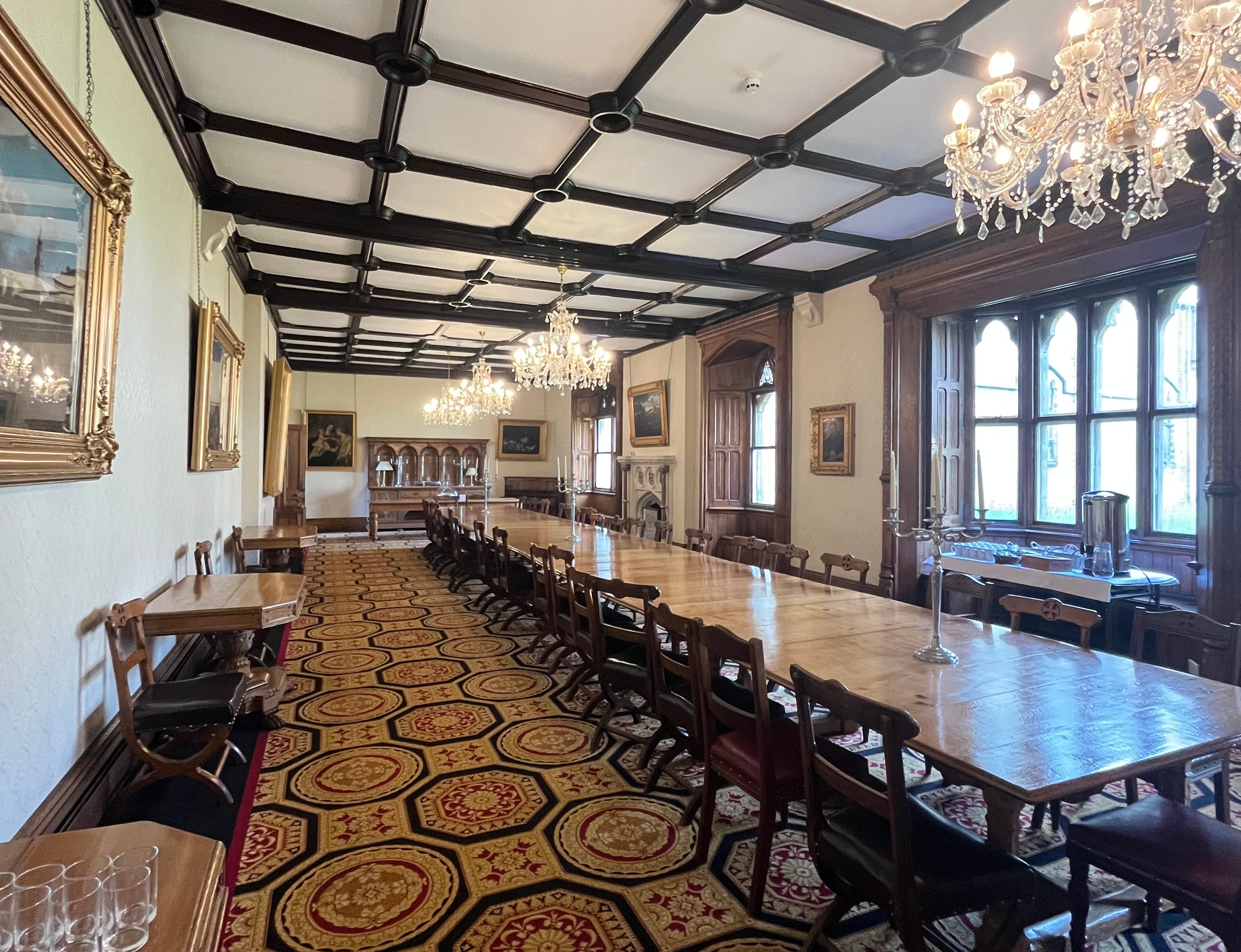
We also had the privilege of attending a formal dinner at Ushaw, held in the historic Parlour. It was an evening of wonderful food and great company. For myself and many others, the highlight of the evening was the transformative speech delivered by Professor Matete Madiba from the University of the Western Cape. Her academic and professional journey was one of unyielding determination; it taught me that with formidable ambition and resilience, no challenge is too large. Thanks to Guy’s training and Matete’s insights, I left Ushaw feeling empowered, motivated, and optimistic. I had the tools needed to grow into an ethical leader, and a remarkable role model whose example will continue to shape and inspire my journey.
Finally, I would like to thank Chantelle and Kamil for the delivery and organisation of these training sessions. They have encouraged us, as a cohort, to develop a strong sense of unity and cohesiveness, creating a supportive network that will help us navigate the opportunities and challenges we encounter throughout our Laidlaw journeys.

Hi! My name is Yanna, and I’m a second-year Psychology student at Durham University.
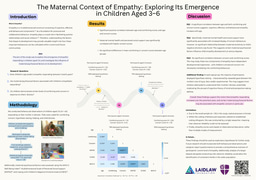
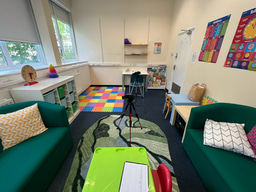
My research project (supervised by Professor Zanna Clay) explores how empathy emerges and matures in young children across cultures. I feel that today, empathy is more important than ever. In an increasingly digital world, social connections are changing and the erosion of deep passions, interests, and morals are leading to more individualistic societies. Understanding how empathy develops could help us to nurture its growth and contribute to more cohesive and compassionate communities.
Additionally, I hope to highlight the importance of recognising both the similarities and differences in psychological development across cultures. By doing so, I aim to promote greater inclusivity within the scientific community and support the development of culturally sensitive approaches to research and practice.