Reflections from BCUR26
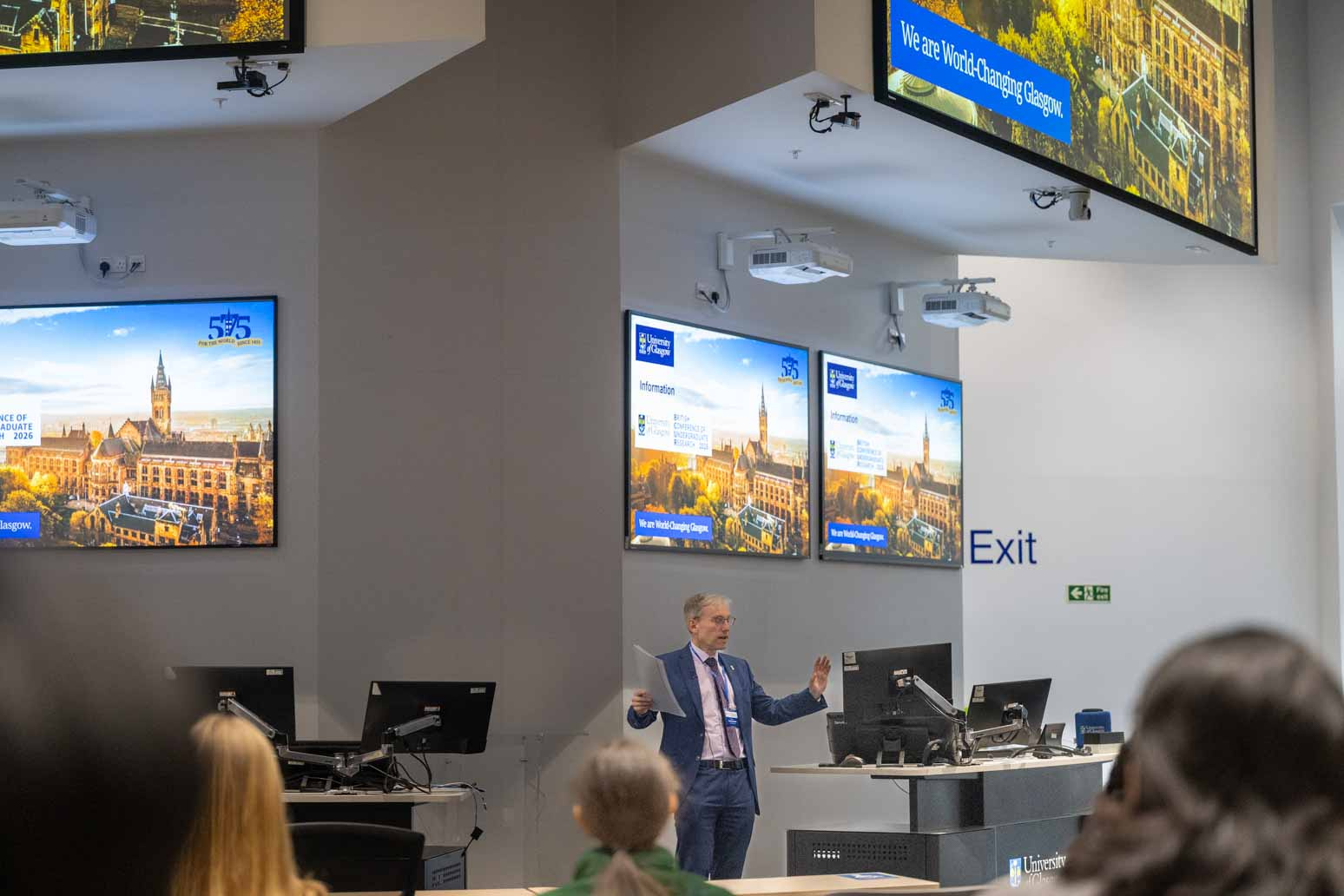
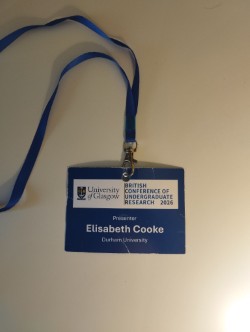
Last week, I had the privilege of attending the 2026 British Conference of Undergraduate Research (BCUR) at the University of Glasgow. The event brought together students from across the UK and beyond to present their summer, term‑time, and dissertation projects, while engaging in insightful workshops, keynote speeches, and meaningful conversations. I’m deeply grateful to the organising team for their generosity and care, from shared meals and networking opportunities in the Hunterian Museum to recommendations for exploring the beautiful, historic city and university.
Throughout the conference, there was a shared sense of ambition and enthusiasm that extended far beyond the formal programme. In every room, you could feel the energy of motivated, talented students taking the extra step to share their research and connect with others who care just as deeply about their fields. It was inspiring to watch ideas exchanged so openly between students and academics, each conversation offering new perspectives, encouragement, and opportunities that no agenda could have fully captured.
BCUR served not only as a platform for showcasing research outcomes but also as an environment designed to inspire open‑minded, multidisciplinary thinking, a theme introduced in the first keynote speech and carried throughout both days. Prof. Alison Phillips and Dr Tawana Sithole’s talk, “Earthed, Neutral, Live,” offered a powerful metaphor for research as a dynamic, evolving process. Their reflections on critical thinking, drawing on Hannah Arendt’s idea that “evil comes from a failure to think”, reminded us that both undergraduate and further research plays a vital role in cultivating thoughtful, grounded inquiry, and is vulnerable to ignorant, incomprehensive thinking.
Workshops led by academics from the University of Glasgow further reinforced this message. Diane Nolar, Aaron McKenna, and Katrina Gardener’s session, “My Degree Value & Future,” touched on something many of us recognise: with so many young people now entering higher education, degrees alone no longer differentiate us in the way they once did. Instead, they explored how higher education can be a space for self‑agency and experimentation, encouraging students to use university as a platform to explore, create, and learn from mistakes. They also emphasised the enduring value of research skills, a reminder that these abilities are central to our growth as future professionals and change‑makers.
Another workshop I had the pleasure of attending, “Purpose: Rethinking Growth for Sustainable Futures,” delivered by Paulina Narrouzoglou, offered a thought‑provoking look at the tension between economic growth and environmental and social sustainability. Her key message, “Big changes start small; not everyone has to be on board, just a small group of hopeful and committed people”, as an undergraduate researcher trying to create meaningful, lasting change, was a powerful reminder that impact often begins at the individual level, driven by intention and persistence rather than scale.
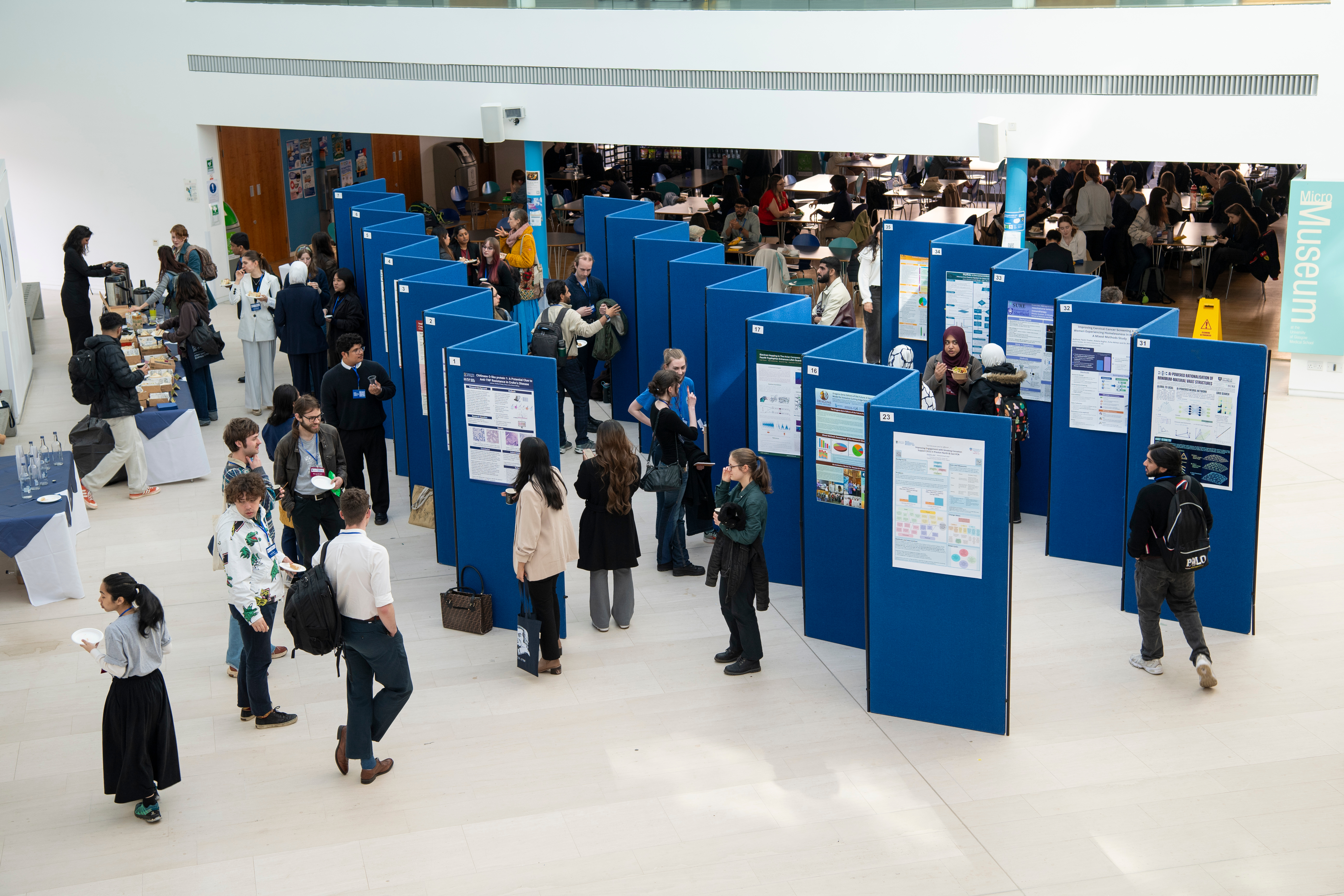
Across both days, I had the chance to hear presentations and poster pitches from students representing a wide range of disciplines, from arts and humanities to STEM. One of the highlights was watching presenters’ faces light up as they spoke about their work, a genuine enthusiasm that served as a brilliant reminder of the passion and curiosity that sit at the heart of undergraduate research.
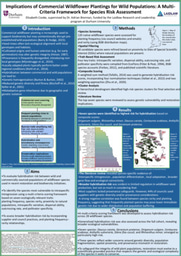
My key takeaway from BCUR 2026: research is an opportunity to make informed change, starting with small, individual efforts that build towards impactful, sustainable outcomes. Thank you to all the students and academics I had the privilege to meet, and to the organisers and University of Glasgow staff for creating such an inspiring and enriching experience. I hope that, in presenting my own research, I was able to contribute even a fraction of the inspiration I received.

Hi! I'm Lizzie, a second-year Biological Sciences student at Durham University. Deeply passionate about advocating for and taking action to maintain environmental health and sustainability, I aim to contribute meaningfully to these efforts by expanding my understanding of such challenges and collaborating with like-minded individuals who share a dedication to environmental conservation.
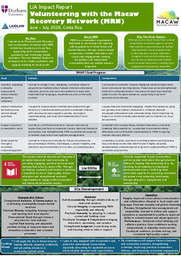
I have a particular interest in conservation strategies that focus on umbrella species, such as the macaw, where protecting one species can generate wider ecological benefits for entire ecosystems. This interest has been deepened through my current summer placement with the Macaw Recovery Network in Costa Rica, where I am contributing to species recovery and environmental education. My work includes practical conservation tasks at the breeding centre and reserve, supporting welfare and maintenance, developing resources for volunteers, and collaborating with staff and community members to strengthen outreach programs.
Alongside this, I am documenting activities and recommendations to create a volunteer guide, ensuring future interns and volunteers can contribute effectively. These experiences are helping me explore how conservation initiatives can balance ecological impact with community engagement, while also testing and developing my leadership capacities and character.
In my free time, I actively participate in environmental volunteer work and love to do anything creative, from painting to crocheting and reading. I also enjoy spending time outdoors, particularly dog walking, and practising karate with my university club.