Reflection on the Laidlaw UK Conference 2026: Best Poster Presentation Award, Global Citizenship, and Beyond

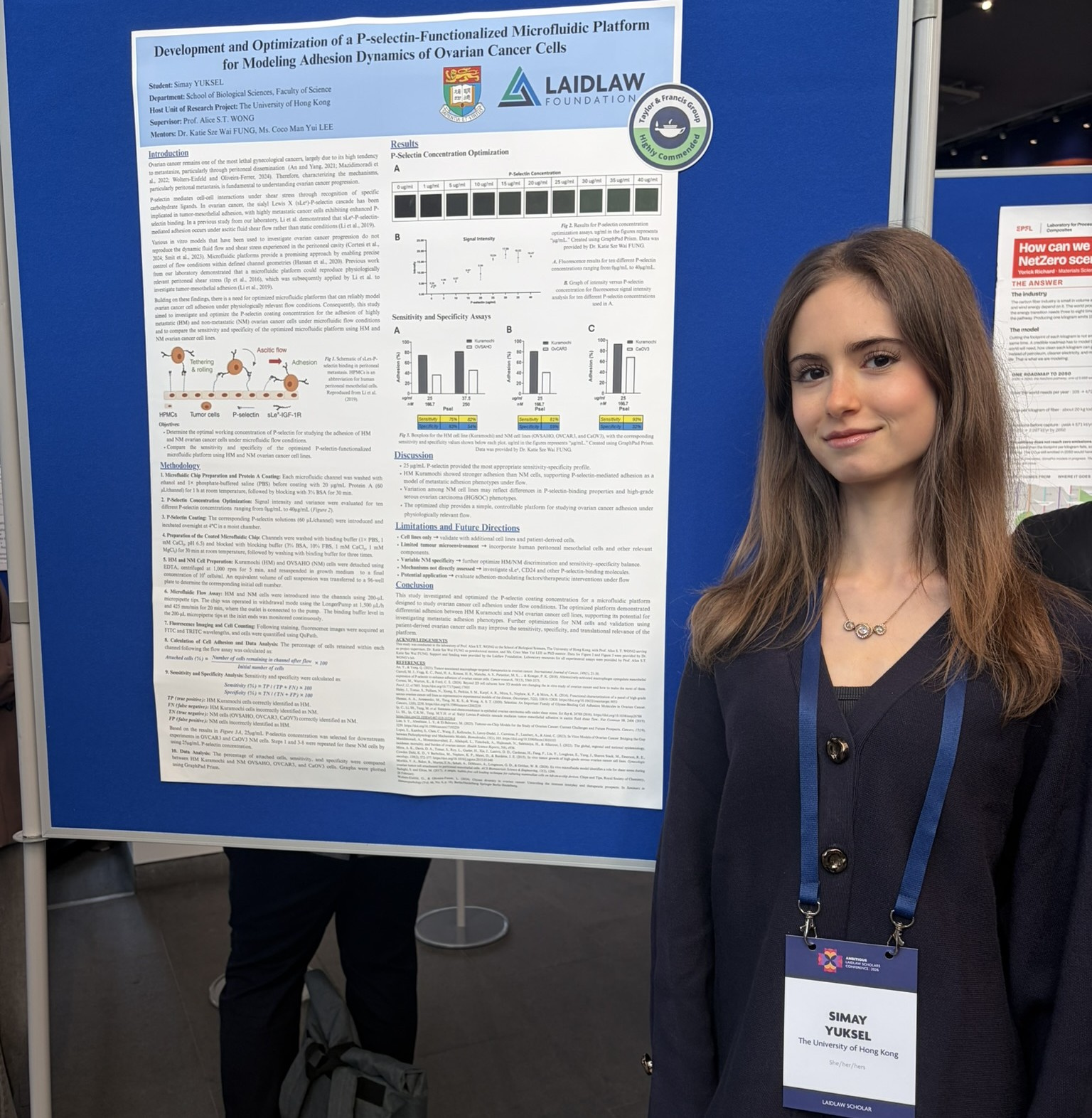
For more details about my research presentation, the Best Poster Presentation recognition, and my experience at the Laidlaw Scholars’ Conference 2026, feel free to visit my LinkedIn post here.
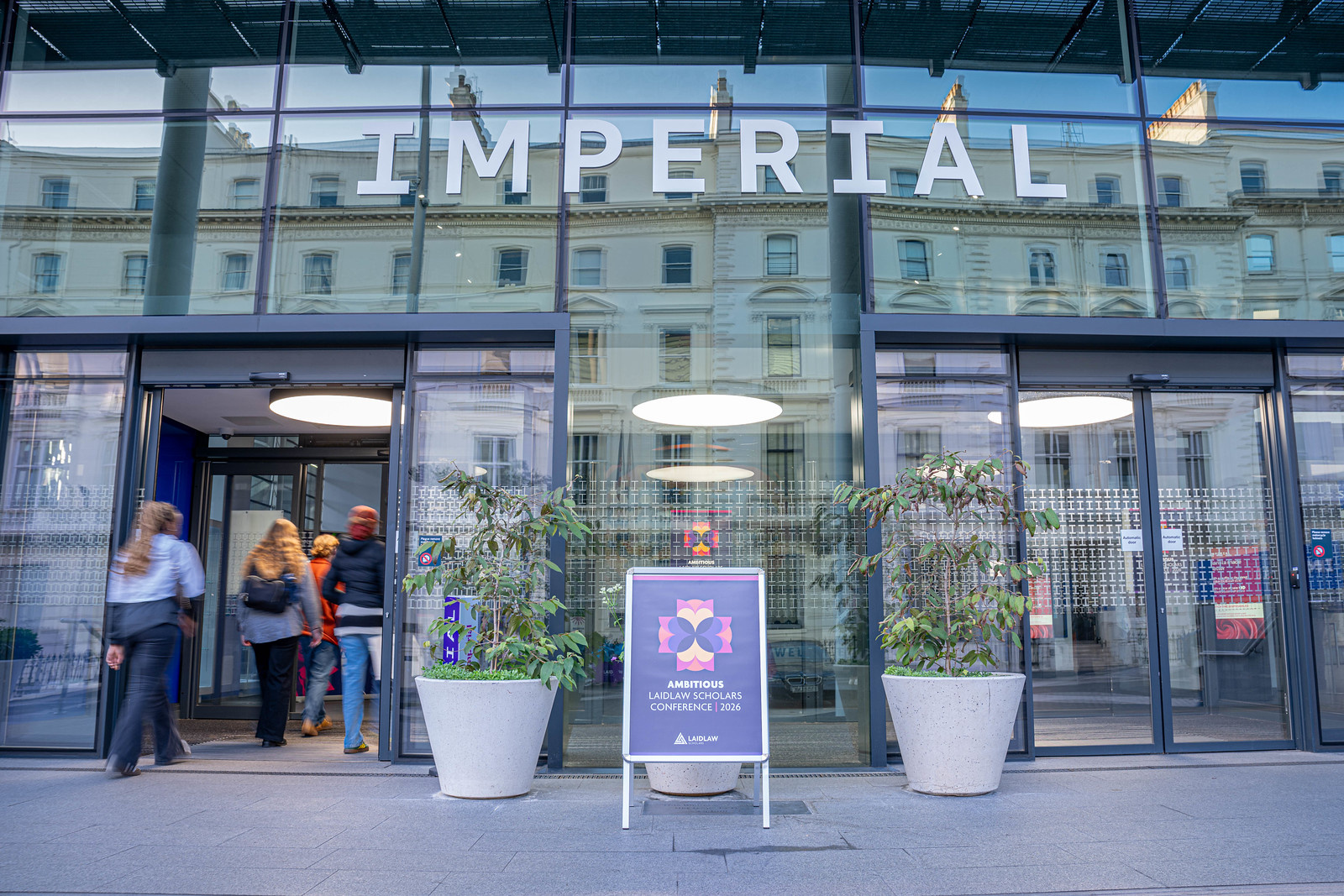
From presenting my research at Imperial College London to exchanging ideas with scholars from across the world, the Laidlaw Scholars’ Conference 2026 was a meaningful opportunity to reflect on how far I have grown through the Laidlaw Scholarship, not only as a young researcher, but also as a future leader and global citizen.
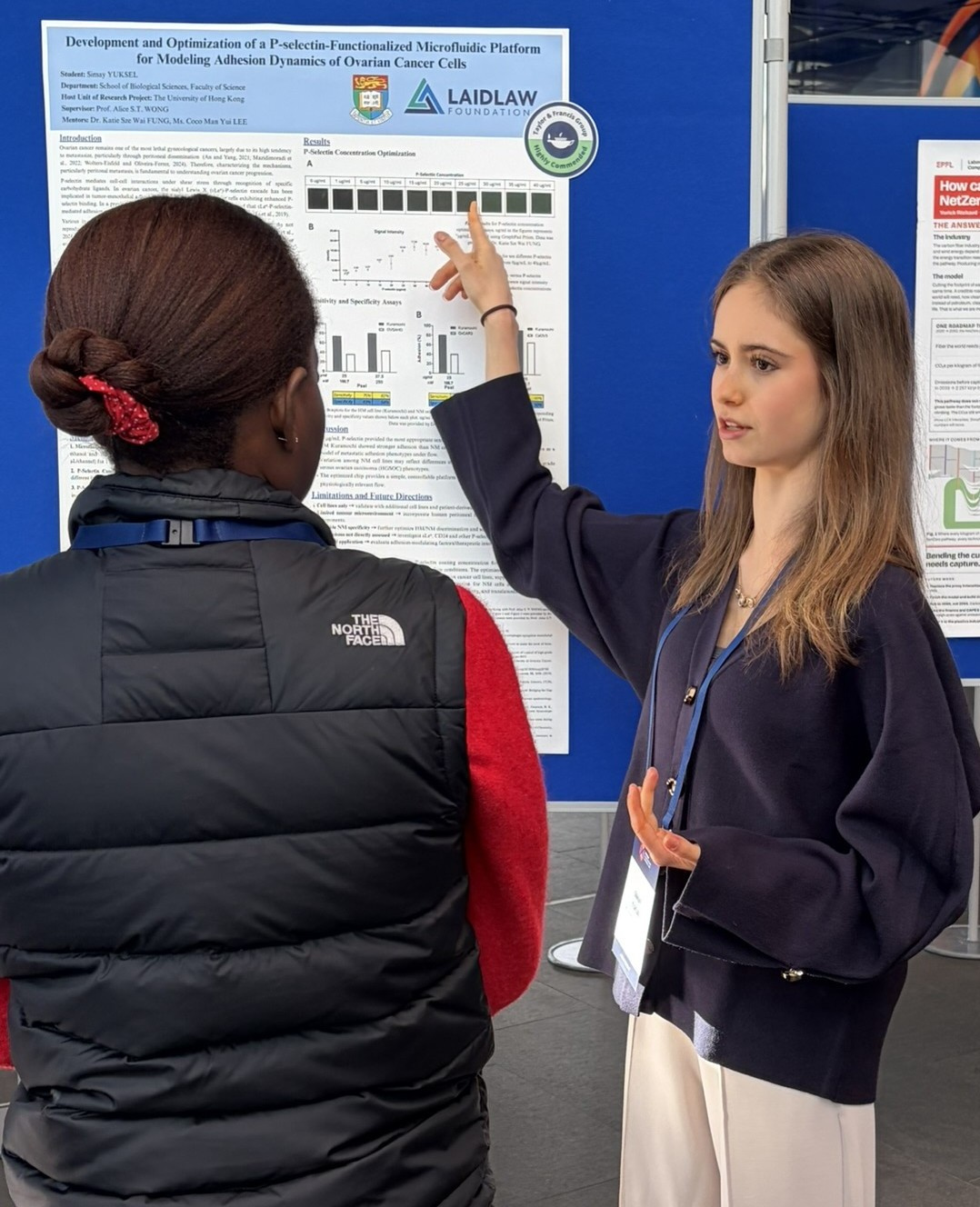
Held from 16-18 October 2026 at Imperial College London, the conference brought together Laidlaw Scholars from partner universities worldwide, including Cambridge, EPFL, Imperial, the University of Toronto, Duke, and The University of Hong Kong. Across more than 300 research posters spanning diverse disciplines, I was honoured to be selected as one of the 24 Best Poster Presentation Award recipients globally, the only recipient from HKU and one of two from Asia. My research poster on modelling ovarian cancer cell adhesion dynamics was also recognized as “Highly Commended” by Taylor & Francis and selected for publication through F1000.
While this recognition was deeply encouraging, what made the experience particularly meaningful was the opportunity to learn beyond the boundaries of my own research.
Broadening Perspectives Through Research and Collaboration
One of the most valuable aspects of the conference was engaging with fellow Laidlaw Scholars whose research addressed challenges across an extraordinary range of disciplines. Listening to their presentations and exchanging perspectives broadened my horizons and deepened my appreciation for the different ways scientific inquiry can contribute to meaningful impact.
As a molecular biology student, I have naturally developed a strong interest in understanding complex biological mechanisms through research. However, the conference reminded me that addressing global challenges requires more than expertise within one discipline. Scientific progress also depends on the ability to communicate across fields, remain open to unfamiliar perspectives, and recognize how different areas of knowledge can complement one another.
Presenting my own research also strengthened my ability to communicate scientific ideas to audiences beyond my immediate field. Explaining the significance of a microfluidic platform for modelling ovarian cancer cell adhesion required me to think critically about not only the experimental findings, but also their wider relevance and future potential.
These experiences reinforced the importance of curiosity, critical thinking, and a collaborative mindset: capacities that I hope to continue developing throughout my academic journey.
From Individual Achievement to Collective Impact
The Laidlaw Scholarship has taught me that leadership is not defined solely by individual achievements, but also by the ability to contribute meaningfully to others and to the wider community.
At the conference, I was particularly inspired by the curiosity, ambition, and commitment to positive impact demonstrated by fellow scholars. Despite working across different disciplines and coming from different cultural and academic backgrounds, we shared a common motivation to use our knowledge and experiences to address challenges beyond ourselves.
This reinforced my understanding of global citizenship: being willing to look beyond familiar environments, appreciate perspectives different from my own, and recognize that meaningful solutions often require collective effort.
I also came to appreciate that collaboration is not simply about sharing ideas, but about listening, learning, and creating an environment in which different perspectives are valued. I hope to carry this mindset into future research collaborations and leadership opportunities, fostering connections that extend beyond the conference and develop into lasting, meaningful partnerships.
Character, Integrity, and Ethical Leadership
Another important reflection from the conference was the role of character in scientific and professional leadership.
Research inevitably involves uncertainty, setbacks, and results that do not always align with expectations. Throughout my own research experience, I have learned that scientific progress requires determination and courage to confront unexpected findings, humility to acknowledge limitations, and integrity in communicating results accurately.
Receiving recognition for my poster was encouraging, but it also reinforced my responsibility to approach future research with the same commitment to scientific rigour and honesty. I believe that ethical leadership begins with accountability, not only for the outcomes we achieve, but also for the processes through which we achieve them.
As I continue developing as a researcher, I hope to lead with curiosity, humility, and integrity, while remaining conscious of the broader implications of scientific work. In particular, research in women's health reminds me of the importance of ensuring that scientific questions are pursued with a genuine commitment to addressing unmet needs and contributing to society.
Continuing the Journey as a Global Citizen
Looking ahead, I intend to carry these lessons into my continued academic and research journey. As I progress through my combined BSc and MRes degree, I plan to continue developing my ovarian cancer research through my master's thesis, exploring questions surrounding cellular adhesion pathways and potential future applications of AI-assisted pathological analysis.
Beyond my immediate research interests, I hope to remain actively engaged with the international Laidlaw network, learn from scholars and researchers across disciplines, and contribute to collaborative initiatives that create positive impact.
The Laidlaw Scholarship has encouraged me to see leadership not as a position to attain, but as an ongoing commitment to learning, taking responsibility, and using one's capabilities in service of others.
I leave the conference not only encouraged by the recognition of my research, but also with a broader perspective on the kind of researcher and leader I aspire to become: one who remains curious, embraces diverse perspectives, acts with integrity, and uses scientific knowledge to contribute meaningfully to the world.
I am deeply grateful to the Laidlaw Foundation for bringing together such an inspiring global network and creating opportunities for scholars to learn, collaborate, and grow beyond their individual institutions.