Night Owl in an Early Bird's Cage

Being nearly a week out from the end of my research period has left me in a state of anticipatory limbo. We are too far out from the September deadline for it to be accurately described as ‘looming,’ but at the same time it is hard to accept that the programme is, essentially, over.
The programme as it was run had a steady rhythm to fit into; Weekly meetings with my supervisor, Laidlaw cohort sessions, ordering archival material, two-hour trains to Edinburgh, and the small but effective accountability that comes from knowing other scholars are beginning their work at roughly the same time as you. Even mostly independent research carries a surprising amount of structure when it exists inside of an institutional framework. Now this framework has fallen away, and I find I don’t entirely miss it.
For anyone who has attempted to organise meetings with archivists or navigate library closing hours, the idea of archival research as a carefree, self-directed pursuit is quickly forgotten. Archives have their own schedules, supervisors have theirs, and the work inevitably must adapt to both; and rightly so. Learning to work within those parameters is part of learning to conduct research professionally. My weeks quickly settled into something resembling a conventional working day, not because I found myself naturally or effortlessly well-suited to it, but because the collections, institutions, and people supporting the project required it.
Unfortunately, my nebulous circadian rhythm remained unconvinced.
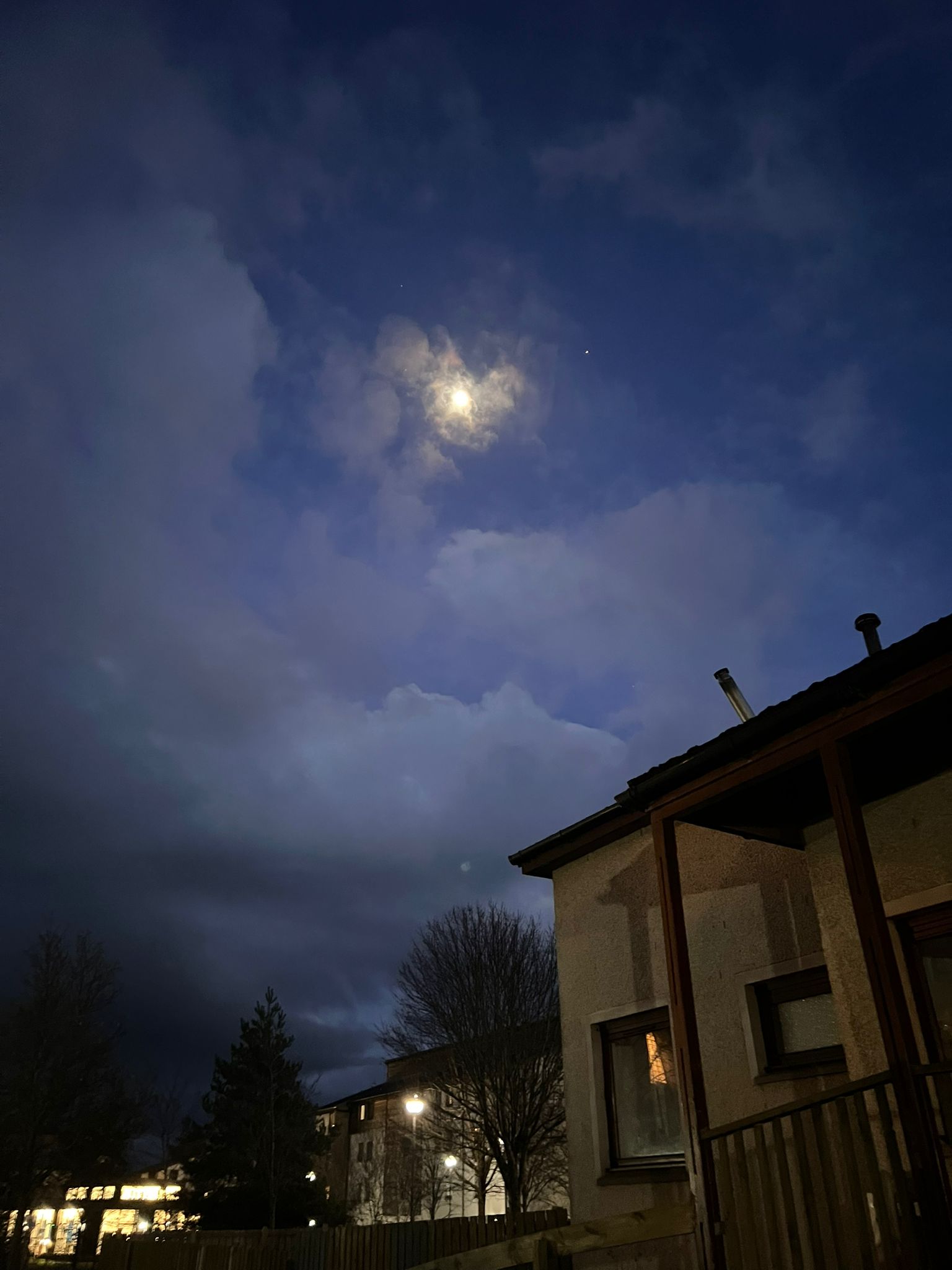
I have never been especially good at existing within the hours reserved for daytime, waking, “watch the sunrise and sigh wistfully into my herbal tea” brands of productivity. Give me a difficult or repetitious problem at ten in the evening and I will happily spend hours working through it. Present me with the same task at nine in the morning and I will force my way through without momentum, cup of too-strong coffee in hand. The conclusion of the programme has, somewhat unexpectedly, removed the tension between these two sides of myself.
Without fixed visiting hours or scheduled meetings filling each weekday, my work in producing the written project outputs will become entirely self-directed. That freedom is accompanied by a greater responsibility to manage my own progress, beyond that which the research period has already taught us, but it also means I can finally organise my work around the hours in which I feel the most alert and focused. If a night of stubborn wakefulness turns into hours spent tracing connections between missionary filmstrips and amateur theatre, there is no longer any particular reason to resist it.
That freedom can, of course, become dangerous. It is tempting to imagine that the disappearance of external structure grants permission to drift indefinitely between productive outbursts. In reality, I have found the opposite to be true as my internal measure of ‘diligent work’ has shifted. Perhaps this has been the most unexpected lesson from the past six weeks. Structure was invaluable while I was learning how to conduct research, but I look towards the output production phase ahead with the knowledge that routine is not built on outside influence alone. An eight-hour session cataloguing materials does not suddenly become less valuable because most of it happened after sunset. Careful reading is still careful reading, whether it happens beneath fluorescent lights in a library reading room or at a desk basking in the midday sun.
There is, admittedly, still something slightly ironic about ending a programme built around leadership and professional development by discovering that I do my best work (and am indeed, my best self) while most sensible people are asleep. But perhaps that, too, reflects one of the quieter strengths of research. It rewards consistency more than convention. The important thing is not whether the work begins at eight in the morning or eight at night, but that it continues to move forward, and that you show up for your peers and supervisors as someone they can depend on, no matter the hour.