LIA: Six Weeks in Japan- Learning to Listen, Learning to Lead

Six Weeks in Japan: Learning to Listen, Learning to Lead
I have always admired Japan: its culture, its people, its meticulous approach to life. So when I had the opportunity to intern with Wake Up Japan (WUJ) for six weeks as a Laidlaw Scholar, I didn't hesitate. I was finally getting to visit the country I had dreamed about for years. What I didn't expect was how deeply the experience would change my understanding of social change, activism, and what it means to be a leader.
Beginning My Internship
When I landed in Japan in mid-July, I was nervous but excited. As an international student who moved to the USA from India when I was young, I thought I understood cultural transitions. But Japan was different. Yet, to my surprise, every cultural shock I experienced was positive.
The trains ran on time. The cities were immaculate. People were incredibly considerate. The food was incredible (I'm vegetarian, so navigating options was its own journey). Walking through Hayama, the small coastal town where Wake Up Japan's office is based, I felt this sense of calm I hadn't expected. It's a beautiful country, and living there, even briefly, revealed a society that takes care of its people in ways that made me reflect on my own experiences back home.
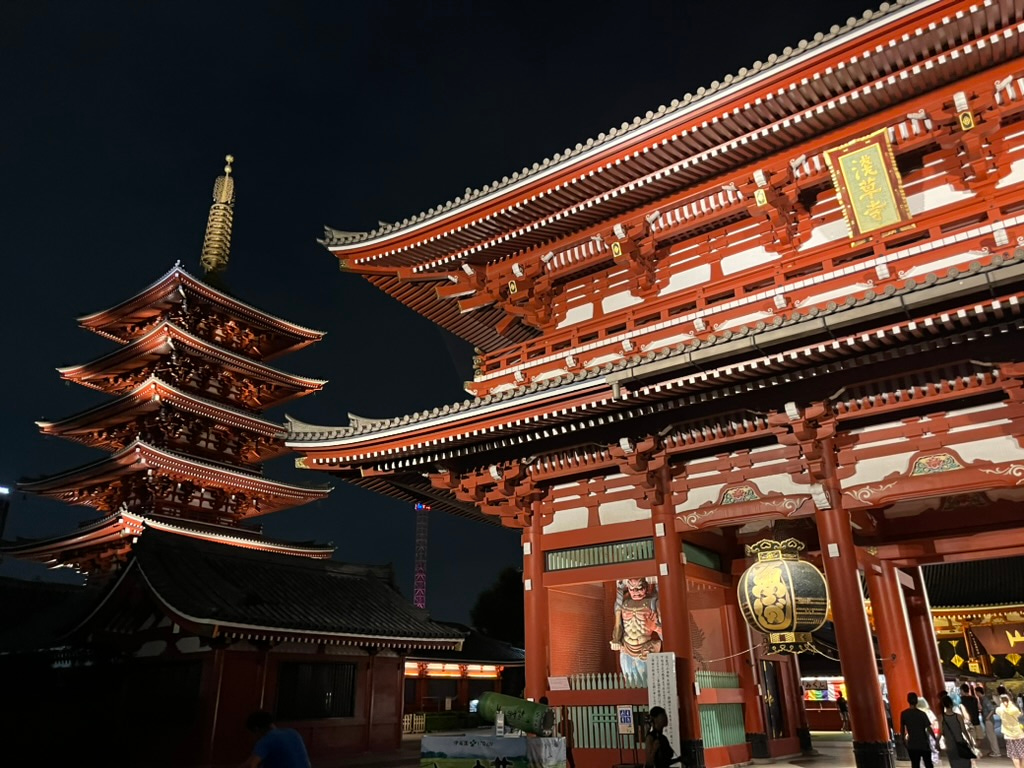
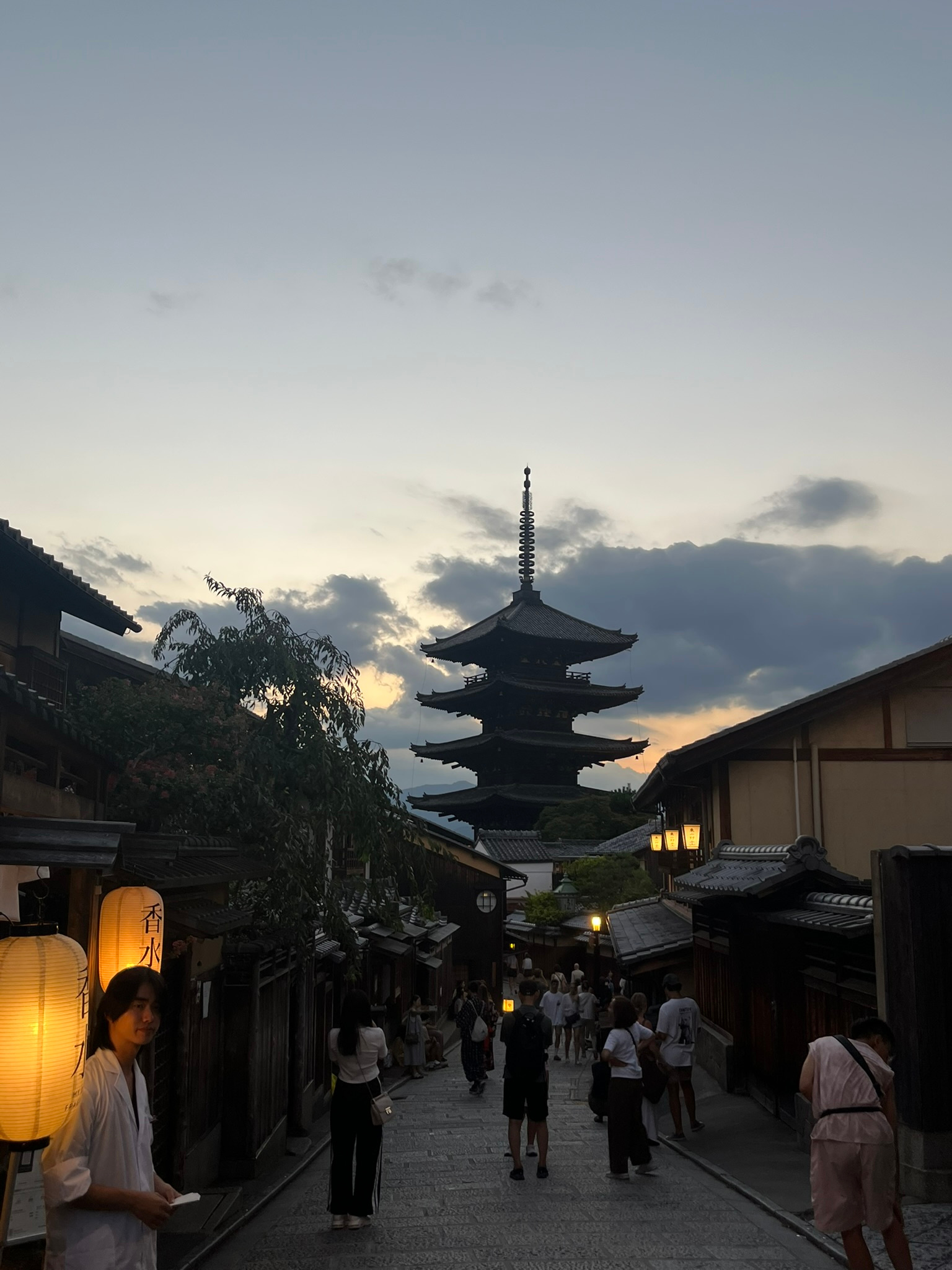
Over those six weeks, I also traveled to Tokyo, Kyoto, Osaka, Kamakura, and Fujisawa. But the most meaningful learning didn't come from visiting these places. It came from the dialogue sessions, workshops, and conversations I had with real people trying to create change in their society.
 .
. 
Engaging in Dialogue and Change
When I tell people I interned at an NPO focused on social education and youth advocacy, they often assume I was doing typical nonprofit work, maybe organizing events or updating websites. The truth is messier and more rewarding than that.
Yes, I worked on digital presence, creating Instagram content and developing website materials. But that was surface level. What I actually did was immerse myself in Japanese society and its social movements.
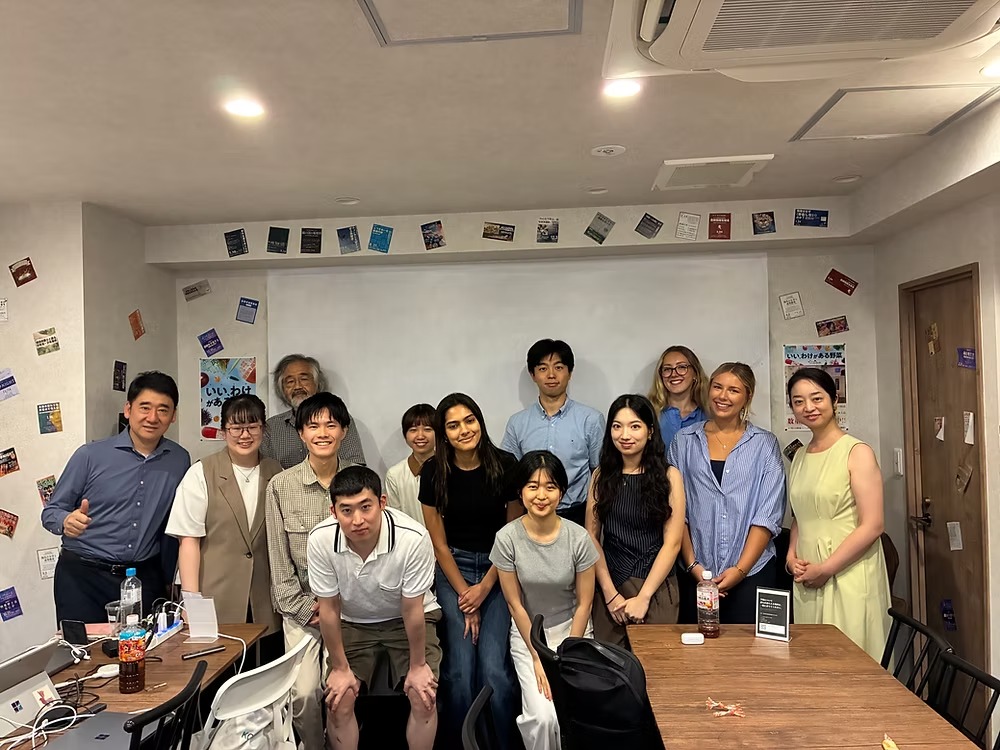
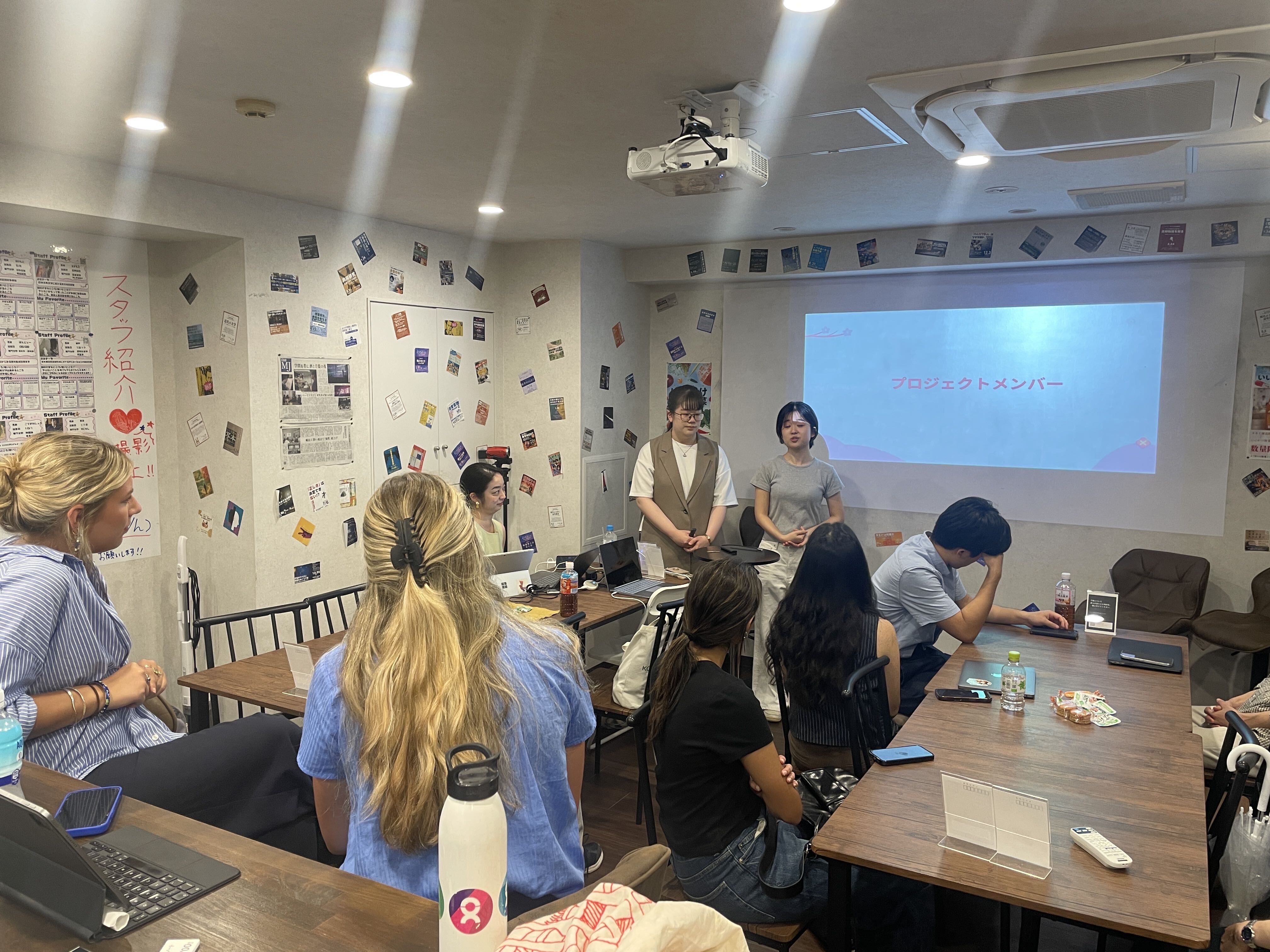
I facilitated dialogue sessions with Japanese students about gender inequality, political voice, and citizenship. I sat with young people and really listened as they shared their frustrations about career stereotypes, limited curriculum on social issues, and their complicated relationship with activism. Some were passionate. Others were skeptical. Many were unsure whether they, as individuals, could actually create change.
I volunteered at D-Lab Tokyo, a workshop on global citizenship education where Wake Up Japan led discussions on xenophobia. Watching ordinary people like students, community members, and activists show up to have difficult conversations about real issues was powerful. It wasn't academic. It was people wrestling with hard questions about their society.
I also took on projects to help WUJ reach more people internationally. I created content, worked on the website, and put together a form to collect stories from past scholars. The thing is, when I was figuring out how to do this work, I realized it wasn't really about promotion. It was more like, I wanted to show other young people from around the world, especially non-Japanese speakers, that there's actually space for them here. That their perspective matters. So when I was telling these stories about past scholars, I was basically trying to say: this could be you. You could come here and do this work too. That felt more important than anything else.
I attended a lobbying session where young people presented issues directly to a ruling party minister. I watched kids talk to politicians, and politicians actually listen. That's democracy in action. That's activism in Japan.
I also spent time with my host, Yoichi Suzuki, the head of Wake Up Japan. Yoichi became more than a supervisor. He was a mentor, a guide, and genuinely one of the most thoughtful people I've met. He helped me understand the deeper work WUJ was doing: not just raising awareness about social issues, but fundamentally shifting how Japanese people think about their power to create change.
Understanding Japanese Society Through Conversations
The most important part of my internship wasn't anything I produced. It was the conversations I had.
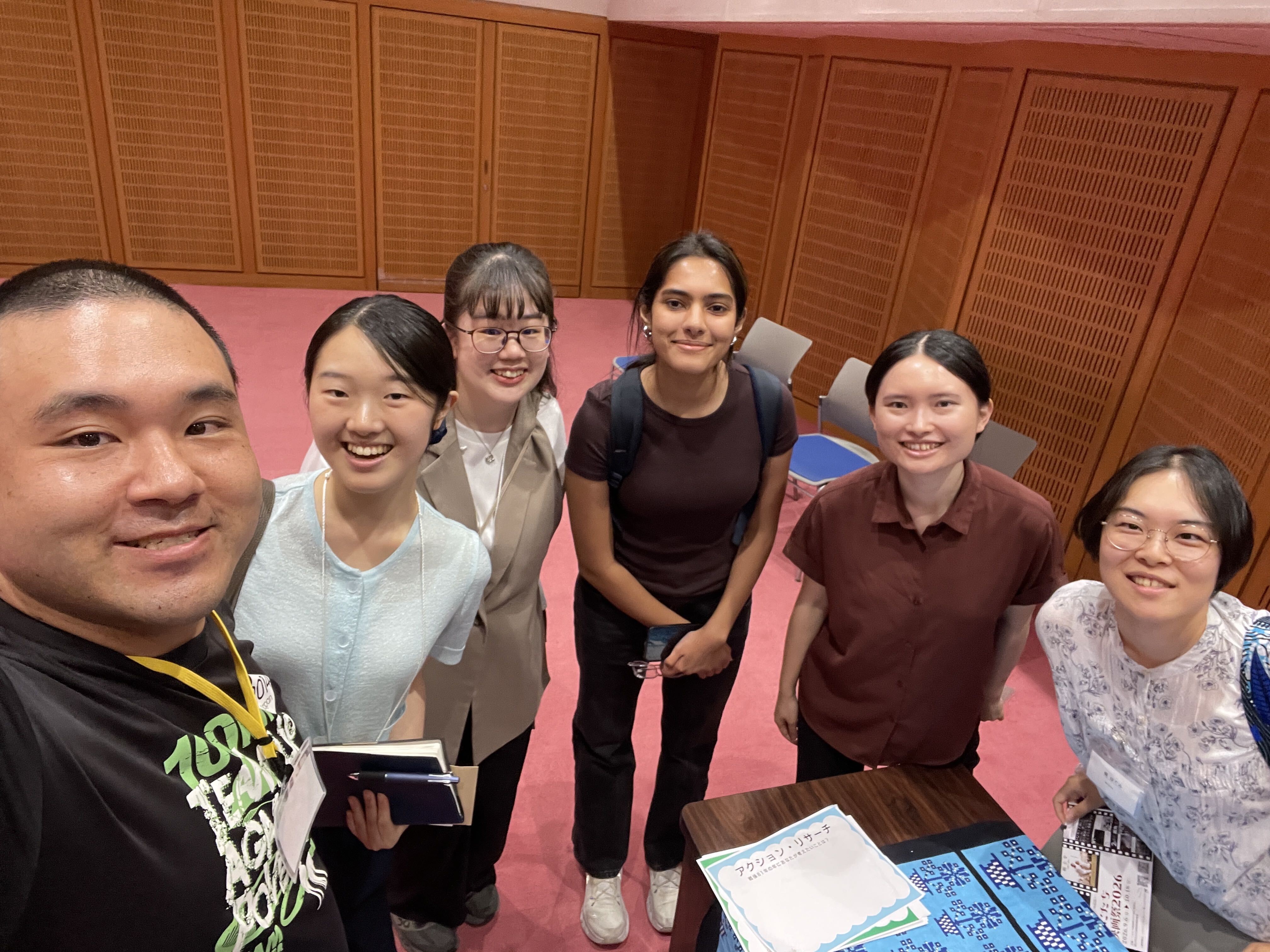
I spoke to Japanese youth about gender issues in their country. They told me that while gender inequality is discussed, it's not deeply woven into the school curriculum. Career paths are still heavily gendered: nursing for women, medicine for men. Some young people were frustrated about this. Others seemed resigned, as if these were just "how things are."
But here's what struck me most: many didn't believe they could change these systems. There was a disconnect between recognizing a problem and believing they had agency to address it. This ties to something Wake Up Japan's founder, Yoichi, explained to me: in Japanese society, there's a cultural tendency to view social problems as matters of personal responsibility, not systemic issues requiring collective action. If you're struggling, it's seen as your failure, not society's responsibility.
I shared my perspective too: being from India, studying in the USA, and what I've observed about how different societies approach gender and activism. These conversations were really fun. They were genuine exchanges where I learned as much as I shared. So cool to see how people my age think so differently on the other side of the globe!
What I realized was that social change doesn't happen through individual heroics or top-down mandates. It happens through dialogue. Through young people feeling heard. Through communities believing they have the power to transform their world.
The Beauty of Slow, Relational Work
One of the most important lessons I learned is that meaningful social change takes time. It requires patience, consistency, and genuine relationships.
Wake Up Japan doesn't operate with the urgency of a campaign-focused organization. Instead, Yoichi and his team build relationships with communities, listen deeply to what people care about, and create spaces where conversations can happen. This approach felt slow sometimes, but I came to see it as wisdom, not inefficiency.
I also learned that leadership in this context looks different than I expected. It's not about having all the answers. It's about creating conditions where others can discover their own power to act. It's about listening more than speaking. It's about showing up consistently, even when change feels incremental.
Yoichi embodied this. Every day at the office, he was present, answering questions, providing guidance, and creating space for people to grow. He didn't tell me what to do. He asked questions that helped me figure out what mattered most and how I could contribute authentically.
Personal Transformation
When I arrived at Wake Up Japan, I came believing that young people could create change. But I didn't know how. I thought activism was about organizing protests, writing manifestos, or pushing policy.
I'm leaving understanding that activism is about something deeper: it's about dialogue, empathy, and believing that ordinary people have extraordinary power when they work together.
I also came as someone who admired Japan from afar. I leave having lived there, navigated its systems, eaten its food, traveled its countryside, and most importantly, listened to its people. That changes everything. Admiration from a distance is easy. Admiration rooted in real human connection stays with you.
The culture shock I experienced was entirely positive. Witnessing a society that prioritizes collective wellbeing, where trains run on time and people care about details, it made me reflect on what I want to contribute to the world. It also made me realize that even well-functioning systems can have blind spots. Japan's stability and order sometimes mask deeper conversations about equality and individual agency that need to happen.
Looking Ahead
I'm returning to Cornell with so many ideas. I want to bring what I learned about dialogue and social change back to my campus involvement. I'm thinking about how we create spaces where people actually listen to each other, where young people feel their voice matters, where we connect individual stories to systemic issues.
I'm also more convinced than ever that social change is generational work. It requires young people who are willing to question the status quo, who believe they have power, and who are patient enough to build real relationships across differences.
But more than anything, I'm grateful. Grateful to the Laidlaw Foundation for making this possible. Grateful to Yoichi for his mentorship and genuine care. Grateful to the Japanese students who shared their stories and frustrations with me. Grateful to Japan itself for its beauty, its lessons, and for reminding me why I chose to dedicate my energy to creating a more just world.
If you're considering a Laidlaw placement, I encourage you to say yes, even if you're nervous (or especially if you're nervous). Choose something that challenges you. Find a mentor like Yoichi who will push you to think deeper. Listen more than you speak. And trust that sometimes the most important leadership happens not through what you produce, but through the relationships you build and the perspectives you gain.
I came to Japan wanting to visit a country I admired. I'm leaving having learned what it means to be a leader who listens, who learns, and who believes that social change (real, lasting, relational change) is possible.

Hi, I am a double major in Information Science and Economics at Cornell University!