LIA Blog - What Makes Art Public? Reflections from Creative Time
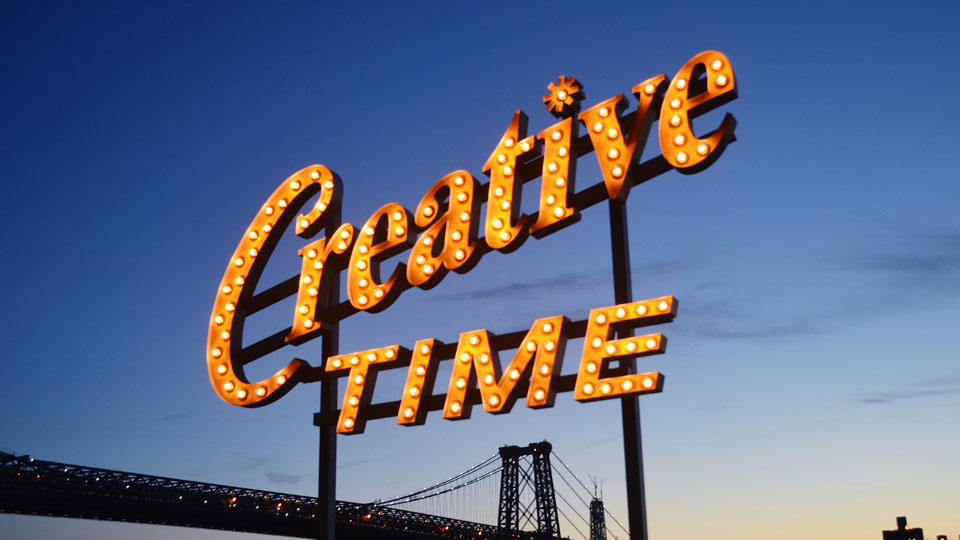 Before arriving at Creative Time, I thought public art was defined mainly by location. Art became public when it left the museum and entered a shared space. A larger audience seemed to complete that transformation. After supporting live programmes and researching five decades of projects, that definition no longer feels sufficient. I learned that a public is not simply found, it is formed.
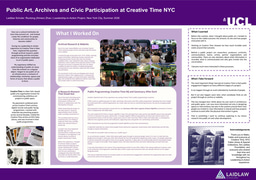
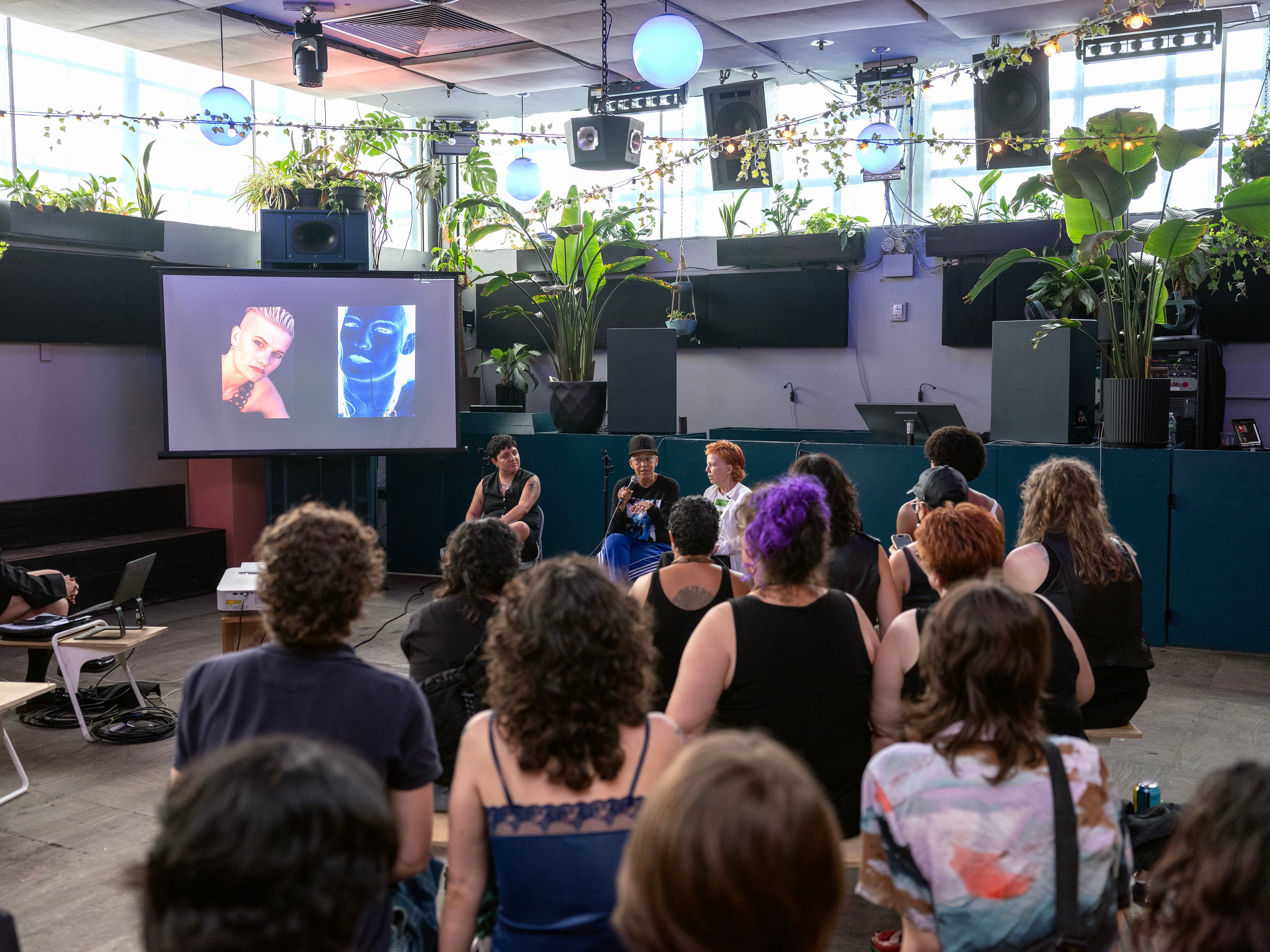
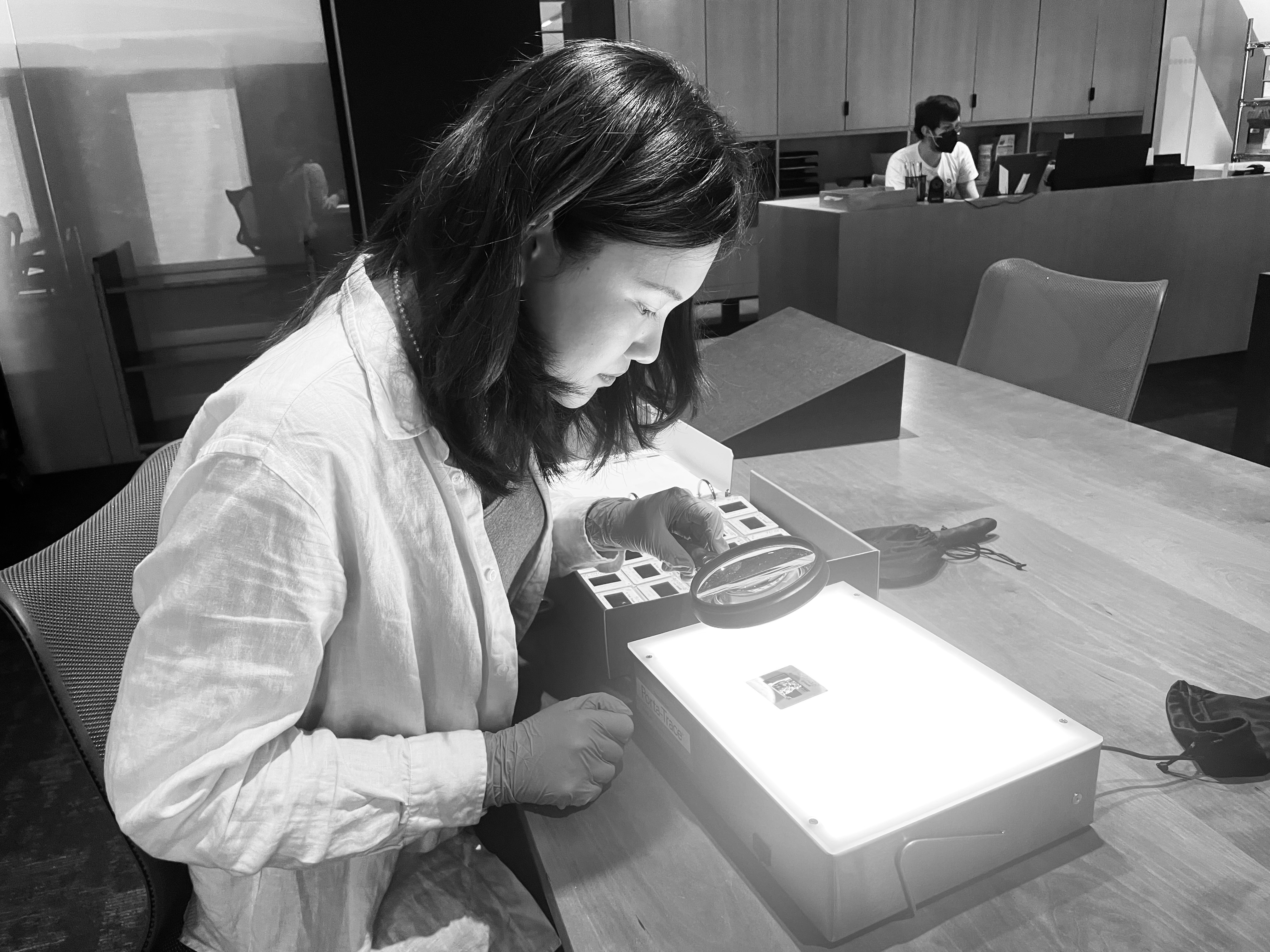
During my Leadership in Action experience, I encountered public art in two contrasting states. By supporting Sanctuary After Dark and other CTHQ programmes, I saw public art come alive through performance and conversation. I observed how each programme depended on careful preparation and responsiveness to the people entering the space. Alongside the public side of work, I digitised Creative Time materials spanning the 1970s through the 2000s and researched related records at NYU Fales. There, public art existed inside folders, waiting to be interpreted and made accessible again. Together, these experiences showed me that public art requires care both during the start and long after it ends.
Creative Time’s earliest projects shifted my perspective most strongly. Public art existed in the 1970s, but today’s socially engaged field had not yet solidified. Artists were experimenting with new relationships between creative practice and urban life. By working in overlooked sites, they reached people who might never enter traditional art institutions. Their formats also helped audiences connect the work to their own experiences. I learned that public art becomes accessible when people can see how its questions relate to their lives. The first project that established Creative Time was Crafts in Action. This project made process public by placing artistic labour within an ordinary working district. Later, Art on the Beach transformed undeveloped landfill into a place for public encounter. Rather than relying on established venues or ready-made audiences, these projects created the conditions for both. They taught me that public space becomes public through use, not simply through legal designation.
I recognised the same principle within current CTHQ programmes. CTHQ is a gathering space where art meets political life. Through Toward Sanctuary, I saw artistic practice create conversations around refuge and collective safety. Tending Sanctuary: Plants to the People connected cultural memory with healing justice. It showed me that art could operate through mediums other than “art" and shared knowledge, while also supporting mutual aid. Participants brought experiences that helped complete the work.
Working with archives gave me another way to think about public art. Many projects were temporary, so the surviving documents became my main way of understanding what happened. At Fales, I found materials that were missing from Creative Time’s own records. That made me realise how easily parts of a project can disappear. The choices made during documentation affect which artists and participants are remembered. They also shape the story that future researchers will encounter. When records are incomplete, some voices can be lost for a second time.
My first year of the Scholarship taught me to frame questions independently. The LIA required me to apply that curiosity within a team and public institution. This experience developed my leadership through Laidlaw’s 3Cs framework. Change Maker Values kept me curious and patient when digging in archives that are incomplete. Character meant acknowledging the limits of my knowledge, especially when working with histories that belonged to others. I developed my capacities by moving between focused research and collaboration. I also became more confident asking questions and explaining why small archival details mattered.
Living and working in New York also changed my understanding of a global mindset. I once thought global citizenship was about sharing successful ideas across different places. I have since learned that it begins with understanding why those ideas worked in their original context. A model cannot be copied without its histories and power relations. When applying these lessons within architecture or urban change, I must first listen. I need to ask who defines the problem and who carries its consequences. Global thinking should enlarge responsibility, not erase difference.
In future work, I will involve communities before major decisions are fixed, support shared authorship and document contributions responsibly, and measure impact beyond scale or audience numbers. A project can be widely seen yet leave little room for participation. Another can reach fewer people but alter how they understand their agency. Ethical leadership means caring about that difference.
The question I carried through this experience was simple: what makes art public? My answer has shifted. It is not only where art appears or how many people see it. Art becomes public when people feel invited to enter its questions. It becomes public when their knowledge can change the encounter. Working with everyone at Creative Time taught me that public art does more than occupy space. At its strongest, it creates the conditions for people to recognise one another and imagine change together.
At the end of this blog, I would like to sincerely thank Maiko, Yukiko, Creative Time, NYU Fales Library & Special Collections, and, of course, the Laidlaw Foundation for making this experience possible. I am also deeply grateful to everyone who generously shared their time, knowledge, and perspectives with me throughout my Leadership-in-Action experience.
👋 Hi, I’m Aimee! I study Architectural&Interdisciplinary Studies BSc at UCL and am passionate about exploring how art and design can connect creativity with research and community.
As a Laidlaw Scholar, my first year project focused on building the first digital exhibition for the Paris Summer School, combining my interests in design and storytelling with leadership in collaborative projects.