1. What Went Well?
The final week of my LiA experience passed by quickly as I transitioned from completing my final deliverables to traveling home. Although the week was filled with logistical challenges, including submitting reports while transitioning back, it was also one of the most meaningful weeks of the entire experience. This week represented the culmination of my SMART goals: not only delivering educational programming, but ensuring that the knowledge and resources created could continue benefiting the community beyond my time in India.
The most difficult and meaningful part of this week was saying goodbye to my students. Over the past month, I built relationships with students who consistently showed curiosity, excitement, and willingness to learn. Some of my favorite moments were seeing their faces light up when they understood a new concept, participated in an activity, or laughed at an analogy I explained in Gujarati. Those moments reminded me that education is not simply the transfer of information—it is the creation of connection, trust, and confidence.
My most memorable moment was on the final day of class when students surprised me by bringing their lunchboxes to show me the balanced meals they had prepared. Some brought millet rotis with lentils, while others incorporated additional sources of protein alongside traditional Gujarati foods. Each lunchbox represented an honest effort and demonstrated that the lessons had extended beyond the classroom and into their homes. Seeing students apply concepts from our health lessons was one of the strongest indicators that meaningful learning had occurred.
I was also deeply grateful when the teaching faculty shared that they had learned a great deal from the health education sessions, particularly about the physiology of chronic and noncommunicable diseases. Knowing that the lessons reached not only students but also educators was the exact ripple effect I hoped to create. Additionally, I shared all of the instructional materials I developed with the school so they can continue using them annually. This transformed the project from a one-time intervention into a sustainable resource that future students and teachers can benefit from.
2. What Could Have Been Done Differently?
Looking back on the final week, one area I would continue improving is the process of transitioning from project completion to long-term sustainability. While I was able to provide materials, recommendations, and reports, I recognize that creating systems for implementation and evaluation in the future would further strengthen the longevity of the work.
Additionally, balancing final deliverables with travel and transitioning home was challenging. With more preparation, I could have created a more structured timeline for final edits, reflections, and submission requirements earlier in the final weeks. This experience reinforced the importance of planning beyond the active phase of a project and intentionally creating space for reflection and knowledge transfer.
3. Leadership Reflection
I experienced a shift from feeling like an outsider entering the community to feeling like a contributor whose perspective was valued. This represented an important transition in my understanding of collaborative leadership. I balanced gratitude and humility while saying goodbye to students and community members had opened up their worlds to me. It became a particularly difficult goodbye because of the meaningful relationships developed throughout the project. At the same time, I learned to recognize the value of my own contributions without diminishing the expertise and efforts of those who continue this work every day.
One of the most significant personal growth moments was realizing that I was no longer viewing myself simply as a passing volunteer working under the Sevaks. Through my village visits and recommendations, I felt like a peer and collaborator. Having my observations valued, particularly regarding opportunities to uplift women's voices within the villages, strengthened my confidence as aleader.
This week required strong people, process, and performance capacities. People capacity was central as I reflected on relationships built with students, teachers, Sevaks, and community members. The trust established throughout the project allowed me to have meaningful conversations and contribute recommendations from a place of partnership. Ensuring my work was organized into sustainable deliverables, including lesson plans, reports, and recommendations demonstrated my process capacity. I am proud of successfully completing the project goals and translating my experiences into actionable insights that can support future programming.
4. Ethical Engagement
This final week reinforced that ethical engagement requires leaving communities with more than temporary assistance. The greatest responsibility in community-based work is ensuring that contributions are sustainable, respectful, and responsive to local needs. By sharing my educational materials with the school and providing recommendations to the Sevak organization, I hoped to create resources that could continue serving students and communities after my departure.
My role throughout this experience evolved from educator to facilitator and advocate. I was able to contribute health education while also learning from students, teachers, patients, and community members. In particular, my village visits highlighted the importance of ensuring women's perspectives are included in conversations about health and community development. Supporting these voices was not about speaking on behalf of communities, but about recognizing and strengthening opportunities for individuals to participate in shaping their own futures.
The most meaningful impact of this experience was not simply the information I delivered, but the confidence and curiosity that I hope I helped foster. Health knowledge should not be limited by cultural misconceptions or lack of access, and I hope the foundation created through this project continues to grow.
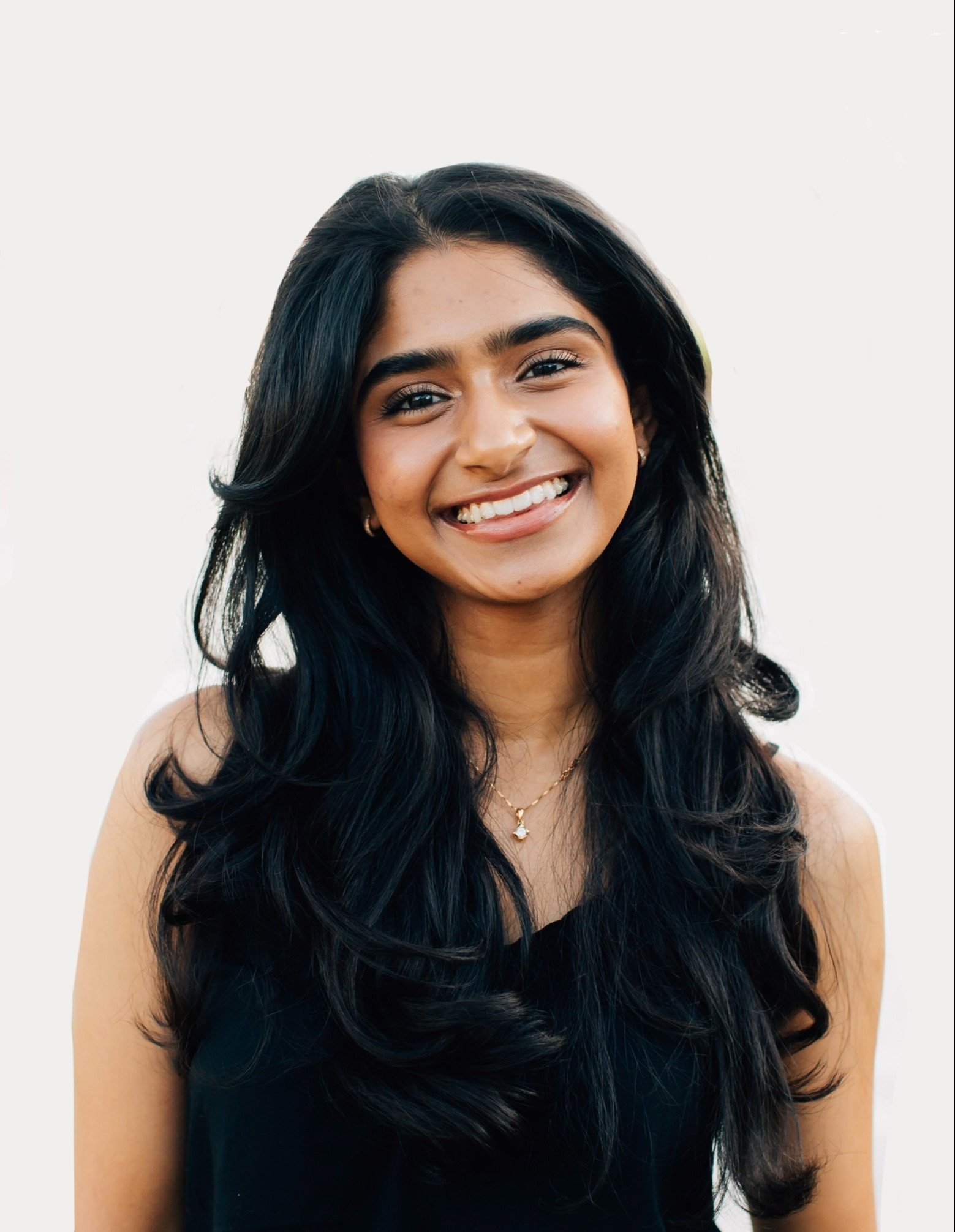
Hello everyone! My name is Dhruvi, and I am a rising junior studying Healthcare Management and Policy at Georgetown. My research for this summer focuses on understanding the biochemical effects of short-chain forever pollutants in living organisms to contribute to our understand their health effects in humans.
