Leadership in Action: Volunteering with Japan Cat Network
Introduction
While most university students packed their bags to go home for the summer, I packed mine for the airport, catching a flight to Osaka, Japan, to begin my LiA with the Japan Cat Network (JCN).
JCN, founded in 2000, is a non-profit animal rescue group that focuses on rescuing and rehoming stray or abandoned cats, managing trap-neuter-return (TNR) programs, no-kill shelters, and adoptions. They work as an international organisation that helps locals, foreign residents, and tourists find positive outcomes for animals – most shelters in Japan are animal control centres, where very few cats ever leave. At the heart of their endeavours lies the belief that every cat and kitten truly deserves a safe, warm, and loving home.
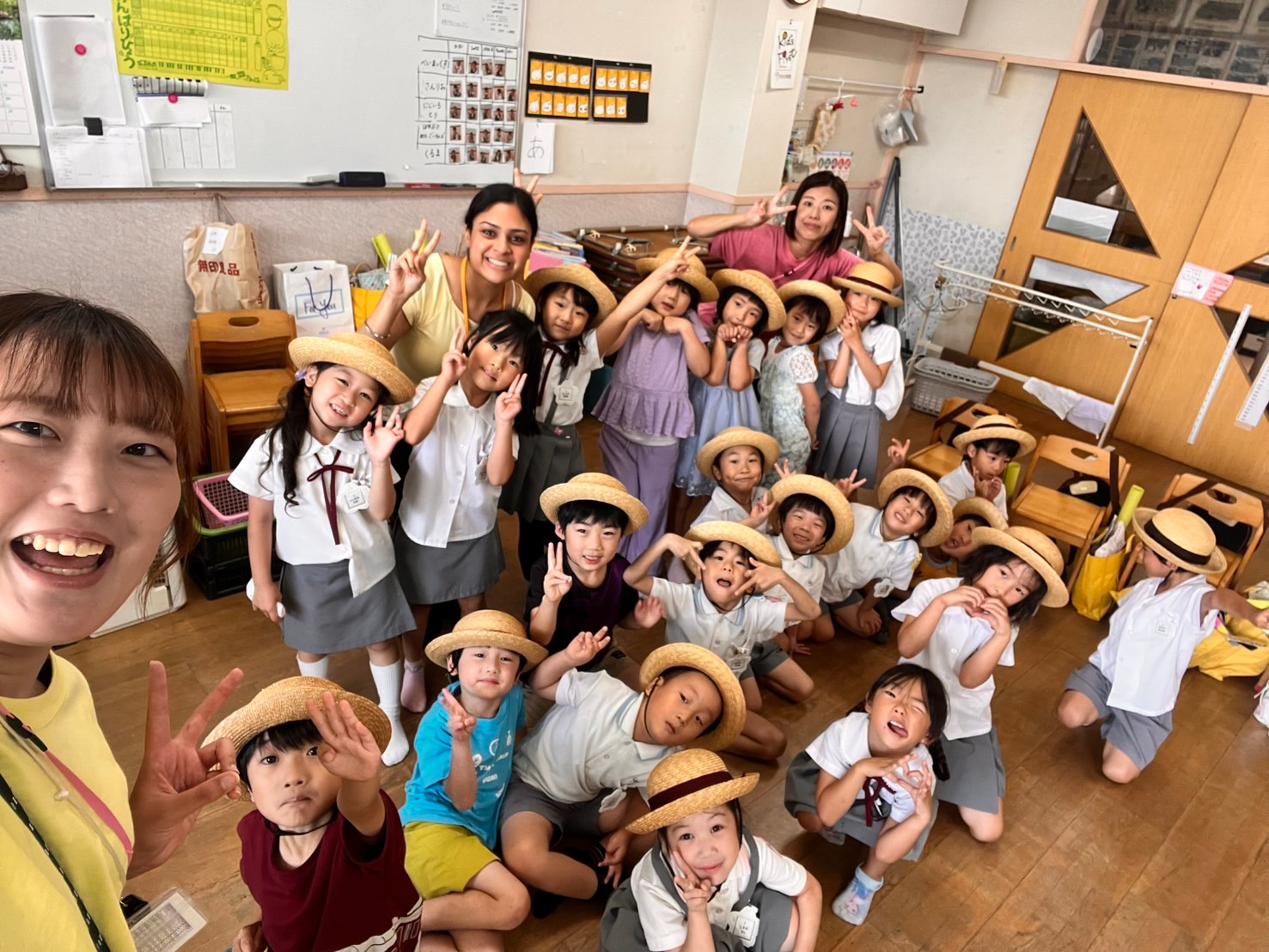
The Laidlaw LiA Programme is an initiative to encourage students to make meaningful impact by collaborating with an NGO in an unfamiliar environment. I chose to volunteer with JCN following a university module in veterinary pharmacy, which inspired me to pursue animal welfare for my LiA. I mainly participated in their school programme that focused on engaging with children and aiding teachers in a local kindergarten and nursery; I worked with the cats on days where the schools were closed due to national holidays.
The Beginning
I wasn’t nervous before I went to Japan. I had ticked off all the necessary tasks on my to-do list in preparation to leave, like learning the basics of the language so I could “get by”, signing up on Visit Japan Web, and reading the guidebook on the School Program I was emailed by JCN. I’d done plenty of travelling this year too so getting through check-in and security was a breeze! I was ready.


Until I landed.
It had hit me that I was alone. Completely and utterly alone. All the preparation I had done flew out of my head and I became an awkward mess. Thankfully, the queue at passport control was long, which gave me all the time I needed to collect my thoughts, tell myself I can do this, and (most importantly) text my family that I landed safely.
Before you knew it, I was on the bus heading towards Kyoto.
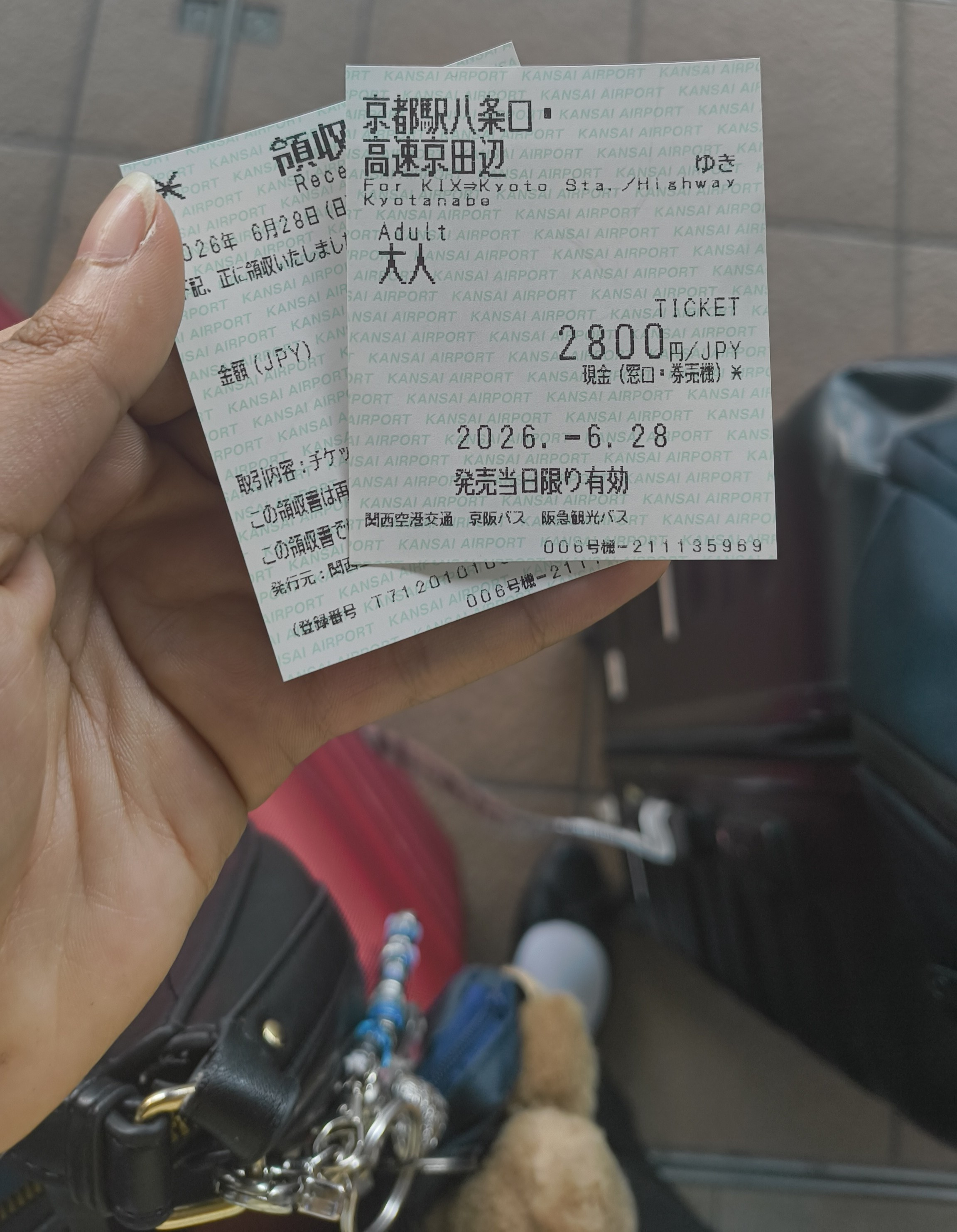
JCN provides a Machiya (a traditional wooden townhouse) for their volunteers and a pdf guidebook of the school programme to help volunteers navigate the daily schedule at both the Kindergarten and Nursery. I had a general idea of what I was slowly making my way towards, but no particular expectations or clear specifics.
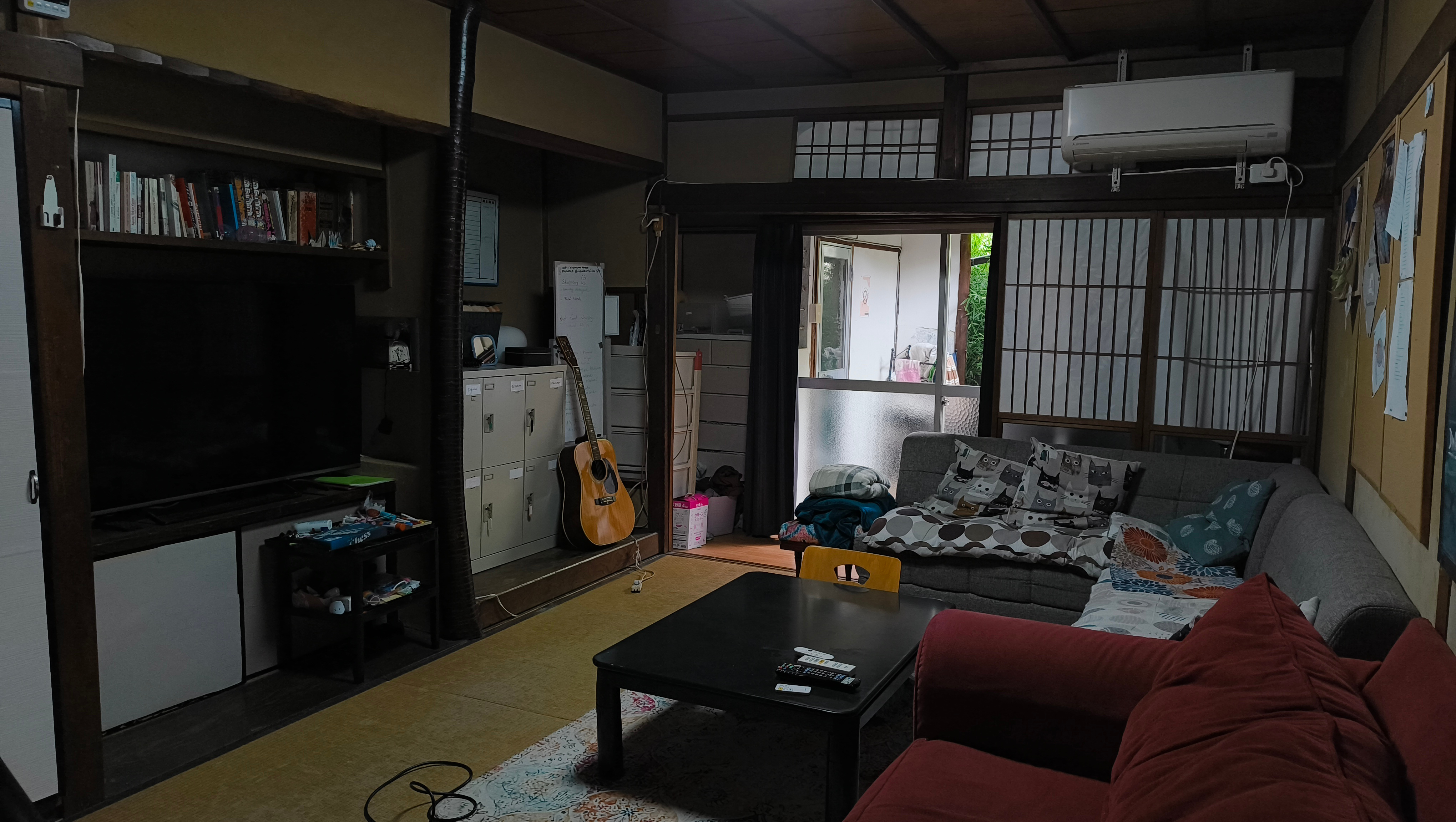
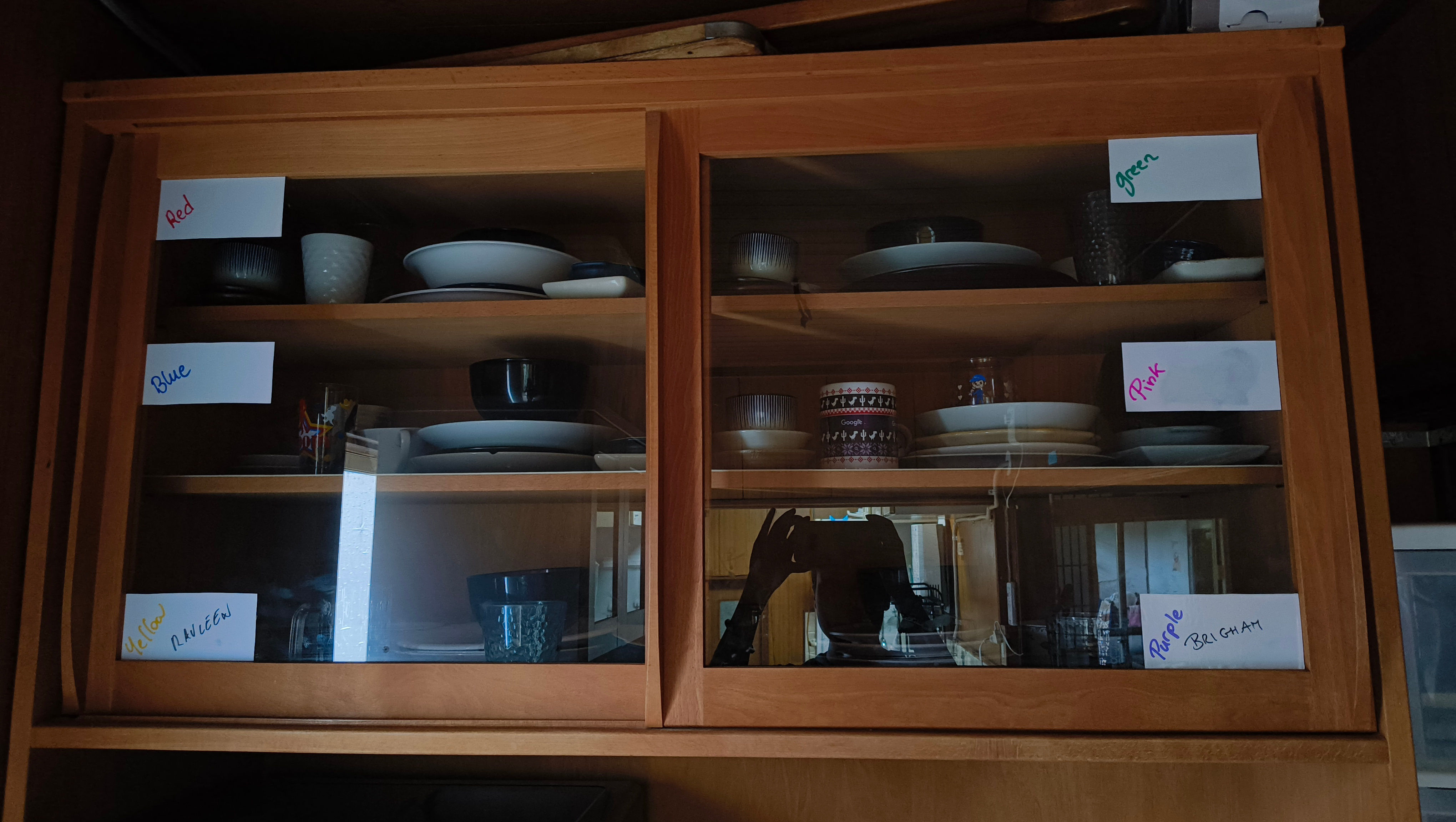
The Machiya very quickly became home and had everything I needed inside it. Pots, pans, umbrellas, and cats!
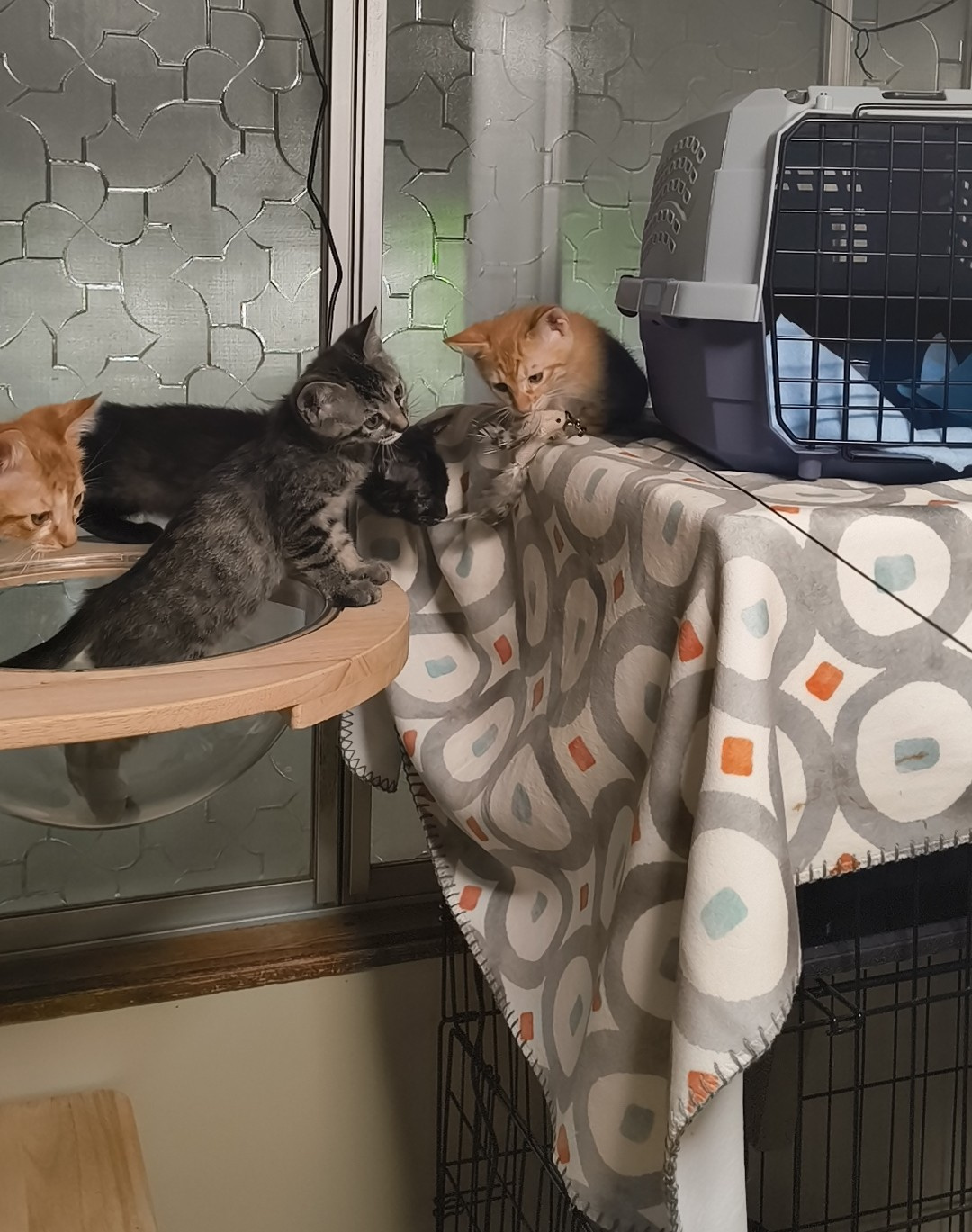
Some of the cats JCN rescue temporarily live inside the volunteer house until a more permanent home is found. A member of JCN's team (staff member or volunteer) visits the volunteer house 3 times a day to take care of the cats - this includes feeding them, cleaning their cages, and more.
My Role in the School Programme
Before departure, my goals were to step outside my comfort zone, to learn what it actually
takes to teach well, and to use my STEM education to open opportunities for people with less
access to it than I have had. Measured against these, I can say the experience delivered more
than I expected, though not always in the way I planned. I underestimated, for instance, how
difficult CAD is for a total beginner, and had to redesign my teaching approach midprogramme once I saw interns struggling with concepts I'd assumed were intuitive. That
adjustment (building tiered activities using resources like the Onshape Learning Center so
that more advanced interns could progress while others caught up) became one of the clearest
markers of growth for me. It reframed "teaching well" from delivering a fixed curriculum to
reading a room and adapting in real time, which is a more realistic version of the goal I set
out with.
- The schools – kindergarten and nursery -> schedules, how each worked, etc
- Ages of the children and working with each age
- My typical day/week
- Tasks I was responsible for, activities I did, how I interacted with students, helping with English or activities or games or conversations
- Who was I working with (teachers)
- Any specific projects or activities you helped with
- Working with the cats -> weighing them and recording that in a book, cleaning cages and litter box with disinfectant and bleach, playing with them and recording for content
- Anything challenging or unexpected
What I learned
Going in, I hoped to give the interns genuine ownership and passion over technical skills. It
was not just a summer activity, but something that showed in how proud they were of the
prototypes they built. Because I grew up in Paris and now live in Lausanne, Boston itself
didn't produce major culture shock, but the internship did surface real differences I hadn't
anticipated: gaps in prior exposure to technology, different paces of learning, and different
comfort levels with failure, which is central to prototyping. Sitting with interns who were
frustrated by a failed print or a CAD error too many times taught me a lot about patience.
The clearest ethical tension I faced was around the 3D printing queue during the prototype
phase. With limited printer time and every intern wanting their design finished, I had to
decide how to allocate a scarce resource fairly as a first-come-first-served penalised interns
who'd spent longer refining their designs, while prioritising "readiness" risked looking like
favouritism. I ended up using a transparent allocation system and explaining the reasoning to
the group.
More than anything, this experience sharpened my sense of the privilege embedded in having
a STEM education at all. Teaching also made me newly aware of my own assumptions about
what counts as "basic" knowledge, assumptions that come directly from where and how I was
educated. That awareness is close to what I'd now call cultural humility: recognising that my
expertise was useful here, but that it did not make me the smartest person in the room, and
that real teaching meant continually checking those assumptions against what my interns
actually needed. From the first day the first thing I told the interns was that I did not want to
be their teacher, and I had a just as much to learn from them as they did from me, a message
that stuck with me until the very end of the programme.
- Comparing working with kids in the uk vs japan
- What I learnt about the japanese pre school system
- Learning about japanese culture and the language
- What I learned from interacting with children
- Anything I learned about working with cats
- Communication skills, adapting communication
- Taking initiative
- Teamwork
- Adapting to unfamiliar situations
- Working across cultural/language differences
- Independence and confidence
- How I built rapport
- How kids interacted with me
Leadership Development
My project didn't happen in a vacuum. TSN exists because of a real, structural gap: many
Boston schools and families often lack access to the technology education that others take for
granted, and TSN's funding (a mix of partnerships, including with Tufts University) shapes
what it can offer and to whom. The six-week structure of the programme was itself a resource
constraint: enough time to teach fundamentals and prototype something real, but not enough
to follow up on what interns did with those skills afterward, which limits how much systemic
change a single summer can produce. I was also conscious of the power dynamic inherent in
a Laidlaw Scholar arriving from a well-resourced European university to teach in the Boston
community for six weeks. It means the most sustainable value I could add wasn't the six
weeks of direct teaching, but modelling an accessible, patient way into a field that sparked
passion that I hope the interns will hold on to for a long time.
- How did I develop leadership even if I wasn’t formally “leading” people -> adapting, being responsive, taking initiative
- Did I solve any problems
- What did the experience teach you about the type of leader you want to be? -> Leadership can be shown through initiative, responsibility, communication and adaptability.
Overcoming Challenges
- Taking initiative was sometimes bad
- Its ok to not do anything
- What I would do differently next time
- Just being open
Impact
- Cultural assimilation -> giving children an opportunity to interact with someone from another country
- Impact on JCN
- Impact on people/ kids -> Learning, communication (I think I learnt more from them than they learnt from me)
- Impact on cats
- Personal impact: change my skills confiednece interests and perspective
Connecting the Experience to pharmacy
- Transferable skills
- Caring for animals made me think of healthcare from a different perspective
- Communication with children and how this relates to communicating with patients -> paediatrics (relate back to first year laidlaw research at GOSH)
- Lots of adapting communication to a variety of different people
- Paediatrics -> thinking about future career
- Pharmacy standards
- Sgds -> 4 quality education, 16 peace justice and strong institutions, 17 partnerships for the goals
Conclusion / Looking Forwards
- Biggest takeaways
- Changed what I believe and what I want to do in the future
- How will I use what I learned at uni, in pharmacy, or in any future work/volunteering (transferable skills)
I learnt more from the kids than they learnt from me
- One kid correcting me on lots of things
- Reminded me of being carefree in a time of so much stress
When I embarked on this journey, I expected to be the one imparting knowledge but in hindsight, after engaging with these little minds and exploring Japan, I left the country feeling like I was taught more lessons than I gave. I left Japan with many lessons learnt and a lot of memories to look fondly back on.
When I first landed... when leaving...
My LiA gave me the invaluable gift of discovering the fascinating culture, history, and nature of Japan. I remember being profoundly moved by… and losing track of time at…
I was grateful to have had dinner with other Laidlaw Scholars! ->
Thank you to JCN
Thank you to Yoshimura

Hello! :) I'm Ravleen, a 2nd year Pharmacy student at UCL.
In the last year, I was introduced to pharmaceutics: a scientific basis for the formulation and manufacture of safe and effective medicines.
Even the most effective medicine doesn't work if the patient refuses to take it. A study found that 79% of children stated that the taste of medicine made them unwilling to take it. Moreover, children are commonly unable to swallow neutral tasting pills, which makes dosing them a challenge.
For my research project, I explored the development of child-friendly, palatable formulations called orodispersible films using a method called electrospinning. This involved hands-on laboratory work to develop prototype formulations at the UCL School of Pharmacy and interviews with paediatric, oncology patients at Great Ormand Street Hospital to improve the treatment of chemotherapy-induced nausea & vomiting.
Feel free to reach out!