Leadership Development Training Reflection
Over the past few days I have had the opportunity to work through materials from a two-day leadership training held at Durham University on the 23rd and 24th March. Although I was unable to attend in person, engaging with the provided resources has enabled me to reflect on my leadership style and how I can continue to develop moving forwards. The training was hosted by Graeme Taylor, with sessions delivered by Durham University academics Dr Nikki Rutter and Dr Bruce Malamud. A key theme throughout was the importance of grounding leadership in personal values and self-awareness.
A central aspect has been reflecting on my core values and considering how they have shaped my decisions, both within my experiences on the scholarship so far and in my wider day-to-day life. I found this particularly useful in recognising how I can use my internal character as a driving force, and in reframing leadership as something active and visible rather than purely internal. My LiA will build on this by providing an immersive opportunity to intentionally act on these values, allowing me to lead with integrity and ensure that my actions are reflective of this.
Dr Nikki Rutter’s session on “Voluntourism vs. Volunteering” was especially relevant to my LiA project, given the prevalence of voluntourism within the conservation field. It encouraged me to think critically about the role I will play within a community-led conservation organisation, not only in understanding the nature of my involvement, but also recognising the inherent privilege of participating in this opportunity. It reinforced the importance of ensuring that my work contributes to long-term, sustainable outcomes rather than being extractive. Engaging with this material has helped me consider practical ways to remain aware of my responsibilities and to approach my LiA in a way that is community-led, ethically grounded, and responsive to local knowledge and needs.
Dr Bruce Malamud’s session on “Communicating Resilience to Hazards” provided valuable insight into the importance of effective and inclusive communication. The focus on strategies such as ‘visualisation’ and ‘serious games’ highlighted how complex information can be made accessible to diverse audiences. As I anticipate language barriers to be a potential challenge during my project in Costa Rica, this session helped me to better understand how I can adapt my communication style and remain sensitive to cross-cultural differences. A key takeaway for me was the importance of balancing clarity with complexity, ensuring information is understandable without risking oversimplification or misinterpretation.
Overall, this training has reinforced the importance of continuous self-awareness, reflection and a willingness to recognise limitations, respond to challenges, and adapt. In thinking about how to ground my LiA in my character, capabilities, and values as a Laidlaw Scholar, I feel in a stronger position to approach my project this summer.
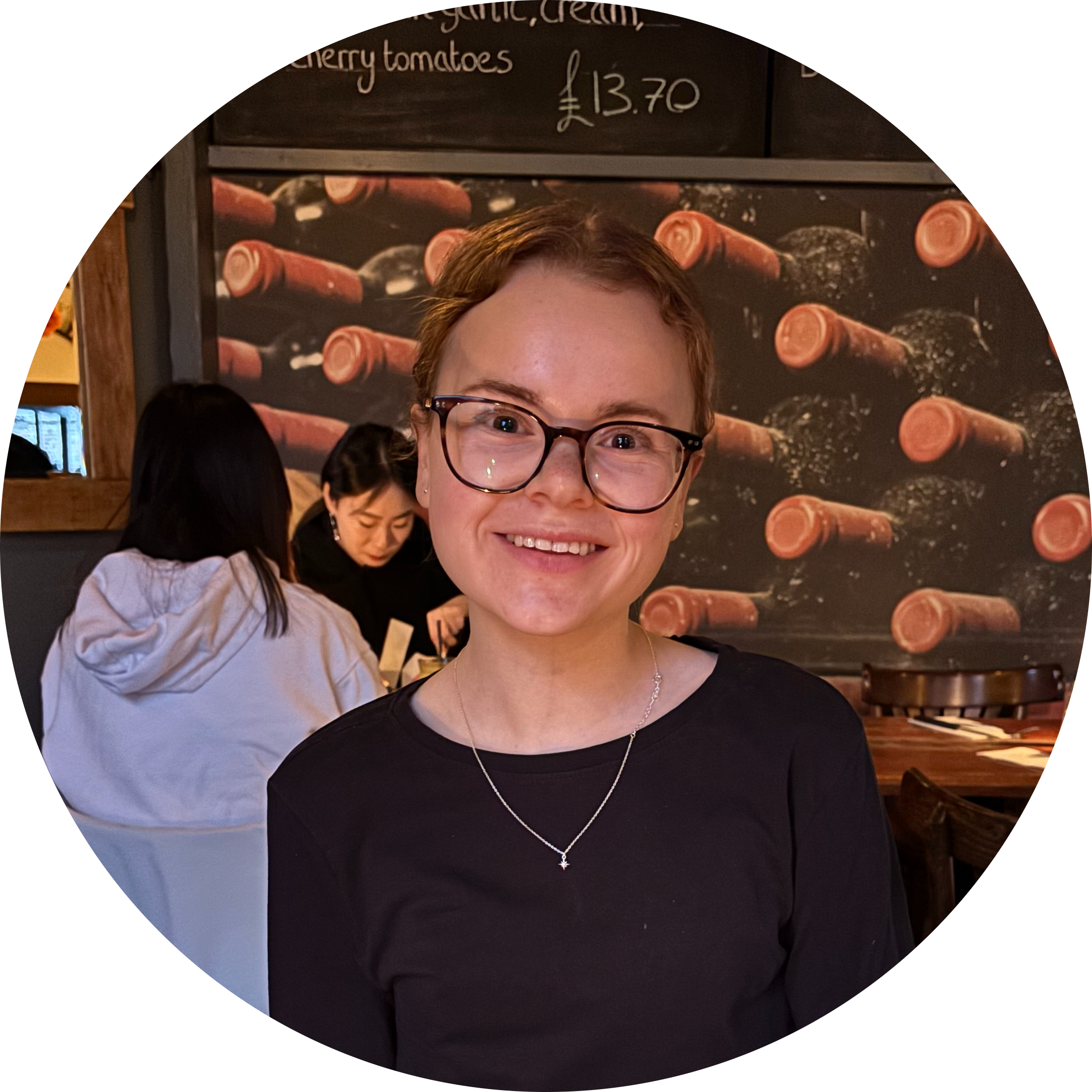
Hi, my name is Sophie! I'm a second year Bsc Geography undergraduate at Durham University. My research project this summer is a pilot study investigating the effect of e-cigarette and cigarette exposure on prenatal development, focussing on upper facial movement. I hope to obtain an understanding of the potential implications to healthcare policymaking regarding maternal use of cigarettes and e-cigarettes. I am driven to take action to improve the lives of others, and therefore motivated to understand the impact of maternal actions on the lives of the younger generations and actions that can prevent negative impacts.
I really enjoy spending time outdoors, either walking or running. I also love to travel and explore new places! My favourite way to spend time with friends is to visit a café and have a good catch up over a coffee!
Please sign in
If you are a registered user on Laidlaw Scholars Network, please sign in