Leadership In Action Reflection
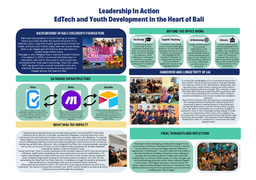
Beyond the technical work I did with BCF, my time in Bali gave me a much clearer view of the inequality that exists just beneath the island's tourist-friendly surface. Walking through the crowded streets of Denpasar, far from the beach clubs and resort strips most visitors see, it became obvious that government investment overwhelmingly favors tourism development rather than the everyday needs of local residents. Roads, infrastructure, and funding seemed to consistently flow toward whatever benefits visitors, while the communities living there were often left to make do with far less, or forced to succumb to working in the tourism business anyways. It's one thing to read about this kind of disparity, and another to see it laid out so plainly in a single city. Once I started paying attention to it, I couldn't unsee it, and it reframed how I thought about Bali for the rest of my time there, not as a tourist destination, but as a place with real, structural inequality that tourism funding rarely reaches.
Working in the BCF office also taught me a lot about workplace dynamics that I hadn't fully appreciated before. Coming in, I assumed the technical output: the dashboards, the pipelines, the systems, would matter most. But I quickly learned that small, consistent habits carry just as much weight in a workplace: showing up early, offering a colleague a coffee, basic manners, staying professional even through the slower, more mundane stretches of office work. These things helped me build genuine rapport over time in a way that technical skill alone doesn't, and I think that lesson matters far beyond this one internship, which will be something I'll carry into every future workplace and team I'm part of.
I also became more intentional about saying yes to opportunities and making the most of my time there, rather than sticking to the narrow scope of my role. That meant traveling to meet the communities BCF works with across different parts of Bali, mentoring university-bound students on how to prepare for the transition ahead of them, and staying curious about the people and stories around me instead of just focusing on my own assignments. Some of the most meaningful moments of the entire experience came from those extra steps, visiting the deaf school, delivering an English class in North Bali, talking with teachers and students who were more underprivileged compared to myself but gave everything they could regardless.
Ultimately, this experience did more to shape my career direction than I expected going in. It clarified that I want to keep building the kind of skills and systems that can help underprivileged communities, not just in Bali. It gave me a real, grounded sense of how to actually go about doing that, rather than just an abstract desire to "help people" from a distance.
Laidlaw Research and Leadership Scholarship Cumulative Reflection
When I first applied for the Laidlaw Scholarship, I saw it mainly as an academic opportunity. I was focused on the research project I would be doing that first summer, thinking about how it would look on my CV and what it could do for my future career. I genuinely had no idea how much more the scholarship would end up giving me, both personally and professionally, particularly when it came to character and leadership capacity, which I had never really thought about as things you could deliberately develop rather than just qualities you either had or didn't.
It began with the trip to Windsor Castle, where we spent several days working through a series of leadership activities as a cohort. I did not expect a leadership retreat to turn into something so personal, but somewhere in those few days I found myself reflecting deeply on my goals, my values, and my family in a way I had genuinely never done before. Speaking openly with other scholars, many of whom I had only just met, about things I do not normally talk about with anyone, opened something up in me. It pushed me to sit with questions about my purpose and where I actually stood in the world, rather than continuing to avoid them the way I usually did. I do not think I came back from that trip quite the same person I was when I left.
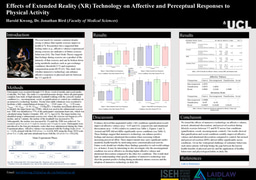
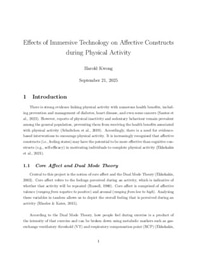
The summer research internship that followed was just as formative, though in a very different way. I built a genuine rapport with my Laidlaw supervisor early on, and I found that I really enjoyed working on an academic research project, something I had never properly attempted before. Beyond the science itself, I learned all the practical groundwork that goes into research before you even collect a single data point: navigating ethics approval, handling participant information and consent properly, and managing participant recruitment. Once the data was collected, I taught myself to code in R so I could actually analyze it myself rather than relying on someone else. Beyond the technical side, I also built real friendships within the office that summer, connections I have kept well beyond the internship itself, and I still meet up for coffee with some of them today.
My relationship with my supervisor grew even further from there. We traveled together to a sports psychology conference in Hong Kong in December 2025, where I also had the chance to meet his former supervisors and academic collaborators. I ended up showing them around the city, which helped deepen those relationships well beyond a single conference handshake. Almost a year on from what we jokingly still call our research summer, we are still working together. That original project has since evolved into my final year dissertation, which says a lot about how much that early collaboration was worth.
Alongside the research, the scholarship also built in three separate leadership sessions over the course of the year. These brought in outside speakers, including entrepreneurs and other leaders, who shared their own personal views on leadership and what it had actually taken for them to succeed in their respective fields. Hearing such different perspectives on leadership, some drawn from business, others from entirely different sectors, helped me start piecing together my own understanding of what kind of leader I wanted to be, and how character and leadership capacity could actually apply to my own life rather than just existing as a slide in a workshop.
Then in October 2025, the Laidlaw conference brought together scholars from across the UK and from countries well beyond it. It was a genuinely amazing experience meeting people doing such varied research and leadership work in completely different parts of the world. We shared our own research projects with each other, which was a great way to see the sheer range of what fellow Laidlaw scholars were working on, and sat in on speaker sessions that offered real, hard-earned advice from people with far more experience than us. Even the gala dinner, where we were seated at tables mixed with people we had not necessarily met yet, turned into an evening of genuine conversation rather than small talk. I came away from that conference with friendships I expect to carry for a long time, and with a much stronger sense of what a genuinely global mindset actually feels like in practice, not just as a concept, but as a way of listening to people whose context is completely different from my own.
From November through April, we also took part in monthly character sessions led by Dr. Cory Crossan. Each session focused on a different character strength, things like humanity, transcendence, and honesty, and we would break into small groups with scholars from all over the world to talk through how these values had shown up, or sometimes failed to show up, in our own lives. We discussed which of these traits felt like natural strengths and which felt more like ongoing weaknesses we were still working on. Those sessions gave me a vocabulary for self-reflection that I did not really have before, and more importantly, they built a habit of turning that reflection inward that has stayed with me well beyond the scholarship itself. It was through these sessions especially that I started to understand leadership capacity as something inseparable from character. You cannot lead effectively in changing or difficult situations if you have not first done the work of understanding your own values and where they come from
Worldview + Vision into the future
Looking forward, one of the most valuable parts of the Laidlaw experience is something that does not end when the scholarship itself does: the alumni network. Laidlaw has built a genuinely integrated community of scholars who stay connected long after their cohort year, whether through organized events, online spaces, or simply reaching out to someone directly. I see real value in staying part of that network going forward, not just to reconnect with fellow scholars about how our individual leadership projects turned out, but as a resource for future career conversations, collaboration, and honestly, just to keep in touch with people I genuinely enjoyed getting to know. It feels less like a scholarship alumni list and more like an ongoing community I want to stay part of.
I am now heading into my final year of university with my life fully in my hands ahead of me. Looking back, so much has changed in just the past two years. I have learned more about myself, my relationships, my values, and my sense of direction than I think I had in all the years before it. That amount of change is daunting to sit with, especially not knowing exactly what comes next or how much further things might shift. But if there is one thing Laidlaw has taught me above everything else, it is how to lead myself first, before trying to lead anyone or anything else. I have learned to prioritize my own growth and wellbeing rather than constantly deferring to what I think I am supposed to do, and to trust my own judgment when making decisions, even difficult ones. I have also learned to keep moving forward regardless of the setbacks I will inevitably face, because time only ever moves in one direction, and there is little use getting stuck looking backward.
That idea reminds me of a question I heard a while ago: if you had to choose between keeping all your memories but never making new ones, or forgetting everything from your past in exchange for the ability to keep making new memories, which would you choose? My instinct went immediately to the latter, and sitting with that answer taught me something important about how I want to live. At the end of the day, looking forward is really all any of us can do. The past has value as a foundation, but it cannot be where we choose to stay.
I know I will face plenty of challenges ahead, some good and some genuinely difficult, but I intend to treat every one of them as a lesson rather than a setback, and to keep approaching my own journey, and whatever leadership opportunities come with it, with that same mindset.