Laidlaw Poster Presentation
Preview
As part of The Future of Bioethics research project, which examines how federal disinvestment since January 2025 is reshaping the US bioethics field across research, training, clinical practice, governance, and policy engagement, this subset investigation specifically looks into the National Science Foundation, which has historically supported a distinct strand of ethics and social inquiry, but is now at risk due to federal disinvestment. Administrative demands have mostly targeted projects related to DEI, climate change, and certain social studies; presumptively, bioethics were not a point of focus for these terminations, but with the recent archival of NSF programs such as the Ethical and Responsible Research program and the Law and Social Sciences Program, and the defunding of projects within the Science, Technology, and Society Program, there is a large gap in knowledge regarding the impact of federal NSF disinvestment on bioethics in the United States. Since news media is mostly limited to the NIH and university primary investigators have kept fairly quiet regarding the termination of their specific grants, structured profile documenting for affected NSF programs is necessary to ensure that these terminated projects are not forgotten, and instead, their loss is accounted for within the scope of bioethics. Apart from the analysis of terminated grants, this investigation will also provide a longitudinal analysis that looks into projects funded prior to January 2025 and the projects and programs that have been federally funded following initial termination. Overall, through this longitudinal analysis, the 2025 disruptions to NSF’s ELSI portfolio have been brought to light.
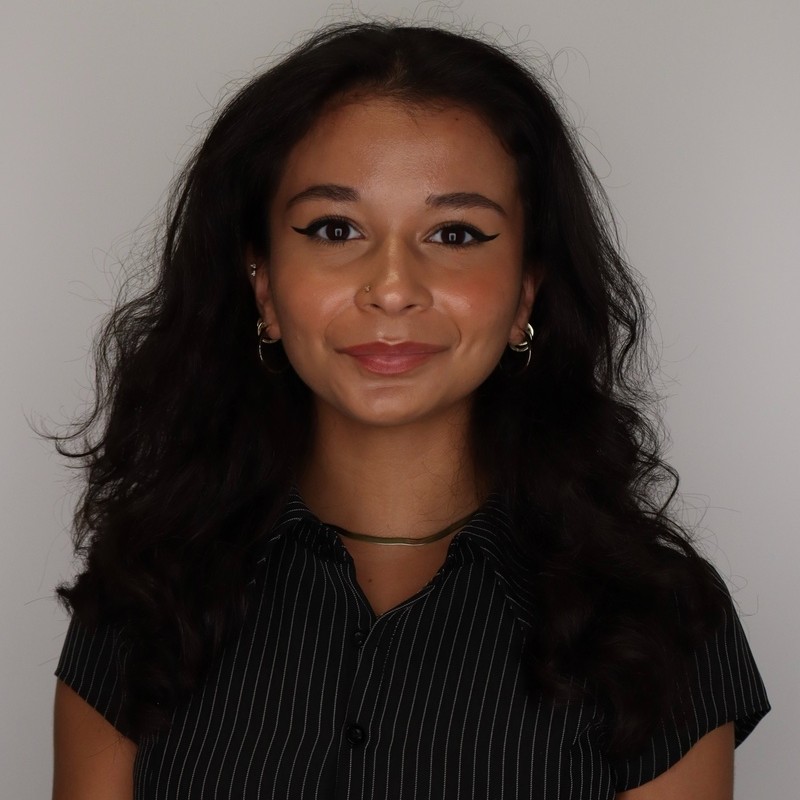
Hi! My name is Izzy and I am a rising sophomore at Columbia University studying Neuroscience and Behavior on a pre-medical track, aspiring to become an emergency room physician or trauma surgeon in the future. Within the last year, I earned my EMT certification and have been involved in various clubs and volunteer activities on and off campus, but am definitely looking for more ways to help the community! I am very excited to be a part of the Laidlaw program and spend the summer in New York. Out of school, I love playing soccer, listening to music, and trying new foods/drinks around the city :) Please reach out if you have any interest/advice for my research this summer or if you just want to make a new friend!