Examining the level of Education for Sustainable Development (ESD) in the native language learning environments of Ireland and India. Creating an educational toolkit to enhance ESD:
Preview
The concept of Education for Sustainable Development (ESD) was introduced by UNESCO. Through the lens of ESD, education can be seen as the “key to unlocking progress in all the global development goals”. Thus, in order to create a more sustainable global environment and make every effort to achieve the 2030 UN Sustainable Development Goals, education must be enhanced and utilised, particularly education of the youngest members of society, who shall face the most extreme consequences if action is not taken immediately. It is therefore imperative that ESD is accessible to all, particularly young learners. This research primarily examines the levels of ESD learning in Ireland. Based on this research a toolkit is being developed, which utilises pedagogical approaches towards teaching children in their mother tongue. The composition of the toolkit will allow it to be effectively adapted and utilised worldwide, enabling our youngest generation to strive for a more sustainable world in a manner accessible to them.
Examining regions of the world, where children are frequently educated through a language different from their native tongue, the Irish Gaeltacht and the Bengal region of India, where children are predominantly educated through the English language, were considered. Neither Gaeilge (Irish) nor Bengali are official UN languages, and do not receive formal dissemination of educational material. Evidence from UNESCO and others, indicates that learning through a native language significantly increases appreciation of the topic. The Sustainability Directory offers research which highlights that “Indigenous languages often contain unique knowledge about local ecosystems and sustainable practices.”
Based on the research completed, the next stage will allow examination of the toolkit and its efficacy in native speaking regions, the Bengal Region and Gaeltacht, during the summer of 2027. The culmination of this research, toolkit development and in-field application is to create a tested adaptable educational toolkit suitable for worldwide implementation.
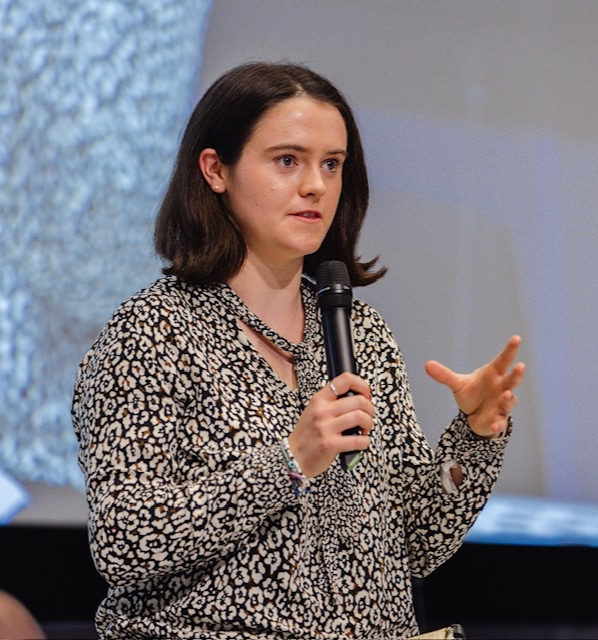
Hello, My name is Anabel O’Hora, I am a Junior Sophister in European Studies at Trinity College Dublin, currently studying at SciencesPo, The Institut d’études politiques de Strasbourg.
My Summer One research was concerned with examining the level of Education for Sustainable Development (ESD) in the native language learning environments of Ireland and India. It was discovered that learning through native languages greatly enhances educational outcomes. Following further research the necessity of creating an ESD toolkit and making it accessible to all those making up our youngest generation was clear. It is hoped that this project may, in a small way, identify a void in the efforts being made to meet the Sustainable Development Goals (SDGs) and attempt to fill this space, with education, optimism and a more sustainable future.
The toolkit shall continue to be developed in the coming year. The toolkit shall first be put in practice in an Irish language learning environment. Following this and potential modifications. It will hopefully be put into practice in the Benegal region of India. Neither Gaeilge (Irish) nor Bengali are official UN languages, and do not receive formal dissemination of educational material. Putting the toolkit into practice in both of these differing learning environments, will pave the way for final examination of the toolkit and its efficacy in native speaking regions. The culmination of this research, toolkit development and in-field application is to create a tested adaptable educational toolkit suitable for worldwide implementation.
I am passionate about sustainability, having been a member of the National Youth Assembly of Ireland and the Children and Young People’s Assembly on Biodiversity Loss, amongst other advocacy groups. I also am an avid member of many choirs, dramatic societies and a committed member of my university rowing team, Dublin University Ladies Boat Club, just a few of the many parts which make up my life. I would love to connect with fellow scholars and alumni. If you would like to discuss research, sustainable development or the future, please get in touch!